Hand Planes Compared for Smoothing, Jointing and Trim Work
Stanley’s 12-137 Sweetheart No. 62 low angle jack plane leads this comparison, thanks to its adjustable mouth and bevel up versatility. The 12-404 Bailey No. 4 delivers the best value as a classic smoothing plane. Beginners on a budget should start with the 12-220 block plane for trimming and chamfer work.
Most woodworkers reach for three planes: a low angle jack, a number four smoother and a block plane. The Stanley Sweetheart No. 62 covers the widest range of tasks because swapping the blade bevel changes its cutting geometry. Pair it with the 12-404 smoother and the 12-220 block plane and you can flatten, smooth and trim almost anything by hand.
Shopping for a hand plane is confusing because prices span rough castings that need hours of tuning and premium tools that cut well from the box. Bed angle, blade thickness and sole flatness matter more than brand reputation. We compared published specifications, bed angles and adjuster designs across seven models, then weighed what long term owners report about chatter, tuning time and how well each plane holds a setting.
What we recommend
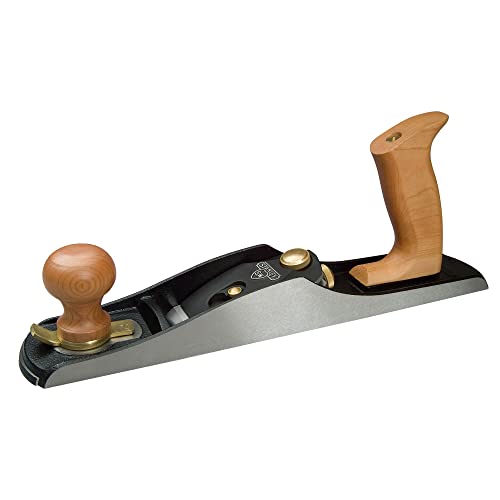
Stanley 12-137 Sweetheart No. 62 Low Angle Jack Plane
Swapping the blade’s bevel angle turns this bevel up jack from a low angle shooter into a high angle smoother. An adjustable mouth closes down for tearout prone figured wood or opens for heavy stock removal. Owners report the sole and blade need less initial flattening than the price might suggest.
Pros
- Covers smoothing, jointing and end grain work in one tool
- Adjustable mouth tames tearout in figured wood
- Thick A2 steel blade resists chatter
Cons
- Bevel up geometry demands careful sharpening angles
- Costs more than a basic bench plane

Stanley 12-404 Bailey No. 4 Smoothing Plane
Generations of woodworkers learned on this Bailey pattern number four, sized to smooth boards and small panels in one hand span. It arrives needing real setup: sole flattening, blade honing and frog adjustment. Once tuned, the depth wheel and lateral lever hold a fine shaving setting reliably.
Pros
- Cheapest sensible entry point into bench planing
- Classic pattern with wide parts and knowledge support
- Holds its setting well once properly tuned
Cons
- Requires real tuning time before it performs well
- Stock blade benefits from an aftermarket upgrade

Stanley 12-220 Adjustable Block Plane
Chamfering edges, easing corners and trimming end grain are this block plane’s daily jobs on any bench. Its 20 degree bevel up bed slices across end grain better than a bench plane can. A fixed mouth limits how fine a shaving it takes in difficult grain.
Pros
- Handles chamfers and end grain trimming easily
- Small enough for one hand or an apron pocket
- Low cost relative to bench planes
Cons
- Fixed mouth limits fine work in figured grain
- Casting quality varies between individual units

Jorgensen No. 4 Smoothing Bench Plane
Ductile iron construction and a thicker blade than a basic Bailey pattern reduce chatter in hardwood on this number four. Owners report the sole arrives closer to flat than typical budget planes, cutting down lapping time. Extra weight helps stability but can tire hands during long sessions.
Pros
- Sole ships closer to flat than typical budget planes
- Thick blade cuts down chatter in hardwood
- Adjuster moves with little backlash
Cons
- Heavier than a traditional vintage casting
- Blade still needs honing before first use

Kakuri Japanese Kanna Hand Plane
A laminated steel blade wedges into a wooden dai and cuts on the pull stroke instead of the push. Fine shavings come easily once the body is conditioned, and the laminated edge holds a keen bevel. Setting the blade means tapping the dai with a hammer, a skill that takes practice to master.
Pros
- Laminated blade holds an exceptionally fine edge
- Light, quiet operation on the pull stroke
- Produces a superior surface finish once mastered
Cons
- Steep learning curve for setup and adjustment
- Wooden sole needs periodic reconditioning
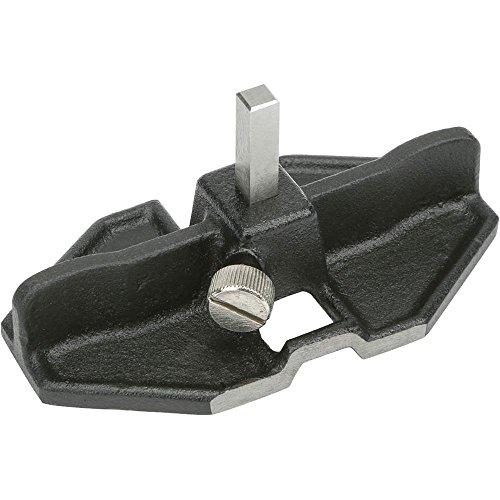
Woodstock D3830 Mini Block Plane
This three inch palm plane suits model work, small boxes, instrument making and edges where a full size block plane feels clumsy. A closed hand fully wraps around the body, giving fine control over tiny components. Its thin blade and simple lever cap adjustment make it a supplementary tool rather than a primary one.
Pros
- Suited to small parts and model making
- Fits inside a closed hand for precise control
- Inexpensive addition to an existing kit
Cons
- Thin blade dulls quickly in hardwood
- Basic adjustment mechanism limits fine tuning

Great Neck C4 Bench Plane
Homeowners who need to shave a sticking door or ease a drawer runner occasionally reach for this number four equivalent. Basic flattening and honing get it functional for rough duty tasks. Casting, blade and adjuster quality all sit a step behind the Stanley and Jorgensen options above.
Pros
- Low cost for occasional household repairs
- Serviceable after basic flattening and honing
- No worry about damaging an expensive tool
Cons
- Needs substantial tuning to cut cleanly
- Adjuster shows noticeable backlash
Compared at a glance
| # | Model | Type | Best for | Score | Price |
|---|---|---|---|---|---|
| 1 | Stanley 12-137 Sweetheart No. 62 Low Angle Jack Plane | Bevel up low angle jack | Best overall | 9.4 | Check price |
| 2 | Stanley 12-404 Bailey No. 4 Smoothing Plane | Bevel down bench smoother | Best value | 9.2 | Check price |
| 3 | Stanley 12-220 Adjustable Block Plane | Bevel up block plane | Best budget | 9.0 | Check price |
| 4 | Jorgensen No. 4 Smoothing Bench Plane | Bevel down bench smoother | Best out of the box performance | 8.8 | Check price |
| 5 | Kakuri Japanese Kanna Hand Plane | Japanese kanna, pull stroke | Best for pull stroke work | 8.6 | Check price |
| 6 | Woodstock D3830 Mini Block Plane | Mini block plane | Best for small detail work | 8.3 | Check price |
| 7 | Great Neck C4 Bench Plane | Bevel down bench plane | Best for occasional use | 8.0 | Check price |
What matters most
What do the plane numbers and types actually mean? Bench planes carry a number tied to their length. A number four smooths boards last, leaving a finished surface. Jack planes, numbered five, remove stock and flatten roughly before smoothing begins. Jointers, numbered six through eight, run long enough to true edges and bridge hollows. Block planes stay small and bevel up, built for end grain, chamfers and quick trims. Two planes, a jack and a block plane, cover most home shop tasks.
Bevel up or bevel down: which cutting angle wins? Traditional bench planes bed the blade bevel down at 45 degrees, fixing the cutting angle. Bevel up planes, like a low angle jack or a block plane, add the bed angle to the sharpening angle instead. Grinding a steeper bevel raises the effective cutting angle and tames tearout in figured wood. A shallow bevel slices end grain cleanly with less resistance. One bevel up plane with two or three blades ground differently can replace several dedicated tools.
Why does a plane skip, chatter or leave ridges? Chatter usually traces back to a thin blade, a loose frog or a hollow sole. Lapping the sole on abrasive paper stuck to float glass corrects flatness; check contact at the toe, heel and mouth with a straightedge. Thicker blades resist flexing under cutting pressure, which explains why aftermarket irons are the most common upgrade for budget planes. Gaps between the chipbreaker and blade jam shavings and stop a cut instantly, so that fit needs checking every time the blade comes out.
How sharp does a plane blade need to be? No amount of body quality compensates for a dull blade. Start with a primary bevel around 25 degrees on a coarse stone. Hone a secondary bevel near 30 degrees on progressively finer stones, then finish on a strop. Polish the back flat for at least a few millimeters behind the edge, since a cutting edge is where two flat surfaces meet. A sharp inexpensive plane will outcut a dull premium one every time.
Questions worth asking
Which hand plane should I buy first?
A low angle jack plane like the Stanley Sweetheart No. 62 covers the widest range of tasks. On a tighter budget, pair a number four smoother with a block plane instead.
Do new hand planes need tuning before use?
Almost every plane does. Flatten the sole, hone the blade and check that the chipbreaker seats tightly against it. Budget castings need more work than premium ones, but none arrive fully ready.
What is the difference between a block plane and a bench plane?
Block planes stay small, bevel up and single handed, built for end grain and chamfers. Bench planes run longer, usually bevel down, and need two hands for flattening and smoothing faces.
Why does my hand plane skip or leave ridges?
Chatter from a loose frog, a thin blade or a hollow sole is the usual cause. A blade set too deep also skips. Check sole flatness, tighten the lever cap and take a lighter shaving.
What angle should I sharpen a plane blade to?
A 25 degree primary bevel with a 30 degree secondary bevel suits most bevel down planes. On bevel up planes, the ground bevel sets the cutting geometry, so use a shallow angle for end grain and a steeper one for figured wood.
Stanley Bailey No. 4 vs Jorgensen No. 4: which smoother should I buy?
The Stanley 12-404 costs less but needs a longer tuning session before it cuts well. The Jorgensen ships with a thicker blade and a flatter sole out of the box, at a higher price.
Is a Japanese kanna harder to use than a western plane?
Yes, setup takes more practice. A kanna is adjusted by tapping the wooden dai with a hammer rather than turning a screw, and the sole needs periodic reconditioning. The payoff is an exceptionally fine, quiet cut.
What causes tearout and how do I stop it?
Tearout happens when the blade lifts wood fibers against the grain direction. Take lighter cuts, close the mouth, raise the effective cutting angle and plane with the grain running away from the edge.
Does the chipbreaker position matter for a smooth cut?
Yes. Setting it within a fraction of a millimeter of the edge reduces tearout in difficult grain significantly. It must sit flush against the blade, since any gap jams shavings and stalls the cut.
Are vintage hand planes worth buying instead of new ones?
A well kept vintage Stanley often has an excellent casting and tunes up beautifully, but condition varies a lot between listings. A new plane from a known maker removes that gamble at a higher cost.
Our take
Stanley’s Sweetheart No. 62 earns the top spot because one bevel up body handles smoothing, jointing and end grain with a simple blade swap. Beginners on a budget should start with the 12-404 No. 4 and budget time for tuning, then add the 12-220 block plane for everyday trimming. Specialists chasing the finest possible surface can step up to the Kakuri kanna once they are comfortable sharpening by hand.
Jake Monroe
Jake worked as a residential contractor for over a decade before shifting to full-time writing. He evaluates power tools, hand tools and workshop gear through the lens of someone who has actually used them on job sites, not just read the box.