Polycarbonate or Pop-Up: Choosing a Greenhouse
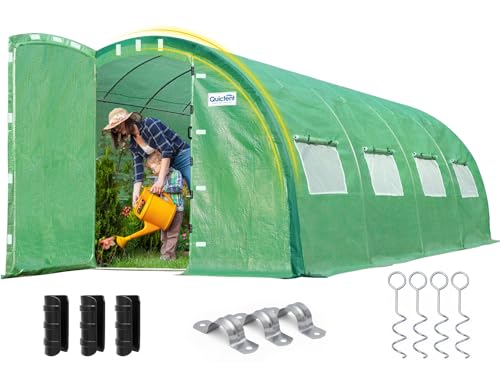
The Palram Canopia Hybrid 6×8 is the strongest overall greenhouse, pairing impact-resistant polycarbonate panels with a rust-resistant aluminum frame. Buyers testing the idea on a budget should consider the Quictent Portable Greenhouse instead, while patio or balcony growers fit better with the tiered Gardman 4-Tier Mini Greenhouse.
The Palram Canopia Hybrid 6×8 stands out because its polycarbonate side panels resist impact far better than the fabric covers found on cheaper structures. Its main limitation is footprint, since it needs more yard space than compact or mini models.
We compared published frame material, panel type, footprint and ventilation across each listing based on manufacturer specifications.
The best picks, ranked

Palram Canopia Hybrid 6×8
Rigid polycarbonate side panels resist hail and impact better than plain plastic sheeting, while a polyethylene roof panel keeps the structure lighter overall. An aluminum frame resists rust in a way steel alternatives do not without extra coating. A sliding door built into the frame avoids the sagging some greenhouse doors develop over a season.
Pros
- Polycarbonate side panels resist impact better than plastic sheeting
- Aluminum frame avoids rust without extra coating
- Sliding door avoids common sagging issues
Cons
- Larger footprint needs more yard space than compact models
- Assembly involves more panels than simpler pop-up designs

Quictent Portable Greenhouse
A steel tube frame with a PE fabric cover brings walk-in greenhouse height to a price point far below rigid polycarbonate structures. A roll-up mesh door allows ventilation without fully opening the structure to pests. It suits gardeners testing a greenhouse before committing to a permanent structure.
Pros
- Walk-in height at a price well below rigid panel greenhouses
- Roll-up mesh door balances airflow with pest protection
- Lower upfront cost suits first-time greenhouse buyers
Cons
- Fabric cover wears faster than polycarbonate over multiple seasons
- Steel frame needs anchoring in windy locations

EAGLE PEAK Pop-Up Greenhouse
A spring-loaded frame pops into shape in minutes, closer to a pop-up tent than a built structure requiring tools. It folds back down into a carry bag for off-season storage, a detail rigid greenhouses cannot match. A zippered door seals against pests better than a simple flap.
Pros
- Pops open in minutes without tools
- Folds flat into a carry bag for storage
- Zippered door seals better than a basic flap
Cons
- Smaller interior space than walk-in steel-frame models
- Less durable long-term than polycarbonate structures
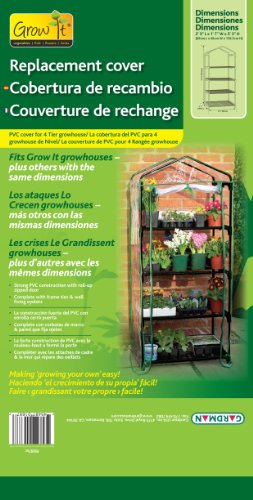
Gardman 4-Tier Mini Greenhouse
Four tiered shelves stack vertically rather than spreading across a footprint, suited to a patio or balcony rather than a yard. A roll-up PVC front panel exposes plants for watering without removing the whole cover. It functions more as seedling and container storage than a walk-in growing space.
Pros
- Vertical tiered design suits patios and balconies
- Roll-up front panel simplifies watering access
- Smaller footprint than any walk-in option here
Cons
- Not walk-in, limiting use to container and seedling storage
- PVC cover is less durable than rigid panels

Ogrow Deluxe Walk-In Greenhouse
Eight shelves across two tiers turn this walk-in structure into organized seedling storage rather than open growing space alone. A roll-up zippered door balances ventilation with pest control similar to other fabric-covered models. The steel frame needs ground anchoring, a step worth planning for before setup.
Pros
- Eight shelves organize seedlings and containers by tier
- Zippered roll-up door balances airflow and pest control
- Walk-in height allows standing room while tending plants
Cons
- Requires ground anchoring for stability in wind
- Fabric cover needs periodic replacement over several seasons
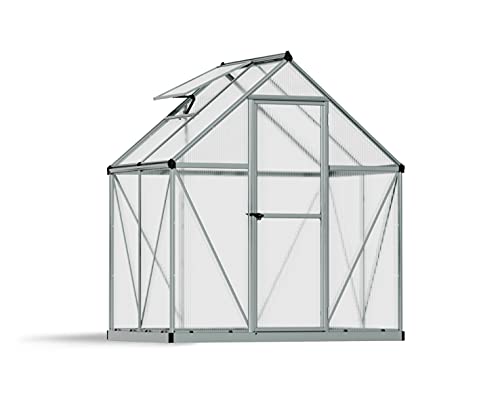
Palram Canopia Mythos 6×4
A smaller 6 by 4 foot footprint fits yards where a full-size greenhouse would not, while still using the same polycarbonate panel material as larger Palram models. A roof vent helps manage heat buildup on warm days without opening the door. The compact size suits a handful of raised beds or container plants rather than a full garden.
Pros
- Smaller footprint suits yards without space for a full greenhouse
- Same impact-resistant polycarbonate as larger models
- Roof vent helps manage heat buildup
Cons
- Limited interior space for anything beyond a small collection of plants
- Costs more per square foot than larger greenhouses from the same brand
FlowerHouse Sunhouse Pop-up
Round in shape rather than rectangular, the Sunhouse pops open without tools and packs down into a bag for off-season storage. Zippered windows allow targeted ventilation on hot days. Its shape and portability suit gardeners who only need a greenhouse for part of the year.
Pros
- Pops open and packs away without tools
- Zippered windows allow targeted ventilation
- Packable design suits seasonal, part-year use
Cons
- Round shape fits less efficiently than rectangular models for shelving
- PVC cover wears faster than rigid panel alternatives
How they stack up
| # | Model | Frame | Best for | Score | Price |
|---|---|---|---|---|---|
| 1 | Palram Canopia Hybrid 6×8 | Aluminum | Best Overall | 9.1 | Check price |
| 2 | Quictent Portable Greenhouse | Powder-coated steel tube | Best Budget Walk-In | 8.4 | Check price |
| 3 | EAGLE PEAK Pop-Up Greenhouse | Spring-loaded pop-up | Best for Quick Setup | 8.2 | Check price |
| 4 | Gardman 4-Tier Mini Greenhouse | Powder-coated steel | Best Mini Greenhouse for Patios | 8.3 | Check price |
| 5 | Ogrow Deluxe Walk-In Greenhouse | Powder-coated steel | Best for Shelving and Seedling Storage | 8.5 | Check price |
| 6 | Palram Canopia Mythos 6×4 | Aluminum | Best Compact for Small Yards | 8.6 | Check price |
| 7 | FlowerHouse Sunhouse Pop-up | Pop-up steel frame | Best for Seasonal Use | 8.1 | Check price |
What matters most
What to look for in a backyard greenhouse Frame material decides long-term durability, with aluminum resisting rust better than untreated steel. Panel type separates rigid polycarbonate from fabric covers like PE or PVC, each with different lifespans. Walk-in height versus mini tiered designs, plus ventilation options, round out the main differences buyers should weigh.
Rigid panels versus fabric covers Polycarbonate panels, used on the Palram Hybrid and Mythos, resist impact and last longer across multiple seasons than fabric. Fabric covers on the Quictent, EAGLE PEAK and FlowerHouse Sunhouse cost less upfront but wear faster, especially under direct sun and wind exposure. Buyers planning years of use should weigh that tradeoff against the lower entry price of fabric models.
Matching size to how you garden A mini tiered unit like the Gardman 4-Tier suits patios and container plants rather than ground-level beds. Walk-in structures like the Quictent and Ogrow Deluxe fit raised beds and standing-room tending. A full aluminum structure like the Palram Hybrid suits gardeners committing to serious, year-round growing.
Setup, storage and seasonal use Pop-up frames like the EAGLE PEAK and FlowerHouse Sunhouse suit gardeners who pack the structure away between seasons. Permanent aluminum or steel frames, like the Palram and Ogrow models, suit those leaving the structure up year-round instead of breaking it down each winter.
Questions worth asking
What is the difference between a polycarbonate and a PE cover greenhouse?
Polycarbonate panels, used on Palram models, are rigid and resist impact. PE fabric covers, used on the Quictent and Ogrow, are lighter and less expensive but wear faster over time.
Do pop-up greenhouses last multiple seasons?
Many do, though their fabric covers and lighter frames generally have a shorter usable lifespan than rigid polycarbonate structures.
How much ventilation does a small greenhouse need?
Roof vents or roll-up doors, found on several models here, help manage heat buildup, which matters more in warmer climates or during summer months.
Can a mini greenhouse replace a walk-in one?
A mini tiered unit like the Gardman 4-Tier works for container plants and seedlings but does not offer the standing-room growing space of a walk-in structure.
Does a backyard greenhouse need anchoring?
Lighter steel-frame and fabric-covered models, like the Quictent and Ogrow, generally benefit from ground anchoring for stability in wind.
What size greenhouse works for raised garden beds?
A walk-in model in the range of the Quictent or Ogrow Deluxe typically gives enough room to tend raised beds comfortably.
How cold can plants get inside an unheated greenhouse?
An unheated structure still offers some frost protection compared to open air, though the exact benefit depends on climate, insulation and the specific plants being grown.
Is PVC or PE cover more durable for a greenhouse?
Both are fabric-type covers with different weight and flexibility; general durability depends more on thickness and UV treatment than on the PVC versus PE distinction alone.
Can a small greenhouse be used indoors as well as outdoors?
Most consumer greenhouses on this list are designed and ventilated for outdoor use rather than indoor placement.
Our pick
The Palram Canopia Hybrid 6×8 is the strongest choice for anyone wanting a durable, long-term structure that holds up across seasons. Gardeners testing the idea without a large budget should start with the Quictent Portable Greenhouse instead. Patio and balcony growers without room for a walk-in structure fit better with the Gardman 4-Tier Mini Greenhouse.
Sierra Daniels
Sierra's background is in landscape design and nursery retail. She focuses on lawn and garden equipment, outdoor furniture and gear durability, weighing published specs against how materials actually hold up outside.