Putters Compared for Feel, Balance and Green Roll
The Odyssey White Hot OG Seven suits most amateur strokes thanks to its forgiving mallet head and familiar insert feel. Straight back strokes match better with the stable TaylorMade Spider Tour X, and the Cleveland Huntington Beach SOFT 11 delivers a milled face at a lower cost.
Toe hang, not sound at address, decides whether a putter actually fits your stroke. An arcing stroke wants the pronounced toe hang built into blades like the PING PLD Milled Anser 2. A straight back and through motion pairs better with the stable mallet weighting in the TaylorMade Spider Tour X.
Marketing pages rarely mention the specs that matter most for putting, toe hang and head weight relative to stroke arc. Feel is subjective on top of that, and it shifts with green speed from one course to the next. We compared published toe hang and hosel configurations, head shapes, face technologies, alignment aids and stock lengths, then checked owner reports on sound, roll and setup confidence.
Before you buy
Matching toe hang to your stroke Hold the putter by the shaft and watch how the head hangs to check toe hang. A face balanced head points straight at the sky, suited to a straight back and straight through stroke. Pronounced toe hang, where the toe drops toward the ground, matches a stroke that arcs inside on the way back. Getting this wrong makes even an expensive putter feel like it fights every stroke.
Blade or mallet comes down to forgiveness Blades run compact, offer more feedback and usually carry more toe hang, which draws feel players and arcing strokes toward them. Mallets push weight further from the face, so they resist twisting on mishits and hold their line better. Misses that come up short or off line usually improve with a mallet rather than a blade.
Length, lie and eye position A putter that runs too long pushes the eyes inside the ball line and encourages a pull. Arms should hang naturally with eyes over or just inside the ball for most golfers. Standard lengths of 33, 34 and 35 inches fit most players, though shortening a putter changes its swingweight, so recheck the feel after any cut.
Face inserts, milling and green speed Softer, quieter feedback comes from inserts, which many golfers prefer on fast greens where a firm face feels harsh. Milled faces give crisper feedback and suit slower greens that need a more positive strike. Grooved and textured faces reduce skid and start the ball rolling sooner, helping it hold the intended line.
The top picks, ranked

Odyssey White Hot OG Seven
Two rails frame the ball on this head shape, one of the most copied designs in golf, which makes aiming close to automatic. A White Hot insert produces the soft, responsive sound many golfers already know. Mishits still finish close thanks to the forgiveness built into the shape, covering exactly what most amateurs need.
Pros
- Alignment rails simplify aiming at address
- Soft insert sound feels familiar to most golfers
- Forgives off centre strikes better than a blade
Cons
- Insert feel goes muted on fast greens
- Less workable than a blade for feel players

TaylorMade Spider Tour X
Perimeter weighting resists twisting through impact, the reason this shape shows up so often on tour among straight back and through strokes. A True Path alignment channel gives a strong visual reference over the ball. Owners report it steadies a stroke that tends to open and close at impact.
Pros
- Resists twisting through impact better than most
- Alignment channel gives a strong visual cue
- Well suited to straight back strokes
Cons
- Bulky profile behind the ball
- Poor fit for a strongly arcing stroke

PING PLD Milled Anser 2
This shape defines what a blade putter looks like, and the PLD Milled version machines the entire head with a premium finish. Firm, precise feedback suits players who read speed by feel rather than numbers. Real toe hang here pairs it naturally with an arcing stroke.
Pros
- Timeless blade shape at address
- Precise feedback from the fully milled face
- Build quality stands out even among blades
Cons
- Less forgiving than any mallet in this lineup
- Priced at a premium for a blade
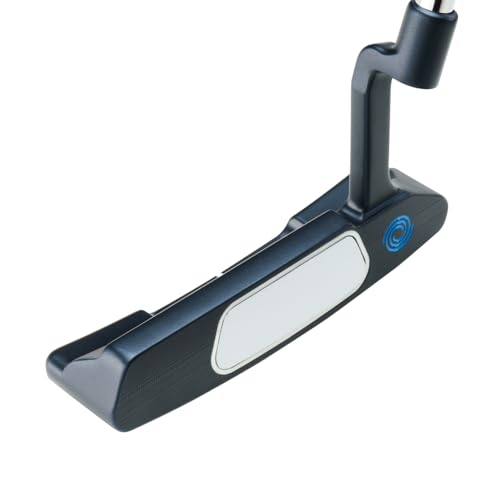
Odyssey Ai-ONE Double Wide
Face thickness varies across the Ai-ONE insert, designed to even out ball speed on strikes away from center. Sitting between a blade and full mallet, the Double Wide head adds stability without a bulky shape. Long putt distance control stands out as its strongest suit.
Pros
- Consistent pace even on off centre hits
- Compact shape adds stability without bulk
- Stock grip feels comfortable through the stroke
Cons
- Insert sound feels soft to some players
- Fewer hosel options than rival mallets

Cleveland Huntington Beach SOFT 11
A milled face and a properly shaped mallet head come together here at a price well under tour level putters. Diamond milling helps the ball roll early instead of skidding off the face. Golfers wanting a genuine upgrade without overspending land on this one often.
Pros
- Milled face available at a modest price
- Gets the ball rolling early off the face
- Oversized grip adds comfort through the stroke
Cons
- Finish shows marks more easily than premium heads
- Fewer length and lie options than rivals

Wilson Staff Infinite Buckingham
A heavy counterbalanced grip pairs with a large mallet head here, moving weight into the hands to quiet a nervous stroke. Clear sightlines and a double bend shaft help golfers who struggle to start putts on line. Owners report it helps most on shorter, higher pressure putts.
Pros
- Steadies a stroke prone to the yips
- Clear sightline aids setup and alignment
- Strong value for a large mallet head
Cons
- Heavy overall feel takes some adjustment
- Large head shape will not suit traditionalists

Ray Cook Golf Silver Ray SR500
An inexpensive mallet head covers the basics here, aimed at beginners and occasional golfers who need something serviceable rather than fitted. A wide sightline and face balanced design make aiming simple. Feel and finish trail the branded options, though the fundamentals are all present.
Pros
- Affordable starting point for new golfers
- Easy to aim thanks to the wide sightline
- Light enough for junior and senior players
Cons
- Basic finish compared with branded putters
- Limited fitting options across lengths
The lineup, side by side
| # | Model | Head type | Best for | Score | Price |
|---|---|---|---|---|---|
| 1 | Odyssey White Hot OG Seven | Mid mallet with rails | Best overall | 9.4 | Check price |
| 2 | TaylorMade Spider Tour X | High MOI mallet | Best for straight strokes | 9.2 | Check price |
| 3 | PING PLD Milled Anser 2 | Classic blade | Best blade | 9.0 | Check price |
| 4 | Odyssey Ai-ONE Double Wide | Wide blade | Best for consistent speed | 8.8 | Check price |
| 5 | Cleveland Huntington Beach SOFT 11 | Mallet | Best value | 8.6 | Check price |
| 6 | Wilson Staff Infinite Buckingham | Large mallet | Best for alignment help | 8.3 | Check price |
| 7 | Ray Cook Golf Silver Ray SR500 | Mallet | Best budget pick | 8.0 | Check price |
Frequently asked questions
How do I know if I need a blade or a mallet putter?
Check your stroke shape and your typical misses. Straight strokes with off centre strikes favor a mallet, while a consistent arcing stroke suits a blade. A mid mallet is the safe compromise when in doubt.
What length putter should I use?
Set up in your normal posture and measure from the ground to the base of your hands. Most golfers land between 33 and 35 inches. Correct length lets the eyes sit over or just inside the ball.
Does a heavier putter help on fast greens?
Many golfers find a heavier head easier to control on fast greens, since it encourages a smoother, less handsy stroke. Counterbalanced grips achieve something similar by shifting weight into the hands instead.
Are milled putter faces better than insert faces?
Neither wins outright, they simply feel different. Milled faces give firmer, more detailed feedback, while inserts feel softer and quieter. Home green speed usually decides which gives better distance control.
Do putter alignment lines actually help?
They help golfers who struggle to aim, which covers a large share of players. Some putt better with a clean top line and no aids at all, so testing both is worthwhile if putts start off target consistently.
Should I get fitted for a putter?
A fitting reliably matches length, lie and toe hang to your stroke, and it often matters more than the model itself. Getting fitted before a premium purchase makes that spending count.
What grip size should I choose for a putter?
Larger grips reduce wrist action, helping players who flick at the ball or feel nerves on short putts. Traditional pistol grips give more feel for pace on longer putts.
How often should I replace a putter?
Putter heads last for years, so most golfers only switch to fix a mismatch in shape, length or toe hang. Regripping every couple of seasons improves performance more than replacing the head does.
Our take
The Odyssey White Hot OG Seven suits the widest range of amateur strokes, pairing easy alignment with real forgiveness and familiar feel. Choose the TaylorMade Spider Tour X for a straight stroke that needs maximum stability, or step down to the PING PLD Milled Anser 2 for a blade with genuine toe hang.
Derek Holt
Derek has a background coaching recreational and amateur athletes and has worked the sales floor at specialty fitness retailers. He focuses on equipment durability, ergonomics and realistic use cases rather than marketing claims.