Garden Hoes Built for Weeding Without Wrecking Your Back
The Fiskars Garden Hoe is the strongest overall pick, pairing a durable steel blade with a comfortable fiberglass handle for general weeding and soil work. Buyers dealing with back or wrist strain should choose the Radius Garden Ergonomic Hoe instead, while anyone tackling compacted or rocky soil should pick the Truper Pro Garden Hoe.
The Fiskars Garden Hoe leads this list because its hardened steel blade holds an edge through repeated use without needing frequent sharpening. Its main limitation is that its standard straight handle offers less strain relief than hoes built with ergonomic grip angles.
We compared listed blade material, handle construction, overall weight and ergonomic features across each hoe rather than conducting our own extended field trials.
The top picks, ranked
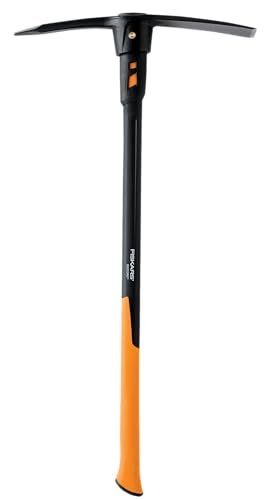
Fiskars Garden Hoe
A hardened steel blade cuts through weeds and loosens topsoil without dulling as quickly as softer stamped-steel alternatives. The fiberglass handle resists splintering and stays lighter than solid wood handles of similar length. A rust-resistant coating on the blade reduces maintenance after exposure to wet soil.
Pros
- Hardened steel blade holds an edge longer than softer alternatives
- Fiberglass handle resists splintering and stays lightweight
- Rust-resistant coating reduces blade maintenance
Cons
- Standard straight handle offers less ergonomic strain relief
- Blade width is fixed, less specialized than narrow weeding blades
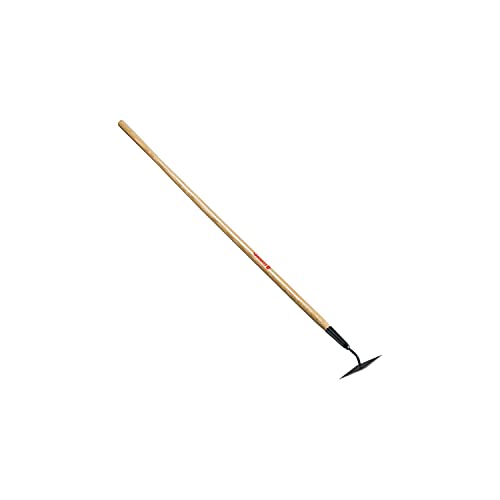
Corona Classic Hoe
A forged steel blade construction gives this hoe more impact resistance than stamped blades when working through compacted or rocky soil. The hardwood handle, while heavier than fiberglass, offers a traditional feel many longtime gardeners prefer. Corona backs the tool with a limited lifetime warranty against manufacturing defects.
Pros
- Forged blade resists impact damage better than stamped steel
- Hardwood handle offers a traditional, familiar feel
- Lifetime warranty covers manufacturing defects
Cons
- Heavier than fiberglass-handled alternatives
- Wood handle requires more long-term care than fiberglass
True Temper Garden Hoe
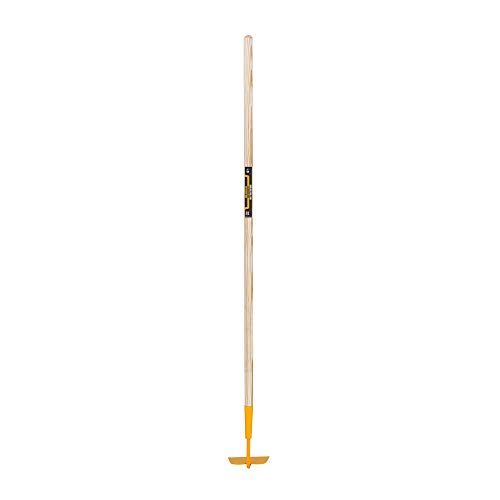
This hoe covers standard weeding and cultivating tasks at a lower price than premium forged or ergonomic alternatives. A steel blade with a standard bevel edge handles typical garden bed maintenance without specialized features. The wood handle keeps manufacturing costs down while remaining functional for most home gardeners.
Pros
- Lower price than premium forged or ergonomic hoes
- Handles typical garden bed maintenance reliably
- Widely available replacement handles if needed
Cons
- Standard bevel edge dulls faster than hardened steel blades
- No ergonomic grip features for reducing strain

Truper Pro Garden Hoe
A heavier, thicker blade than standard garden hoes gives this model more leverage and durability when breaking up compacted or rocky soil. The fiberglass core handle resists breaking under the extra force needed for tough ground compared to thin wood handles. A wider blade covers more ground per stroke in open garden beds.
Pros
- Thicker blade provides more leverage in tough compacted soil
- Fiberglass core resists breaking under extra force
- Wider blade covers more ground per stroke
Cons
- Heavier than standard hoes, adding fatigue over long sessions
- Extra bulk is less precise for detailed weeding between plants
Radius Garden Ergonomic Hoe
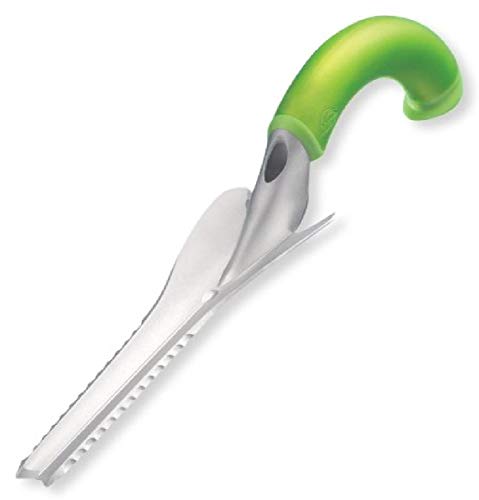
A curved handle design keeps the wrist in a more neutral position during repeated chopping and pulling motions, reducing strain compared to straight-handled hoes. The lightweight aluminum shaft further cuts down on arm fatigue during extended garden sessions. A patented grip shape distributes pressure across the palm rather than concentrating it at one point.
Pros
- Curved handle keeps wrist in a more neutral position
- Lightweight aluminum shaft reduces arm fatigue
- Stainless steel blade resists rust in wet garden conditions
Cons
- Higher price than standard straight-handle hoes
- Ergonomic shape may feel unfamiliar to longtime traditional hoe users

Bully Tools Warren Hoe
A narrow, pointed blade shape distinguishes this hoe from wide flat-blade designs, suited to precise weeding between closely spaced plants. Twelve-gauge steel construction resists bending under normal garden use. A fiberglass handle with a cushioned grip reduces hand fatigue during detailed bed work.
Pros
- Pointed blade shape suits precise weeding near plants
- 12-gauge steel resists bending under normal use
- Cushioned grip reduces hand fatigue during detailed work
Cons
- Narrow blade covers less ground than wide flat-blade hoes
- Less suited to breaking up large areas of compacted soil

Rogue Hoe 5.5 Inch Garden Hoe
A thick, recycled steel blade from agricultural disc material gives this hoe exceptional durability for breaking hard clay or dry compacted ground. The blade’s cutting edge stays sharp through heavy use thanks to the dense steel source material. A wood handle keeps the tool lighter than some all-steel agricultural hoes despite the heavy-duty blade.
Pros
- Recycled disc steel blade holds an edge through heavy use
- Handles hard clay and compacted ground effectively
- Longer handle length adds leverage for tough breaking work
Cons
- Heavier blade adds fatigue for light routine weeding tasks
- Longer length may feel unwieldy in tight garden bed spaces
How they stack up
| # | Model | Blade Material | Best for | Score | Price |
|---|---|---|---|---|---|
| 1 | Fiskars Garden Hoe | Hardened steel | Best Overall | 8.7 | Check price |
| 2 | Corona Classic Hoe | Forged steel | Best Durability | 8.5 | Check price |
| 3 | True Temper Garden Hoe | Steel, standard bevel edge | Best Value | 8.2 | Check price |
| 4 | Truper Pro Garden Hoe | Thick heavy-duty steel | Best for Rocky or Compacted Soil | 8.4 | Check price |
| 5 | Radius Garden Ergonomic Hoe | Stainless steel | Best for Reducing Strain | 8.6 | Check price |
| 6 | Bully Tools Warren Hoe | 12-gauge steel, pointed shape | Best for Precision Weeding | 8.3 | Check price |
| 7 | Rogue Hoe 5.5 Inch Garden Hoe | Recycled agricultural disc steel | Best for Tough Soil Breaking | 8.1 | Check price |
What matters most
What to look for in a garden hoe Blade material decides how well the edge holds up over repeated use, with forged or hardened steel outlasting basic stamped steel. Handle material affects weight and comfort, where fiberglass and aluminum stay lighter than solid wood over a full gardening season. Blade shape should match the task, since wide flat blades suit general weeding while narrow pointed blades suit precision work near plants.
Standard hoes versus ergonomic designs A standard straight-handle hoe like the Fiskars or Corona Classic model works well for most gardeners without added cost for special grip features. An ergonomic design like the Radius Garden Ergonomic Hoe curves the handle to reduce wrist and back strain during repeated motions. Gardeners with existing wrist, back or shoulder issues generally benefit enough from ergonomic designs to justify the added cost.
Heavy-duty hoes for tough soil Breaking up compacted clay or rocky ground requires a thicker, heavier blade like the one on the Truper Pro or Rogue Hoe model, which can withstand more force without bending. Lighter hoes designed for routine weeding, like the Bully Tools Warren Hoe, are not built for this kind of heavy soil-breaking work. Matching blade thickness to the actual soil condition avoids both wasted effort and premature tool damage.
Precision weeding near plants A narrow, pointed blade shape, as found on the Bully Tools Warren Hoe, allows closer, more controlled weeding between closely spaced vegetables or flowers. Wide flat-blade hoes cover more ground per stroke but risk damaging nearby plants in tight spacing. Gardeners with densely planted beds should prioritize blade precision over raw ground-clearing speed.
Questions worth asking
What is the difference between a forged and stamped garden hoe blade?
A forged blade is shaped under pressure from a single piece of steel, giving it more durability than a stamped blade cut from flat sheet steel.
Can a garden hoe help with lower back strain?
An ergonomic design like the Radius Garden Ergonomic Hoe can reduce strain by keeping the wrist and back in a more neutral position during use.
What garden hoe is best for breaking up hard clay soil?
A thick, heavy-duty blade like the one on the Truper Pro Garden Hoe or Rogue Hoe model provides more leverage for compacted or clay soil.
Is a fiberglass or wood handle better for a garden hoe?
Fiberglass handles are generally lighter and more resistant to splintering, while wood handles offer a traditional feel some gardeners prefer.
What hoe shape works best for weeding between close plants?
A narrow, pointed blade, like that on the Bully Tools Warren Hoe, allows more precise weeding without disturbing closely spaced plants.
How often does a garden hoe blade need sharpening?
Frequency depends on use and soil type, but hardened or forged steel blades, like those on the Fiskars or Corona models, hold an edge longer between sharpenings.
Does a longer handle make a garden hoe easier to use?
A longer handle, like the one on the Rogue Hoe model, can add leverage for tough soil but may feel less maneuverable in tight garden bed spaces.
Is stainless steel better than standard steel for a garden hoe blade?
Stainless steel, used on the Radius Garden Ergonomic Hoe, resists rust better in wet conditions, though standard steel with a protective coating also performs well.
Our take
The Fiskars Garden Hoe is the right choice for most gardeners who want a durable, reliable blade for general weeding and cultivating. Anyone dealing with wrist, back or shoulder strain during repeated garden work should choose the Radius Garden Ergonomic Hoe instead, since its curved handle reduces that strain directly. Gardeners facing compacted or rocky soil beyond typical weeding should skip standard hoes and pick the heavier Truper Pro Garden Hoe.
Sierra Daniels
Sierra's background is in landscape design and nursery retail. She focuses on lawn and garden equipment, outdoor furniture and gear durability, weighing published specs against how materials actually hold up outside.