Which Garden Fork Handles Clay, Rock and Raised Beds
Most gardeners do best with the Fiskars Ergo Garden Fork, which pairs an angled D-handle with hardened steel tines for routine bed turning. Heavy clay and rocky ground call for the Bully Tools 92300 and its 14 gauge steel. Budget shoppers still get forged steel from the Truper Tru-Tough Spading Fork.
Wrenching your wrist while breaking ground gets old fast. The Fiskars Ergo Garden Fork fixes that for most gardeners, its angled D-handle keeping the wrist straighter through repeated digging, though the shorter 39 inch reach costs some leverage in packed clay. Rocky or compacted beds favor the Bully Tools 92300 instead, since 14 gauge steel resists bending where lighter forks flex.
Tine count, steel gauge and handle length shift with the job, so no single fork suits raised beds, clay and compost turning equally well. We compared listed specifications, steel type and owner reports on bending, rust and grip comfort across seven forks.
How to choose
What to look for in a garden fork Four factors decide most fork purchases: tine count, steel gauge, handle material and overall length. Four tines remain standard, since more crowd together and resist entry into firm soil. Steel gauge determines whether a head bends under a heel or holds its shape in clay. Handle material affects weight and shock absorption, with fiberglass and ash the two common choices. Match length to your height, since a short handle forces extra bending over a full session.
Best garden fork for heavy clay and rocky soil Compacted clay and buried rock bend thin steel fast. Look for 14 gauge or forged steel heads with square rather than flat tines, since square stock resists twisting under a heel. Bully Tools uses 14 gauge steel on the 92300 for exactly this reason. Longer handles help too, adding leverage so tines drive deeper without extra force.
D-handle vs long handle: which fork design wins A D-handle keeps the whole tool short, suiting raised beds and tight spaces where a long handle catches on structures. Long handles trade that compactness for leverage, useful when prying rock or compacted soil. Wrist angle matters too, since some D-handles sit flat while others angle to keep the wrist straighter through repeated digging. Base the choice on where you garden more than on personal preference alone.
Turning compost and mulch without losing material Compost and mulch need wider, flatter tines than digging clay, since narrow tines let loose material slip through. Corona widens the four tines on the GF 3400 for this reason, carrying more per lift. A lighter fiberglass handle matters here too, since compost turning involves far more repetitions than a single digging session. Keep a narrow tined fork for breaking ground and a wide tined one for the pile.
The top picks, ranked

Fiskars Ergo Garden Fork
A hardened steel head meets an angled D-handle on this Fiskars fork, a pairing built to keep the wrist straighter through repeated digs. Four flat tines enter loosened soil with little resistance. Owners report the softgrip handle stays comfortable through long weekend sessions.
Pros
- Angled D-handle cuts wrist strain on repeat digging
- FiberComp shaft resists splintering better than solid wood
- Balanced weight suits smaller frames and shorter sessions
Cons
- 39 inch length limits leverage versus long handle forks
- Tight tine spacing struggles with large root clumps

Bully Tools 92300 Digging Fork
Bully Tools builds this fork from 14 gauge steel, thick enough to pry apart compacted clay without bending. A fiberglass handle with a cushioned grip absorbs more shock than solid wood. Assembly happens in the United States, backed by a lifetime warranty.
Pros
- 14 gauge steel resists bending in compacted clay
- 45 inch fiberglass handle adds leverage on hard ground
- Lifetime warranty covers manufacturing defects
Cons
- Extra length makes tight container work awkward
- Heavier in hand than aluminum or lightweight rivals

Truper Tru-Tough Spading Fork
Truper forges the head from carbon steel and mounts it on straight grain American ash, a combination the brand has sold at low cost for decades. Four tines handle general bed turning and root division. Owners describe it as a reliable backup that undercuts premium forged forks.
Pros
- Forged steel head holds an edge across seasons
- Ash handle flexes rather than snaps under load
- Costs far less than comparable forged competitors
Cons
- Bare wood handle skips any cushioned grip
- Finish wears faster than coated alternatives
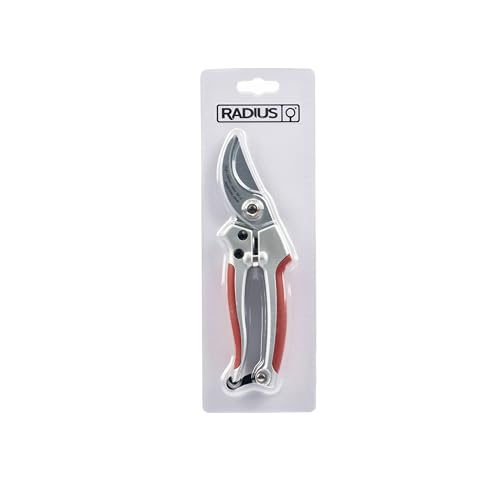
Radius Garden Pro Garden Fork
Radius Garden shapes its handle around a patented curve, keeping the wrist neutral instead of bent back on every push. Stainless tines slide through soil and resist the pitting carbon steel develops. At under three pounds, it suits gardeners managing wrist or hand strain.
Pros
- Curved handle holds the wrist in a neutral position
- Stainless tines resist pitting and rust for years
- Light overall weight cuts fatigue in long sessions
Cons
- Priced above standard carbon steel forks
- Curved grip feels unfamiliar until you adjust

Spear and Jackson Neverbend Digging Fork
Spear and Jackson forges the Neverbend head from solid stainless steel in one piece, removing the joint that cracks on cheaper forks. An FSC certified ash handle attaches through a socket instead of a rivet alone. A lifetime guarantee against bending backs the head.
Pros
- One piece forged head resists bending in normal use
- Stainless steel shrugs off rust in damp storage
- Socketed handle join outlasts riveted designs
Cons
- Costs more than painted steel alternatives
- Ash handle still needs oiling to prevent drying

Corona GF 3400 Digging Fork
Corona widens the four tines on this fork to lift and turn mulch or compost without material sliding off. A fiberglass handle keeps the tool light through repeated wheelbarrow fills. Owners run it as a dedicated compost turner apart from their digging fork.
Pros
- Wide tines carry more mulch or compost per lift
- Fiberglass handle stays light through repeated turning
- Cushioned grip cuts blistering in long sessions
Cons
- Wide tines struggle to penetrate compacted clay
- Not the first pick for fine root division
Bond Manufacturing Digging Fork
Bond Manufacturing keeps cost down with a plain steel head and hardwood D-handle, skipping coatings or a cushioned grip. Four tines cover routine bed turning and light soil breaking in established gardens. Owners buy it as a spare or starter tool rather than a primary one.
Pros
- Low cost makes it an easy spare or starter fork
- D-handle keeps overall length manageable in tight beds
- Steel head handles routine turning without issue
Cons
- Thinner gauge steel bends in compacted or rocky soil
- No cushioned grip adds strain over long sessions
How they stack up
| # | Model | Tines | Best for | Score | Price |
|---|---|---|---|---|---|
| 1 | Fiskars Ergo Garden Fork | 4 flat tines | Best overall | 9.4 | Check price |
| 2 | Bully Tools 92300 Digging Fork | 4 square tines | Best for heavy clay and rocky soil | 9.2 | Check price |
| 3 | Truper Tru-Tough Spading Fork | 4 forged tines | Best value | 9.0 | Check price |
| 4 | Radius Garden Pro Garden Fork | 4 stainless tines | Best for wrist comfort | 8.8 | Check price |
| 5 | Spear and Jackson Neverbend Digging Fork | 4 forged tines | Best stainless steel | 8.6 | Check price |
| 6 | Corona GF 3400 Digging Fork | 4 wide flat tines | Best for compost and mulch turning | 8.4 | Check price |
| 7 | Bond Manufacturing Digging Fork | 4 tines | Best budget | 8.0 | Check price |
Questions worth asking
What is the difference between a garden fork and a digging fork?
The terms overlap in most listings and describe the same four tined tool. Some brands reserve digging fork for heavier gauge steel meant to break ground, and garden fork for lighter turning and lifting. Check the tine gauge rather than the name to know which job a specific model suits.
How many tines does a garden fork need?
Four tines is the standard across nearly every brand, including all seven compared here. Fewer tines slice cleaner through roots but grip less soil per lift. More than four crowds together and struggles to enter firm ground.
Is a D-handle or long handle garden fork better?
Neither wins outright. D-handles suit raised beds and tight storage, while long handles add leverage for clay and rocky ground. Base the pick on your garden layout and how much prying the soil demands.
Can a garden fork break up clay soil?
A fork with 14 gauge or forged steel and square tines can, though it takes more passes than a spade in tightly compacted clay. Thinner gauge heads risk bending. Watering the bed a day ahead softens clay enough for most forks to manage.
Which garden fork works best for rocky soil?
Forged or 14 gauge steel heads hold up best against rocks, since thinner stamped steel bends on contact. The Bully Tools 92300 and Spear and Jackson Neverbend both use heavier steel built for that resistance. Square tines also flex less than flat ones when they strike a stone.
Are stainless steel garden forks worth the extra cost?
Stainless steel resists the rust and pitting that carbon steel develops in damp storage or coastal climates. It usually costs more for the same tine count and gauge. Gardeners storing tools outdoors or in humid sheds get the most benefit from the upgrade.
What is a garden fork used for compared to a spade?
A fork loosens, lifts and turns soil, compost and root clumps without slicing through them the way a flat spade blade does. Spades cut clean edges for beds and dig narrow holes. Most gardeners keep both, since neither replaces the other completely.
How do you stop a garden fork from rusting?
Wipe soil off after each use and dry the head before storage. A light coat of oil on carbon steel tines blocks moisture between uses. Stainless steel models need less maintenance but still benefit from a dry storage spot.
Does tine width matter for compost turning?
Yes, wider flat tines like those on the Corona GF 3400 lift more mulch or compost per pass without material sliding off. Narrow tines built for digging let loose material slip through, so a dedicated wide tined fork works better for pile turning.
Our take
Most gardeners land well with the Fiskars Ergo Garden Fork, since its angled D-handle spares the wrist through routine bed turning. Anyone fighting compacted clay or buried rock should go straight to the Bully Tools 92300, where 14 gauge steel resists bending that would flex a lighter head. Gardeners on a tight budget still get forged steel from the Truper Tru-Tough Spading Fork, just without the cushioned grip.
Sierra Daniels
Sierra's background is in landscape design and nursery retail. She focuses on lawn and garden equipment, outdoor furniture and gear durability, weighing published specs against how materials actually hold up outside.
You might also need

Big Water, Tiny Plot: Top Large Capacity Watering Systems for Small Gardens

Garden Shredders Ranked by Branch Capacity and Yard Size

Heavy Duty Garden Hose Reels Built for Backyard Demands
