What Football Gear Actually Fits Growing Kids?
Schutt Sports Youth Recruit Hybrid+ is the strongest overall pick, with a shell built for youth head shape and padding that adjusts through a growth spurt. Wilson NFL MVP Junior gives small hands a football they can grip and throw. Schutt Y-Flex 4.0 shoulder pads are the easiest set for a parent to size correctly.
Start with the Schutt Sports Youth Recruit Hybrid+ for the helmet, the Wilson NFL MVP Junior for practice throws, and the Schutt Y-Flex 4.0 for shoulder pads a parent can verify without help.
Youth football gear is hard to buy because protection only works when it fits, and children outgrow equipment mid season. We compared certification status, adjustment range, coverage and weight, favoring items a parent can size correctly at home without specialist tools.
What we recommend
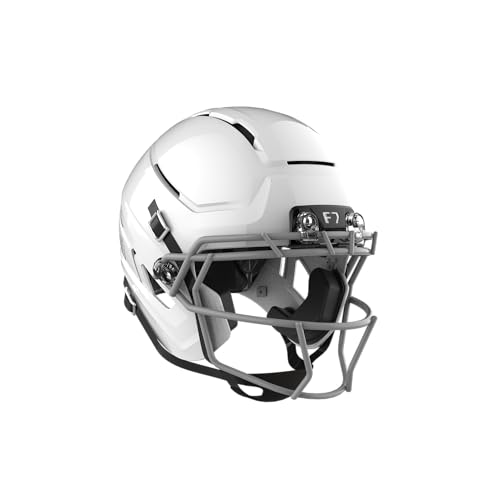
Schutt Sports Youth Recruit Hybrid+ Football Helmet
This helmet uses a shell shaped for a youth head, not a shrunk adult mold. TPU cushioning and adjustable jaw pads let the fit tighten through a growth spurt. NOCSAE certification means most leagues accept it without question, though some listings ship without a facemask.
Pros
- Shell geometry matches a youth head shape, not a scaled down adult one
- Jaw pad adjustment tracks a growth spurt across a season
- NOCSAE certification is accepted by most youth leagues
Cons
- Facemask is sold separately on some listings
- First fitting takes patience to get right

Riddell Victor-i Youth Football Helmet
Riddell built the Victor-i specifically for smaller players, and it stays noticeably light on a young neck. It arrives with the facemask already attached, plus an inflatable liner for fine tuning. Owners report it is the easiest youth helmet to size correctly without a professional fitting.
Pros
- Low weight suits smaller and younger players
- Facemask comes pre attached and ready to use
- Inflatable liner allows small fit corrections at home
Cons
- Fewer padding configurations than premium shells
- Inflatable liner needs its pressure checked regularly

Wilson NFL MVP Junior Football
A junior sized ball lets a child grip and throw a real spiral instead of lobbing a full size ball two handed. Deep pebbling on the composite cover grips well in small hands and survives grass and concrete alike. It is the practice ball worth leaving in the car.
Pros
- Sized so young players can grip and throw properly
- Composite cover holds up on rough surfaces
- Inexpensive enough to keep a spare on hand
Cons
- Needs a pump and needle before first use
- Not built to match grade leather ball standards

Schutt Sports Y-Flex 4.0 Youth Shoulder Pads
Parents most often size shoulder pads too large, and the Y-Flex 4.0 makes the correct fit easier to spot. A flexible arch and multi point straps keep the pad sitting on the shoulder instead of hanging toward the arms. Light construction means a young player is more likely to keep it fastened through practice.
Pros
- Fit is easier for a parent to judge correctly
- Light build stays fastened through a full practice
- Deltoid coverage is strong for the size class
Cons
- Sizing runs close, so measure before ordering
- Coverage is lighter than adult positional pads

Cutters Rev Pro 5.0 Football Gloves
Cutters built its name on tacky C-TACK palm material, and the Rev Pro 5.0 brings that grip down to youth sizing. Grip fades as dirt builds up, but a wash restores most of it. Young receivers gain real catch confidence once they trust the palm.
Pros
- Grip noticeably boosts catch confidence
- Machine washing restores most of the tackiness
- True youth hand sizes are available
Cons
- Grip drops fast in mud without washing
- Costs more than a basic training glove

McDavid Rival Integrated Football Girdle
An integrated girdle holds hip, tailbone and thigh pads in place instead of relying on a child to insert five loose pads correctly before every game. Compression fabric keeps the padding positioned through contact. Game day gets simpler, and a player is less likely to take the field missing a pad.
Pros
- Pads cannot be left out or inserted wrong
- Compression fit keeps padding in place through contact
- One garment replaces a bag of loose pads
Cons
- Pads cannot be swapped for thicker versions
- Tight compression fit takes getting used to
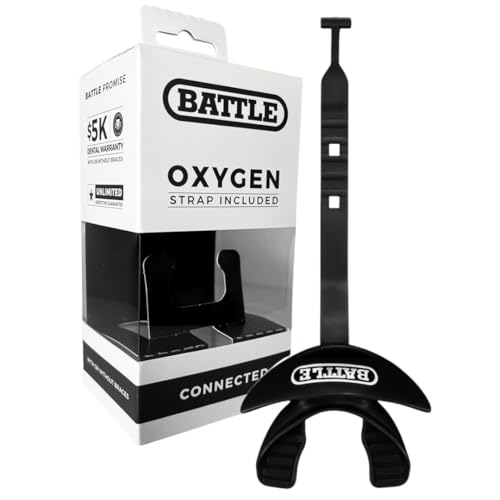
Battle Sports Oxygen Lip Protector Mouthguard
A lip shield covers the front teeth and inner lip, where many minor youth football injuries happen. Boil and bite fitting molds it to a player’s teeth at home in minutes. An open front design makes breathing and calling plays easier, so players actually keep it in.
Pros
- Shields lips and front teeth in one piece
- Home fitting takes only a few minutes
- Open design makes breathing and talking easier
Cons
- Bulkier up front than a plain guard
- Needs refitting once baby teeth are lost
How they stack up
| # | Model | Certification | Best for | Score | Price |
|---|---|---|---|---|---|
| 1 | Schutt Sports Youth Recruit Hybrid+ Football Helmet | NOCSAE certified | Best overall | 9.4 | Check price |
| 2 | Riddell Victor-i Youth Football Helmet | NOCSAE certified | Best value helmet | 9.2 | Check price |
| 3 | Wilson NFL MVP Junior Football | Junior | Best value ball | 9.0 | Check price |
| 4 | Schutt Sports Y-Flex 4.0 Youth Shoulder Pads | All purpose youth | Best shoulder pads | 8.8 | Check price |
| 5 | Cutters Rev Pro 5.0 Football Gloves | C-TACK grip material | Best for receivers | 8.6 | Check price |
| 6 | McDavid Rival Integrated Football Girdle | Hip, tailbone and thigh integrated | Best lower body protection | 8.3 | Check price |
| 7 | Battle Sports Oxygen Lip Protector Mouthguard | Boil and bite with lip shield | Best mouthguard | 8.0 | Check price |
How to choose
Why NOCSAE certification is non negotiable A youth helmet needs current NOCSAE certification, and most leagues will not let an uncertified player onto the field. Helmets have a service life, so a secondhand shell of unknown age carries real risk. Check the league rulebook first, since some organizations name approved models or a maximum helmet age directly.
Fit beats padding thickness every time Gear that moves does not protect, no matter how thick the padding is. A helmet should stay still on the head when twisted, and shoulder pads should sit on the shoulder rather than hang toward the arms. Buying a size up so it lasts two seasons is the most common youth football mistake, since oversized gear both fails to protect and slows a player down.
How ball size shapes a young player’s mechanics Footballs come in graduated sizes for a reason. Handing a nine year old a full size ball teaches poor mechanics, because small hands cannot reach the laces. A junior or pee wee ball builds a proper grip and throwing motion that scales up later. Composite covers on practice balls also survive wet grass and concrete better than leather.
What to buy first, and what leagues already supply Helmet and mouthguard come first, then shoulder pads, then lower body protection, then position specific extras like gloves. Many leagues issue the helmet and shoulder pads, so confirm what is supplied before spending anything. Cleats, a practice ball and a girdle are the usual family purchases, and gloves matter only once a player handles the ball regularly.
Frequently asked questions
What equipment does a youth football player actually need?
At minimum a certified helmet with facemask, a mouthguard, shoulder pads and lower body padding covering hips, tailbone, thighs and knees, plus cleats. Many leagues issue the helmet and shoulder pads, so confirm before buying either.
How do I know if a youth helmet fits correctly?
It should sit about a finger width above the eyebrows and not rotate when you turn it with both hands. Jaw pads should contact the cheeks firmly. If the helmet moves independently of the head, it is too loose regardless of the size on the label.
Should I buy gear a size larger so it lasts longer?
No. Oversized protective gear shifts on impact instead of protecting properly, and it also restricts movement. Buy what fits now and rely on the built in adjustment range as the player grows.
Is a boil and bite mouthguard good enough for kids?
For recreational play, yes, and a properly molded boil and bite worn consistently beats a custom guard left in a bag. Refit it whenever the player loses or gains teeth, since the mold will no longer seat correctly.
What size football should a young player use?
Pee wee for the youngest players, junior for roughly primary school age, then youth and finally official size for high school and up. The right size lets a player reach the laces with their throwing hand.
Do youth football players need gloves?
Not to start. Gloves help receivers and backs handle the ball, especially in cold or wet weather, but they optimize rather than protect. Prioritize fit and protection first.
How often should youth football equipment be replaced?
Helmets should be recertified or replaced on the manufacturer’s schedule, since they have a defined service life. Pads get replaced once they no longer fit or the padding has compressed. Mouthguards typically need replacing each season.
Is secondhand football equipment safe to buy?
Pads and girdles are usually fine if the padding is intact and the fit is right. Helmets are the exception, since impact history and remaining service life cannot be verified. Buy helmets new or through a league program that tracks recertification.
What is the difference between youth and adult football helmets?
Youth helmets use a shell geometry sized for a smaller head, not a scaled down adult shell, and they include a wider adjustment range for growth. Adult helmets assume a stable head size and prioritize position specific coverage instead.
The bottom line
Pick the Schutt Sports Youth Recruit Hybrid+ if the family is buying the helmet, since fit adjustment through a growth spurt is what makes a youth helmet last a season. The Riddell Victor-i works as a lighter, simpler alternative for younger players, and a Wilson NFL MVP Junior plus a properly fitted mouthguard covers what a beginner genuinely needs.
Derek Holt
Derek has a background coaching recreational and amateur athletes and has worked the sales floor at specialty fitness retailers. He focuses on equipment durability, ergonomics and realistic use cases rather than marketing claims.