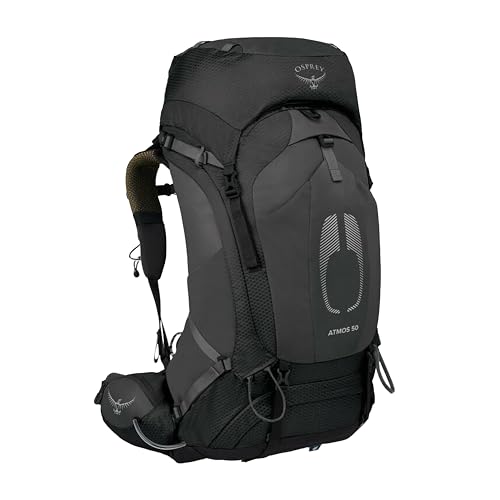
Foldable Hydration Backpacks for Family Camping Trips
For most families, the best foldable hydration backpack is the Osprey Hydraulics LT 2.5 because it combines a collapsible reservoir with a lightweight, packable design that suits day hikes and camping excursions. Its main advantage is the breathable back panel and adjustable sternum strap, which provide comfort during active use, but its main limitation is the smaller capacity for gear compared to bulkier packs.
When heading out for a family camping trip, staying hydrated is essential, especially for kids who are always on the move. A foldable hydration backpack lets you carry water without the bulk of a traditional pack, and it can be stashed away when not in use.
The right choice depends on your family’s needs: some prioritize extreme lightness, others need extra pockets for snacks and gear. We looked at real product specs and owner feedback to bring you a clear comparison.
Our top picks

Osprey Hydraulics LT 2.5
The Osprey Hydraulics LT 2.5 is a minimalist hydration pack with a 2.5-liter reservoir. It weighs just over half a pound, making it one of the lightest options. The back panel is breathable, and the sternum strap includes a magnetic bite valve keeper.
Pros
- Ultra-lightweight design
- Breathable back panel
- Magnetic bite valve keeper
Cons
- No extra storage for gear
- Reservoir is not insulated
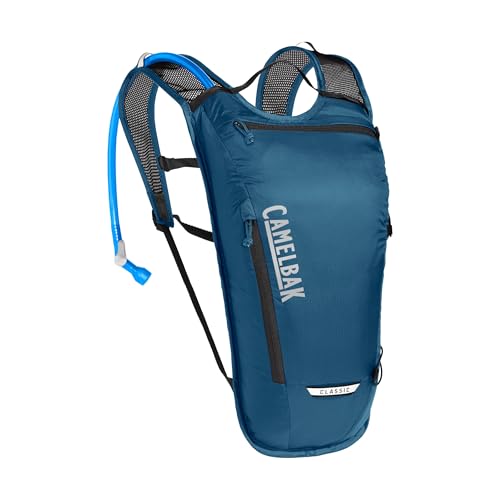
CamelBak Classic Light 2L
The CamelBak Classic Light 2L offers a straightforward design with a 2-liter Crux reservoir that delivers 20 percent more water per sip. It has a small zippered pocket for keys or a phone, and the harness is adjustable for a secure fit.
Pros
- Affordable and reliable
- High-flow bite valve
- Lightweight and packable
Cons
- No insulation
- Small storage capacity

HydraPak Stow 2L
The HydraPak Stow 2L is a collapsible flask that rolls up when empty, fitting in your palm. It is not a full backpack but can be carried with a shoulder strap or clipped to a pack. The bite valve is self-sealing, and the cap is quick-release.
Pros
- Ultra-compact when empty
- Extremely lightweight
- Easy to clean
Cons
- No back support
- Can be awkward to carry when full

Salomon Agile 2 Set
The Salomon Agile 2 Set is a vest-style hydration pack with a 2-liter bladder. It features multiple stretch pockets for flasks and gear, and the Sensifit construction wraps comfortably around the torso. It is designed for high activity.
Pros
- Secure vest fit
- Many pockets for small items
- Breathable and moisture wicking
Cons
- More complex to put on
- Bladder tube can be tricky to route

Voyager 2L Hydration Backpack
This affordable foldable backpack includes a 2-liter bladder and a roomy main compartment. The pack folds into its own pocket for storage. It has adjustable straps and a hip belt, making it suitable for longer family walks.
Pros
- Generous storage space
- Folds into itself
- Includes hip belt
Cons
- Heavier than other options
- Bladder quality is basic

CamelBak MULE 5
The CamelBak MULE 5 is a slightly larger hydration pack with 5 liters of cargo space and a 2.5-liter reservoir. It has multiple pockets and attachment points, making it versatile for family outings. The harness is adjustable and comfortable.
Pros
- Ample storage for snacks and layers
- Durable construction
- Easy to access pockets
Cons
- Heavier when fully packed
- Not as packable when empty

USWE Pace 2
The USWE Pace 2 is a minimalist hydration vest with a 2-liter bladder. Its patented No Dancing Monkey system keeps the pack stable during vigorous movement. It has a front pocket for phone and keys.
Pros
- Very stable fit
- Lightweight and minimal
- Great for running or biking
Cons
- Limited storage
- Expensive for the features
How to pick the right one
The lineup, side by side
| # | Model | Capacity | Best for | Score | Price |
|---|---|---|---|---|---|
| 1 | Osprey Hydraulics LT 2.5 | 2.5 liters | Best overall for lightweight comfort | 9.4 | Check price |
| 2 | CamelBak Classic Light 2L | 2 liters | Best budget pick for simple hydration | 9.1 | Check price |
| 3 | HydraPak Stow 2L | 2 liters | Best for extreme packability | 9.0 | Check price |
| 4 | Salomon Agile 2 Set | 2 liters | Best for active families who run or hike fast | 8.8 | Check price |
| 5 | Voyager 2L Hydration Backpack | 2 liters | Best value with extra storage | 8.6 | Check price |
| 6 | CamelBak MULE 5 | 2.5 liters | Best for carrying extra gear for kids | 8.4 | Check price |
| 7 | USWE Pace 2 | 2 liters | Best for secure fit on bumpy terrain | 8.0 | Check price |
Good to know
How do I clean a hydration backpack?
Most reservoirs can be cleaned with warm water and a mild soap or baking soda. Use a cleaning brush to scrub the inside. Always air dry thoroughly with the cap open. Some reservoirs are top rack dishwasher safe, but check the manufacturer’s instructions.
Can a foldable hydration backpack be used for other activities?
Yes, they are versatile and can be used for cycling, running, or day trips to the park. Their lightweight nature makes them easy to pack in a larger suitcase or duffel for vacations.
How much water should each family member carry?
A general guideline is about 0.5 liters per hour of moderate activity. For a half-day hike, 2 liters per person is usually adequate. Kids may need less, but they often drink more frequently, so easy access is important.
Are hydration backpacks safe for children?
Yes, but it is essential to choose a pack that fits properly and does not exceed a comfortable weight. Look for packs with adjustable straps and a sternum or hip belt to distribute weight. Always supervise young children.
What is the difference between a hydration pack and a hydration vest?
A hydration pack typically has a backpack style with a main compartment for gear, while a hydration vest is more form-fitting and designed for running or fast activities. Vests often have more front pockets and less storage capacity.
Can I put ice in the reservoir to keep water cold?
Yes, you can add ice cubes or use an insulated reservoir cover. Some reservoirs, like the CamelBak Crux, have insulated tubes to keep water cooler. However, ice may dilute the water as it melts, but that is usually not a problem.
How do I know if a hydration pack fits well?
The pack should sit comfortably on your shoulders and not bounce or shift when you move. The sternum strap should be at chest level, and the hip belt (if present) should rest on your hip bones. Adjust all straps to avoid chafing.
Are there any maintenance tips for the bite valve?
To prevent leaks, always close the bite valve after drinking. On many valves, you can slide a lever to lock it. Clean the valve regularly by soaking it in warm soapy water and using a small brush to remove debris.
Can I use a foldable hydration pack for a long day hike?
Yes, but you may need to supplement with additional water bottles or plan for refills. Consider a pack that allows you to carry extra gear like snacks and a first aid kit. The CamelBak MULE is a good choice for such trips.
What is the best way to store a hydration backpack when not in use?
Always empty and dry the reservoir completely to avoid mold. For the pack, fold it according to the manufacturer’s instructions and store it in a cool, dry place. Avoid leaving it in a hot car as heat can damage materials.
Our take
For most families, the Osprey Hydraulics LT 2.5 is the top pick because it balances light weight with a reliable reservoir and comfortable fit. If you need extra storage for kids’ gear, the CamelBak MULE 5 is a solid alternative. For those who prioritize ultra-packability, the HydraPak Stow is an excellent choice, but it lacks back support. Choose based on your primary activity and storage needs.
Derek Holt
Derek has a background coaching recreational and amateur athletes and has worked the sales floor at specialty fitness retailers. He focuses on equipment durability, ergonomics and realistic use cases rather than marketing claims.