Fitness Trackers Compared on Battery Life and Accuracy
Fitbit Charge 6 leads the group with built-in GPS and dependable heart-rate tracking in a slim band. Garmin Vivosmart 5 suits anyone who wants deep metrics without a subscription. Amazfit Band 7 offers the longest battery life and lowest price for a first tracker.
Fitbit Charge 6 is the top pick for most people, pairing built-in GPS with reliable heart-rate data and a readable screen. Garmin Vivosmart 5 appeals to anyone who wants detailed metrics for free. Amazfit Band 7 wins on budget, stretching battery life well past a week.
Sensor quality, app subscriptions and battery life vary widely between fitness tracker brands, which makes specs alone a poor guide. We compared listed specifications and owner feedback across seven current bands, weighting the comparison toward features that affect daily wear rather than marketing claims.
The best picks, ranked
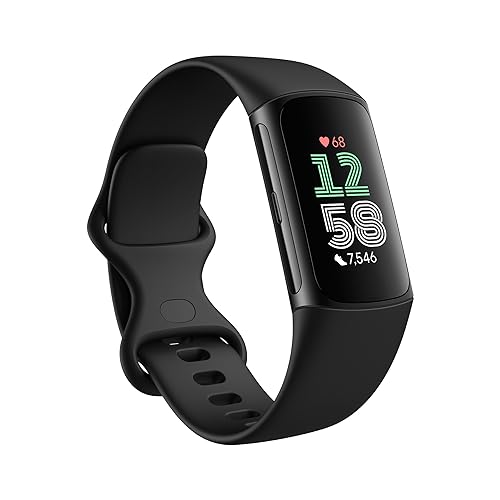
Fitbit Charge 6
Built-in GPS maps runs and rides without a phone in your pocket. Google apps extend Fitbit’s established health tracking further than earlier Charge models. Owners praise the balance of a slim band, bright AMOLED screen and dependable heart-rate readings.
Pros
- Built-in GPS
- Reliable heart-rate data
- Bright readable screen
Cons
- Some features need subscription
- Proprietary charger
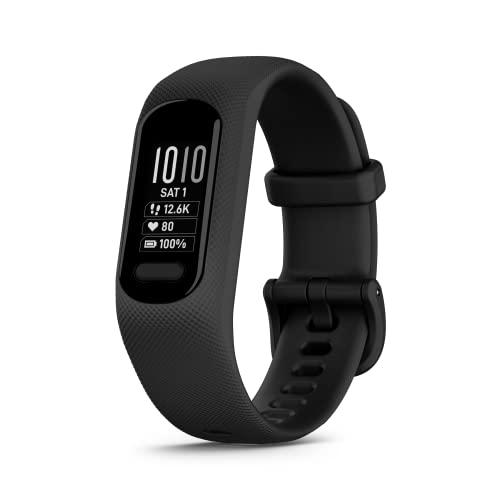
Garmin Vivosmart 5
Body Battery and detailed sleep tracking come free of any subscription, unlike several rivals here. Garmin leans on its established health-metrics engine rather than a flashy screen. Owners like the slim, comfortable design for around-the-clock wear.
Pros
- Deep free metrics
- Comfortable all-day fit
- No subscription needed
Cons
- No onboard GPS
- Small display

Amazfit Band 7
An 18-day battery claim is the standout figure at this price. A large 1.47-inch AMOLED screen stays easy to read outdoors. Owners find it a strong first tracker for steps, sleep and basic workout tracking without a steep learning curve.
Pros
- Very long battery life
- Large bright screen
- Low price
Cons
- App less polished
- No onboard GPS

Fitbit Inspire 3
Fitbit’s core step, sleep and heart-rate tracking fits into a lighter band than the Charge 6. Battery life stretches to about 10 days between charges. Owners recommend it for anyone who wants simple daily tracking without extra bulk or a steep price.
Pros
- Light and comfortable
- Good battery life
- Simple daily tracking
Cons
- No built-in GPS
- Premium features gated

Whoop 4.0
No screen sits on this band at all; strain, recovery and sleep coaching live entirely in the app. A membership fee covers the software, which frustrates casual users but rewards committed trainers. Owners value the detailed recovery scores enough to accept the ongoing cost.
Pros
- Deep recovery insights
- Comfortable screenless band
- Continuous heart-rate
Cons
- Requires membership
- No on-band display

Samsung Galaxy Fit3
A 1.6-inch display pairs with tight Samsung Health integration that Android owners find seamless. Battery life runs up to 13 days on a charge. Quick workout tracking and a large, clear screen round out an easy daily band for anyone already inside the Samsung ecosystem.
Pros
- Large clear display
- Smooth Android sync
- Long battery life
Cons
- Best with Samsung phones
- No onboard GPS
Xiaomi Smart Band 8
Many workout modes and a bright AMOLED screen come at a low entry price. Battery life stretches to around 16 days, so charging rarely interrupts sleep tracking. Owners like it as an approachable, no-fuss tracker for anyone new to wearables.
Pros
- Affordable price
- Many workout modes
- Long battery life
Cons
- App can feel busy
- No onboard GPS
How to pick the right one
Which fitness tracker metrics do you actually use? Trackers range from simple step counters to platforms scoring strain, recovery and stress. A value band covers steps, sleep and heart rate well enough for most people. Data-driven trainers get more from Garmin or Whoop, so pick based on the numbers you will genuinely act on rather than the longest spec sheet.
Do you need built-in GPS or a subscription? Built-in GPS, like the Charge 6 offers, maps runs without a phone, while connected GPS relies on carrying one. Read the fine print on subscriptions too, since some brands lock deeper insights behind a monthly fee. Factor that ongoing cost into the decision, not just the sticker price.
How much battery life do you actually need? Battery life ranges from a few days to over two weeks across the models here. Longer life means less charging friction and steadier sleep-tracking data, since a dead band overnight breaks the record. Bands like the Amazfit Band 7 and Xiaomi Smart Band 8 stretch far past feature-heavy rivals.
How much do comfort and app ecosystem matter? A tracker only helps if you actually wear it, so band comfort and screen readability count for more than a spec sheet suggests. Ecosystem fit matters too: Samsung Health suits Android users tightly, while Fitbit and Garmin apps work well across platforms. Match the app you will check daily to the phone you already own.
How they compare
| # | Model | Display | Best for | Score | Price |
|---|---|---|---|---|---|
| 1 | Fitbit Charge 6 | Color AMOLED | Best overall | 9.4 | Check price |
| 2 | Garmin Vivosmart 5 | OLED touchscreen | Best for data fans | 9.1 | Check price |
| 3 | Amazfit Band 7 | 1.47 in AMOLED | Best budget | 8.8 | Check price |
| 4 | Fitbit Inspire 3 | Color AMOLED | Best value | 8.9 | Check price |
| 5 | Whoop 4.0 | None, app based | Best for recovery | 8.6 | Check price |
| 6 | Samsung Galaxy Fit3 | 1.6 in AMOLED | Best for Android | 8.7 | Check price |
| 7 | Xiaomi Smart Band 8 | 1.62 in AMOLED | Best for beginners | 8.5 | Check price |
Common questions
Do I need built-in GPS in a fitness tracker?
Only if you run, cycle or hike and want accurate distance without carrying a phone. The Fitbit Charge 6 has built-in GPS, while most slim bands rely on your phone’s GPS. Connected GPS is usually enough for gym and everyday use.
Are fitness trackers accurate?
Step counts and heart rate are generally reliable for spotting trends, though wrist sensors can lag during intense intervals. Based on product specifications, optical heart-rate and SpO2 readings work best for tracking patterns over time rather than as medical measurements.
Do fitness trackers require a subscription?
Some do for advanced features. Whoop runs on a membership model, and Fitbit gates certain insights behind Premium, while Garmin offers most metrics free. Check what is included before buying so ongoing costs do not surprise you.
How long do fitness tracker batteries last?
It varies widely. Feature-heavy bands with bright screens last around a week, while efficient models like the Amazfit Band 7 and Xiaomi Smart Band 8 can run over two weeks. Longer battery life makes continuous sleep tracking easier to maintain.
Can a fitness tracker measure sleep well?
Most track sleep stages and duration using movement and heart rate, and owners find the trends useful for spotting patterns. Recovery-focused bands like Whoop go deeper still. No wrist device replaces a clinical sleep study, but the patterns are genuinely helpful.
Which fitness tracker is best for Android users?
The Samsung Galaxy Fit3 integrates tightly with Samsung Health and pairs smoothly with Android phones. Fitbit and Garmin apps also work well on Android, so Samsung owners are not the only ones with good options.
Is a fitness tracker or a smartwatch better?
Trackers are lighter, cheaper and last longer on a charge, focusing narrowly on health metrics. Smartwatches add apps, calls and larger screens at a higher cost. A band is the better fit if you mainly want fitness data with long battery life.
Are fitness trackers waterproof?
Most modern bands, including the models here, carry water resistance suitable for showering and swimming. Always confirm the rating for your chosen model before submerging it, and rinse the band after pool or salt water exposure.
What is the best fitness tracker without a subscription?
Garmin Vivosmart 5 delivers Body Battery, stress and sleep metrics with no monthly fee, which sets it apart from Whoop and parts of the Fitbit lineup.
Our pick
Fitbit Charge 6 is the best all-round choice, combining built-in GPS with dependable health tracking in a slim band. Data-focused users should consider the subscription-free Garmin Vivosmart 5. Amazfit Band 7 gives newcomers long battery life at a low price, so match the metrics you will actually use to the app tied to your phone.
Derek Holt
Derek has a background coaching recreational and amateur athletes and has worked the sales floor at specialty fitness retailers. He focuses on equipment durability, ergonomics and realistic use cases rather than marketing claims.


