Top Film Choices for Stunning Portrait Photography
Kodak Portra 400 stands out as the top pick for portrait photographers who prioritize natural skin tones and fine grain. Its wide exposure latitude forgives mistakes, making it ideal for both studio and outdoor shoots. However, its higher cost and need for good light can be limiting.
Choosing the right film for portraits can dramatically affect the mood and feel of your images. Each film has a unique personality, from warm and muted to vibrant and contrasty.
This guide breaks down the best options available today, helping you match a film to your shooting style and lighting conditions.
The top picks, ranked

Kodak Portra 400
Kodak Portra 400 is a professional color negative film beloved for its ultra-fine grain and accurate skin tones. It handles a wide range of lighting conditions with ease, making it a favorite for portrait and wedding photographers.
Pros
- Natural, lifelike skin tones
- Very fine grain for a 400 speed film
- Excellent exposure latitude
Cons
- More expensive than other consumer films
- Can be contrasty in harsh light

Fujifilm Pro 400H
Fujifilm Pro 400H is a professional color negative film known for its soft, pastel-like tones and smooth transitions. It renders skin with a gentle, creamy feel, ideal for wedding and lifestyle portraits.
Pros
- Beautiful, understated color palette
- Fine grain and excellent sharpness
- Very forgiving with highlights
Cons
- Discontinued, but still available in some markets
- Cooler tones may not suit all skin types

Kodak Portra 160
Kodak Portra 160 is a lower-speed version of the iconic Portra line, offering even finer grain and slightly more saturated colors. It excels in controlled lighting environments like studios, where its low ISO is not a drawback.
Pros
- Extremely fine grain
- Rich color reproduction
- Great for scanning and enlargements
Cons
- Needs good lighting or tripod
- Similar price to Portra 400

Ilford HP5 Plus
Ilford HP5 Plus is a versatile black and white film with a classic look. It offers a balanced contrast and a noticeable but pleasing grain that adds a timeless character to portraits.
Pros
- Classic B&W aesthetic
- Flexible push processing
- Widely available and affordable
Cons
- Grain may be too strong for some
- Requires different development process
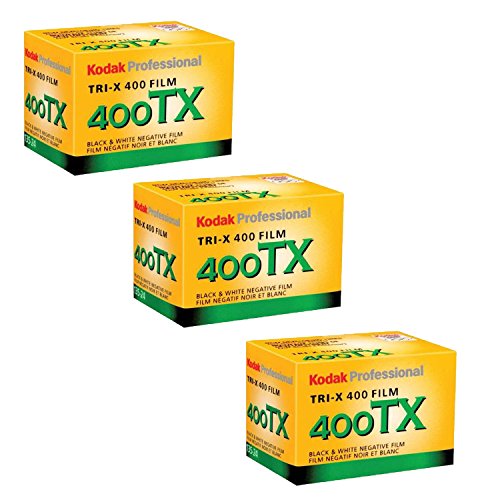
Kodak Tri-X 400
Kodak Tri-X 400 is an iconic black and white film with a legendary reputation. It produces bold, gritty images with pronounced grain and high contrast, perfect for dramatic portraits.
Pros
- High contrast and sharpness
- Well-known push processing capabilities
- Timeless look
Cons
- Grain might be too heavy for fine art
- Less forgiving with exposure

Cinestill 800T
Cinestill 800T is a tungsten-balanced color film derived from motion picture stock. It delivers cinematic halation effects and a unique color palette, excelling in low-light and neon-lit environments.
Pros
- Unique halation and glow
- Excellent for low light
- Cinematic color tones
Cons
- Tungsten balance requires filters in daylight
- Can have red halation around highlights
Fujifilm Superia X-Tra 400
Fujifilm Superia X-Tra 400 is a consumer-grade color negative film that offers vibrant colors and a decent grain structure at an affordable price. It is a popular choice for casual portraits and street photography.
Pros
- Very affordable
- Vibrant colors
- Widely available in drugstores
Cons
- Skin tones can be less accurate
- Grain is more noticeable than professional films
Before you buy
How they stack up
| # | Model | ISO | Best for | Score | Price |
|---|---|---|---|---|---|
| 1 | Kodak Portra 400 | 400 | Natural skin tones and flexibility | 9.4 | Check price |
| 2 | Fujifilm Pro 400H | 400 | Soft pastels and smooth gradients | 8.9 | Check price |
| 3 | Kodak Portra 160 | 160 | Studio and low-speed shooting | 9.0 | Check price |
| 4 | Ilford HP5 Plus | 400 | Classic black and white portraits | 8.7 | Check price |
| 5 | Kodak Tri-X 400 | 400 | Bold contrast and timeless look | 8.6 | Check price |
| 6 | Cinestill 800T | 800 | Moody, cinematic portraits at night | 8.4 | Check price |
| 7 | Fujifilm Superia X-Tra 400 | 400 | Budget-friendly everyday portraits | 8.0 | Check price |
Good to know
What is the best film for beginner portrait photographers?
For beginners, Kodak Portra 400 is highly recommended because its wide exposure latitude forgives mistakes. It produces beautiful skin tones right out of the box, making it easy to get great results.
How does film ISO affect portrait photography?
ISO affects the film’s sensitivity to light. Lower ISO (e.g., 160) requires more light but produces finer grain. Higher ISO (e.g., 800) is better in low light but may show more grain. For portraits, choose based on your lighting conditions and desired grain.
Is black and white film still relevant for portraits?
Absolutely. Black and white film offers a classic, timeless aesthetic that many photographers and clients love. It emphasizes form, texture, and contrast, which can be very flattering for portraits.
What is the difference between color negative and slide film?
Color negative film (like Portra) is designed for printing and scanning, with a wide exposure latitude. Slide film (like Ektachrome) produces a positive image on the film itself, with high contrast and vivid colors, but it has less exposure latitude and is less forgiving.
Can portrait film be pushed or pulled?
Yes, many films can be pushed (underexposed and developed longer) to increase ISO, or pulled (overexposed and developed shorter) to decrease ISO. This changes contrast and grain. Films like Tri-X and HP5 are known for good pushability.
Why is Kodak Portra so popular for portraits?
Kodak Portra is popular because it is specifically engineered for accurate skin tones, fine grain, and excellent exposure latitude. It provides a natural, flattering look that requires minimal color correction.
What film is best for outdoor portraits in bright sunlight?
For bright sunlight, a lower ISO film like Kodak Portra 160 or Ilford Pan F 50 works well. These films have fine grain and produce sharp, detailed images without overexposure issues.
How should I store my portrait film?
Store film in a cool, dry place, ideally in a refrigerator to extend its life. Allow the film to warm up to room temperature before loading it into your camera to avoid condensation. Avoid extreme heat and humidity.
The verdict
For most portrait photographers, Kodak Portra 400 is the clear winner, offering the best balance of skin tones, grain, and flexibility. If you are on a budget and want a color film, Fujifilm Superia X-Tra 400 is a solid choice. For a classic black and white look, Ilford HP5 Plus is a versatile option that never disappoints.
Marcus Chen
Marcus covered consumer electronics for enthusiast tech publications for six years before joining ChoiceCrest. He specializes in translating manufacturer spec sheets into plain-language buying advice, with a focus on audio, computing accessories and smart-home gear.


