How to Choose an Elliptical for Small Indoor Spaces
Sole E25 is the best elliptical for indoor use, pairing a heavy frame with quiet operation and a full stride. Horizon Fitness EX-59 fits smaller rooms at a lower resistance count. Cubii Move suits apartments with almost no floor space, sliding under a desk instead of standing free.
Small rooms punish a bad elliptical choice fast, since bulk and noise show up immediately in shared living spaces. Sole E25 handles that best, built heavy enough to stay steady without shaking the floor. Horizon Fitness EX-59 answers the same question in tighter quarters, and Cubii Move works when almost no free floor exists at all.
Indoor buyers face two specs listings rarely highlight clearly: assembled footprint and step up height, since a tall stride can brush a low ceiling. We compared seven currently sold machines on published dimensions, flywheel weight, drive type and stride length, plus what owners report about floor noise and how easily each machine gets moved.
What to look for
How much room does an elliptical actually need indoors? Assembled footprint only tells part of the story since the stride extends further back than the frame suggests. Add roughly two feet of clearance behind the pedals for a full stride. Step up height matters too, because it lifts a user several inches off the floor. Compare your own height plus that lift against ceiling height before buying for a basement or loft.
Does an elliptical disturb people in the room below? Magnetic resistance itself runs quiet, so most complaints trace back to vibration transmitted through the floor instead. A heavy, rigid frame like the Sole E25 or Niceday flexes less under load, which cuts that transmission. Placing any machine on a proper equipment mat reduces vibration further than a stated decibel rating ever will. Light, budget frames flex more, and that flex is what carries downstairs.
What makes an elliptical feel smooth instead of jerky indoors? Flywheel weight carries momentum through the dead spots in each stride, smoothing out the motion. That single spec separates a fluid budget machine from a jerky one more than resistance level count does. Between two models with similar footprints, the heavier flywheel usually wins for indoor comfort. Prioritize it after stride length once ceiling clearance already checks out.
Can you move or store a home elliptical easily? Most full size ellipticals do not fold, so plan for a permanent spot rather than a temporary one. Transport wheels roll across hardwood or tile but barely help on carpet. A compact model such as the Sunny Health SF-E3912 suits households that need to shift it occasionally. Where floor space disappears entirely, a seated unit like the Cubii Move solves the problem a different way.
The best picks, ranked

Sole E25 Elliptical Machine
Sole builds this on a heavy steel frame, which is why it does not sway or click during long intervals. A 20 inch stride suits most adult heights without cramping the knees. Weight keeps it planted for indoor use, though that same weight makes repositioning a two person job.
Pros
- Frame stays rigid under hard effort
- 20 inch stride fits tall and average users
- Runs quietly enough for shared rooms
Cons
- Heavy build resists repositioning alone
- Console lacks a touchscreen display

Horizon Fitness EX-59 Elliptical
Horizon trims the footprint without cutting stride length to an uncomfortable size, the usual tradeoff at this tier. Console buttons switch resistance fast enough for interval training. Bedrooms and converted offices suit this machine better than an open basement.
Pros
- Stride stays comfortable despite the compact base
- Resistance changes respond quickly for intervals
- Assembly instructions are straightforward
Cons
- Fewer resistance levels than pricier rivals
- Console skips guided workout programs

Cubii Move Under Desk Elliptical
Cubii slides under a desk or in front of a sofa, claiming roughly the footprint of a briefcase. Motion stays quiet enough to run during a video call. Intensity tops out lower than a standing machine, which is the tradeoff for that tiny footprint.
Pros
- Fits apartments with zero spare floor space
- Quiet enough for calls or shared rooms
- Needs no assembly out of the box
Cons
- Skips upper body engagement entirely
- Maximum intensity stays well below full machines

NordicTrack Commercial 14.9 Elliptical
A large touchscreen runs trainer led sessions that adjust resistance and incline automatically mid workout. Build quality holds up to daily use without loosening. Indoors, though, it demands a dedicated spot since it neither folds nor moves easily.
Pros
- Touchscreen sessions adjust resistance automatically
- Commercial grade frame suits daily training
- Incline ramp adds workout variety indoors
Cons
- Full session library needs a subscription
- Footprint suits a dedicated room, not a shared one
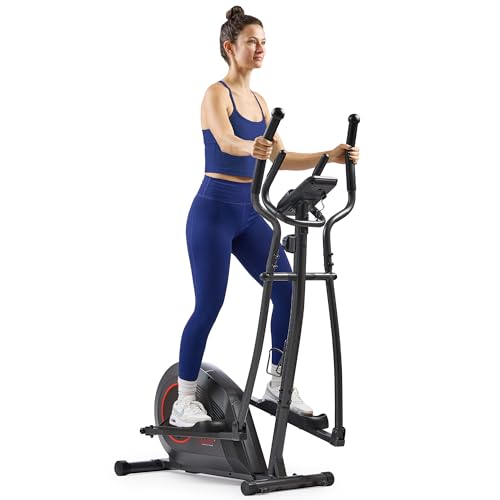
Schwinn 430 Elliptical Machine
Schwinn’s mid tier machine balances stride comfort, twenty resistance levels and dual tracking displays. Magnetic resistance keeps operation quieter than budget models nearby. A household sharing one machine gets steady value from this over years of regular use.
Pros
- Comfortable stride across most adult heights
- Twenty resistance levels covers varied workouts
- Magnetic resistance runs quieter than budget picks
Cons
- Assembly takes longer than smaller machines
- Full stride needs clearance behind the frame
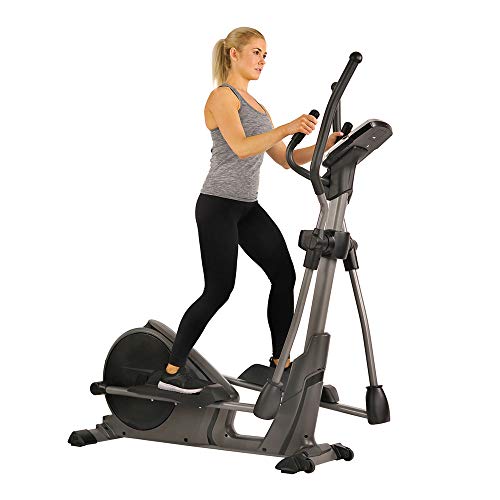
Sunny Health & Fitness SF-E3912 Magnetic Elliptical
This compact magnetic elliptical covers steady cardio in a small room without a large outlay. Tall users notice the shorter stride length right away. A tension dial swaps resistance manually instead of console buttons.
Pros
- Low cost fits a tight household budget
- Compact footprint suits small rooms
- One person can reposition it alone
Cons
- Short stride cramps taller users
- Dial resistance is hard to repeat precisely

Niceday Elliptical Machine
A heavy flywheel and belt drive keep vibration low, which matters most when someone lives in the unit below. Sixteen magnetic resistance levels adjust smoothly through a session. A tablet holder covers entertainment despite the basic console.
Pros
- Vibration through floors stays low for neighbors
- Sixteen resistance levels shift smoothly
- Transport wheels ease repositioning indoors
Cons
- Stride runs shorter than premium models
- Console skips built in workout programs
How they stack up
| # | Model | Stride length | Best for | Score | Price |
|---|---|---|---|---|---|
| 1 | Sole E25 Elliptical Machine | 20 inches | Best overall | 9.4 | Check price |
| 2 | Horizon Fitness EX-59 Elliptical | 18 inches | Best value for small rooms | 9.2 | Check price |
| 3 | Cubii Move Under Desk Elliptical | Seated under desk elliptical | Best under desk option | 9.0 | Check price |
| 4 | NordicTrack Commercial 14.9 Elliptical | Variable with incline | Best for guided workouts | 8.7 | Check price |
| 5 | Schwinn 430 Elliptical Machine | 20 inches | Best for shared household use | 8.5 | Check price |
| 6 | Sunny Health & Fitness SF-E3912 Magnetic Elliptical | Short, compact | Best budget | 8.2 | Check price |
| 7 | Niceday Elliptical Machine | 16 inches | Best for quiet apartments | 8.0 | Check price |
Frequently asked questions
How much space does an elliptical need indoors?
Plan for the assembled footprint plus about two feet behind the pedals and a foot to each side. Compact models still need that rear clearance since the stride swings past the frame.
Will an elliptical disturb neighbors below?
Vibration through the floor, not the resistance mechanism, causes most complaints. A heavy frame paired with a thick equipment mat cuts transmission well below what a decibel rating implies.
Do ellipticals fold up for storage?
Most full size machines stay fixed and never fold flat. Under desk units like the Cubii Move store easily, while a few compact models are light enough to tip aside.
What ceiling height does an elliptical require?
Add your height to the machine’s step up height, then allow a few extra inches for pedal rise at the top of the stride. Basements and sloped ceilings run into this limit most often.
Is an elliptical better than an exercise bike for a small room?
Bikes take less floor space and carry no ceiling clearance risk. Ellipticals engage more muscle groups while staying low impact, so the decision often comes down to available room.
Do I need a mat under an indoor elliptical?
Yes. A mat protects flooring, dampens vibration transfer and keeps a machine from creeping across the room during a hard session.
How heavy are ellipticals to assemble at home?
Assembled weight commonly passes a hundred pounds on full size models, with the shipping box weighing more. Two people and assembling in the final spot makes the job easier.
Which elliptical works best in an apartment?
Niceday and Sole E25 both pair a heavy flywheel with a belt drive, which keeps vibration low for neighbors below. Cubii Move suits units with no spare floor space at all.
Can an elliptical fit under a desk?
Yes, seated under desk models like the Cubii Move slide beneath a standard desk and run quietly enough for a work call, though intensity stays lower than a standing machine.
How much maintenance does an indoor elliptical need?
Very little upkeep is needed. Keeping bolts tight, wiping down the rails and checking pedal hardware periodically covers most belt driven magnetic machines.
The verdict
Sole E25 suits most homes since it stays smooth, quiet and sturdy enough for daily use. Horizon Fitness EX-59 answers the same brief in a smaller room without losing stride comfort. When floor space truly runs out, Cubii Move remains the practical answer.
Derek Holt
Derek has a background coaching recreational and amateur athletes and has worked the sales floor at specialty fitness retailers. He focuses on equipment durability, ergonomics and realistic use cases rather than marketing claims.