How to Choose an Electric Bike as a First Time Rider
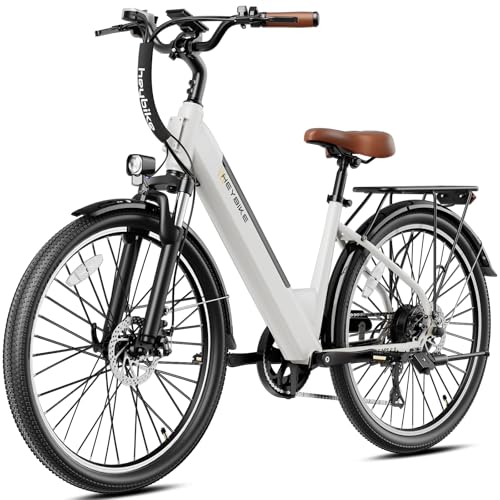
Aventon Pace 500.3 leads for beginners, since its torque sensor delivers assist smoothly instead of switching on abruptly. Heybike Mars 2.0 folds for small apartments and car boots, and Schwinn Coston DX keeps the ride feeling like an ordinary bicycle.
Aventon Pace 500.3 is the electric bike most new riders should start with, thanks to a torque sensor that builds power gradually. Heybike Mars 2.0 suits anyone short on storage, while Schwinn Coston DX keeps the geometry of an ordinary bicycle. Each delivers assist gently rather than lurching from a stop.
Top speed dominates most e-bike listings, yet it matters least to a nervous first-time rider. What actually decides whether someone keeps riding is how assist builds in, whether both feet reach the ground at a stop, and whether the brakes match the extra weight. We compared published motor and battery specifications, frame geometry and brake hardware, then weighed that against what owners report about assembly and dealer support.
What matters most
How assist type changes the ride for new riders Cadence sensors detect that pedals are turning, then switch the motor on, which can lurch just as you pull from a stop. Torque sensors measure how hard you push and scale power to match effort. That difference is the single biggest factor in whether a first e-bike feels controllable in traffic.
Frame height and stopping with both feet down An electric bike weighs close to double a normal bicycle, so planting both feet at a red light matters more than usual. Step-through frames, like those on the Aventon Pace 500.3 and sixthreezero EVRYjourney, lower that standover height considerably. Check doorway width and stair access too, since these bikes are bulky to move indoors.
Brakes should scale with the extra weight Hydraulic disc brakes need less hand force and keep working consistently in wet weather. Mechanical discs, fitted to the Schwinn Coston DX, require a firmer squeeze and more frequent cable adjustment. Whatever a bike ships with, practice an emergency stop somewhere quiet before riding in traffic.
Why claimed range rarely matches your first rides Manufacturers test range on flat ground, mild weather and the lowest assist setting, usually with a light rider. Hills, cold temperatures and higher assist cut that figure by roughly a third to a half in normal use. Buy for the range you need on a bad day, not the number printed on the box.
Our top picks

Aventon Pace 500.3 Step-Through
A torque sensor drives this bike’s assist, so power builds with pedal effort instead of snapping on at a stop. Riders notice the difference most at junctions, where sudden power feels unsettling. Integrated lights and a step-through aluminium frame round out a commuter built for new riders.
Pros
- Torque sensor scales power with pedal effort
- Step-through frame lowers standover height
- Hydraulic disc brakes handle the added weight
Cons
- Heavier than a standard hybrid bicycle
- Needs a wall hook or stand for storage

Heybike Mars 2.0 Folding Electric Bike
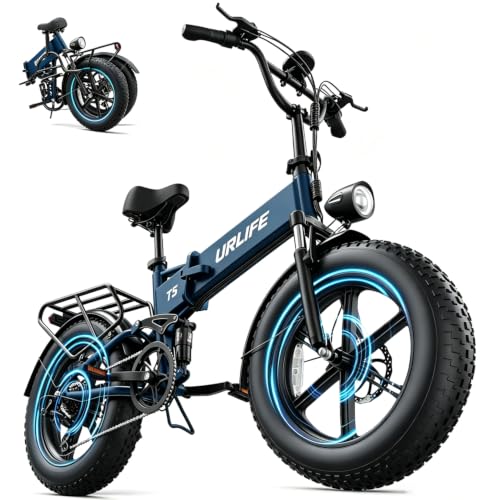
Folding brings this bike down to fit a hallway cupboard or a car boot, solving the storage problem many first-time buyers face. Fat tyres soak up potholes and give new riders a planted, stable feel. Front suspension smooths rough tarmac, though the folded bike stays heavy to carry up stairs.
Pros
- Folds small enough for flats and car boots
- Fat tyres feel stable over broken pavement
- Front suspension softens rough tarmac
Cons
- Heavy to lift once folded
- Fat tyres add rolling resistance on smooth roads

Schwinn Coston DX Electric Hybrid Bike
Schwinn kept the Coston DX close to a conventional hybrid shape, so returning cyclists get a familiar riding position with electric help on hills. Assist levels sit within thumb’s reach of the handlebar grip. Nothing about the layout feels like a gadget, which suits riders wary of new technology.
Pros
- Familiar hybrid geometry and riding position
- Simple bar-mounted controls
- Serviceable at most ordinary bike shops
Cons
- 250W motor output fades on steep hills
- Mechanical brakes need firmer lever pressure

sixthreezero EVRYjourney Electric Bike
Swept-back bars and a wide saddle put riders in a very upright position, comfortable for anyone who found sport bikes punishing. Sitting upright also improves sightlines in traffic. Mounting stays easy thanks to the low step-through frame, though the position catches more wind at speed.
Pros
- Upright position eases wrist and back strain
- Low step-through frame simplifies mounting
- Better visibility sitting upright in traffic
Cons
- Wind resistance increases at higher speed
- Not suited to long, hilly rides

Vivi Folding Electric Bike
Vivi covers the basics of a folding e-bike at a noticeably lower cost than established brands, useful for testing whether riding sticks. Cadence assist switches on less smoothly than a torque sensor, since it reacts to pedal motion rather than pedal force. Owners report having a local shop inspect the build before the first ride.
Pros
- Lowest-cost way to try an electric bike
- Folds down for easy storage
- Simple single-button operation
Cons
- Cadence assist engages abruptly
- Basic components benefit from a pre-ride shop check

Jetson Bolt Pro Folding Electric Bike
Small 14-inch wheels and a throttle make this closer to a compact runabout than a full-size bicycle. Storing it takes little space, and it stays light enough to carry around an apartment. Smooth pavement suits it far better than rough lanes, since small wheels transmit more road buzz.
Pros
- Easy to store and carry indoors
- Throttle makes starts effortless
- Simple layout for absolute beginners
Cons
- Small wheels feel harsh on rough roads
- Limited range for longer rides

ANCHEER 500W Electric Mountain Bike
Front suspension and knobbly 26-inch tyres let this ANCHEER model handle gravel paths as easily as pavement. Gearing still works when the battery runs low, unlike throttle-only bikes. Cadence-based assist gives a firmer kick on engagement than a torque sensor would.
Pros
- Handles gravel and park trails confidently
- Suspension absorbs ruts and bumps
- Usable gear range without battery assist
Cons
- Cadence assist engagement feels less smooth
- Heavier and bulkier to store than street bikes
How they compare
| # | Model | Assist type | Best for | Score | Price |
|---|---|---|---|---|---|
| 1 | Aventon Pace 500.3 Step-Through | Torque sensor | Best overall | 9.4 | Check price |
| 2 | Heybike Mars 2.0 Folding Electric Bike | Folding aluminium | Best for small spaces | 9.2 | Check price |
| 3 | Schwinn Coston DX Electric Hybrid Bike | Hybrid commuter | Best for familiar handling | 9.0 | Check price |
| 4 | sixthreezero EVRYjourney Electric Bike | Upright cruiser | Best for comfort | 8.8 | Check price |
| 5 | Vivi Folding Electric Bike | Folding steel and alloy | Best value | 8.6 | Check price |
| 6 | Jetson Bolt Pro Folding Electric Bike | 14 inch | Best for short trips | 8.3 | Check price |
| 7 | ANCHEER 500W Electric Mountain Bike | 500W hub | Best for mixed terrain | 8.0 | Check price |
Questions worth asking
How far does a beginner electric bike actually go?
Expect roughly half to two-thirds of the advertised figure once hills, cold weather and a heavier rider enter the picture. A bike claiming forty miles behaves like a twenty to twenty-five mile bike in everyday riding.
Do you still get exercise on an electric bike?
Yes, lower assist levels keep you pedaling continuously while flattening hills. Many owners report riding further and more often than they did on an unassisted bike, which adds up to more total activity.
Should a first electric bike have a throttle?
A throttle helps pulling away from a stop on a hill or in traffic, but it also encourages coasting instead of pedaling. Pedal assist works better as the main control, with a throttle as an occasional extra.
How long before an e-bike battery needs replacing?
Most lithium packs handle several hundred full charge cycles before capacity drops noticeably. Charging to around eighty percent for daily use and avoiding storage at empty or in freezing conditions extends that considerably.
Can beginners ride an electric bike in the rain?
Most models handle wet roads, though almost none tolerate pressure washing or submersion. Dry the connectors afterward, skip deep puddles, and inspect brake pads more often since grit wears them faster when wet.
How heavy are electric bikes for beginners?
Most weigh twenty to thirty kilograms, depending on frame and battery size. That extra mass disappears while riding but becomes obvious carrying the bike up stairs, so check storage access before buying.
Do you need a license to ride an electric bike?
Rules depend on the bike’s power output and assisted top speed, and they vary by country. Lower-powered pedal assist models are usually classed as ordinary bicycles, while throttle or higher-output bikes can fall under different rules.
What maintenance does a first electric bike need?
Basic bicycle upkeep applies, plus battery care. Keep the chain lubricated, check tyre pressure weekly since low pressure cuts range, and have brakes and spokes inspected after the first hundred miles.
Final word
For a first electric bike, the Aventon Pace 500.3 earns the top spot, since its torque sensor and step-through frame remove the two things that unsettle new riders most. Pick the Heybike Mars 2.0 when storage space is the real constraint, and the Schwinn Coston DX when the goal is a ride that still feels like an ordinary bicycle.
Derek Holt
Derek has a background coaching recreational and amateur athletes and has worked the sales floor at specialty fitness retailers. He focuses on equipment durability, ergonomics and realistic use cases rather than marketing claims.