Eco Friendly Pastels That Color Your World Kindly
For most artists, the Sennelier Wooden Box of 24 Soft Pastels is the top pick. It offers rich, creamy pigments with a buttery texture that blends effortlessly. Its main advantage is exceptional color payoff and lightfastness. The main limitation is its higher price point, making it a premium investment for serious artists.
Art supplies are often packed with synthetic dyes and binders. But a new wave of pastels uses plant based pigments and natural clays. These eco friendly pastels reduce environmental impact without sacrificing quality.
We rounded up seven different sets that are kind to the planet. They come from brands committed to sustainable practices. Some use recycled packaging, others source pigments responsibly. All are safe for you and the earth.
The best picks, ranked

Sennelier Wood Box Soft Pastels, 24 Colors
Sennelier pastels are handmade in France using a high concentration of pure pigment and a natural binder. They are known for their exceptional vibrancy and smoothness. The wooden box is reusable and made from sustainably sourced wood. This set contains 24 assorted colors in a range of hues.
Pros
- Intense color payoff
- Blends like butter
- Eco friendly wooden box
Cons
- Expensive
- Soft and breakable

Mungyo Gallery Artists Soft Oil Pastels, 48 Colors
Mungyo Gallery pastels are made with high quality pigments and a natural oil binder. They are acid free and non toxic. The set includes 48 vibrant colors that are highly pigmented. These pastels are creamy and allow for smooth application and blending.
Pros
- Creamy texture
- Excellent color range
- Non toxic
Cons
- Can smudge easily
- Not as lightfast as soft pastels

Koh-I-Noor Gioconda Soft Pastels, 36 Colors
Koh-I-Noor Gioconda pastels are made with natural pigments and a chalk binder. They are known for their soft consistency and easy blending. The set of 36 colors offers a good range for various subjects. The packaging is simple and recyclable.
Pros
- Affordable price
- Soft and blendable
- Good for beginners
Cons
- Some colors may be less pigmented
- Dusty while drawing

Caran d’Ache Neocolor II Pastels, 15 Colors
Caran d’Ache Neocolor II are water soluble pastels that can be used dry or with water for a wash effect. They are made with natural pigments and contain no acid. The set includes 15 vibrant colors. They are ideal for mixed media artwork.
Pros
- Versatile dry and wet use
- Vibrant colors
- Non toxic
Cons
- Limited color selection
- Higher price per pastel
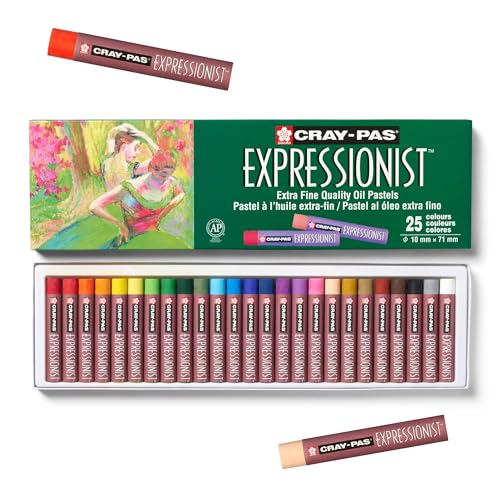
Sakura Cray-Pas Expressionist Oil Pastels, 24 Colors
Sakura Cray-Pas oil pastels are a classic choice known for their vivid colors. They are made with a blend of natural waxes and oils. The set includes 24 rich, creamy pastels. They are non toxic and conform to ASTM D-4236.
Pros
- Highly pigmented
- Smooth application
- Good for layering
Cons
- Can be hard to blend
- Some colors may be sticky

Faber-Castell Creative Studio Soft Pastels, 24 Colors
Faber-Castell Creative Studio pastels are made with quality pigments and a natural binder. They offer a good balance of hardness and softness. The set of 24 colors is suitable for fine details and broad strokes. The packaging is recyclable.
Pros
- Good quality for price
- Versatile hardness
- Eco friendly packaging
Cons
- Limited color range
- Not as soft as premium brands

Mungyo Non Toxic Chalk Pastels, 24 Colors
Mungyo Non Toxic Chalk Pastels are a safe and affordable option. They are made with natural chalk and pigments. The set includes 24 assorted colors. They are dustier than oil pastels but offer a traditional feel.
Pros
- Very affordable
- Easy to blend with fingers
- Non toxic
Cons
- Produces more dust
- Colors may not be as lightfast
How to choose
How they stack up
| # | Model | Color Count | Best for | Score | Price |
|---|---|---|---|---|---|
| 1 | Sennelier Wood Box Soft Pastels, 24 Colors | 24 | Professional artists seeking premium quality | 9.4 | Check price |
| 2 | Mungyo Gallery Artists Soft Oil Pastels, 48 Colors | 48 | Artists who prefer oil pastels | 9.2 | Check price |
| 3 | Koh-I-Noor Gioconda Soft Pastels, 36 Colors | 36 | Art students and hobbyists | 9.0 | Check price |
| 4 | Caran d’Ache Neocolor II Pastels, 15 Colors | 15 | Water soluble pastel effects | 8.9 | Check price |
| 5 | Sakura Cray-Pas Expressionist Oil Pastels, 24 Colors | 24 | Vibrant oil pastel work and illustration | 8.8 | Check price |
| 6 | Faber-Castell Creative Studio Soft Pastels, 24 Colors | 24 | Everyday sketching and practice | 8.6 | Check price |
| 7 | Mungyo Non Toxic Chalk Pastels, 24 Colors | 24 | Chalk pastel lovers on a budget | 8.4 | Check price |
Questions worth asking
What makes a pastel eco friendly?
Eco friendly pastels are made from natural pigments and binders. They avoid toxic synthetic dyes and harmful chemicals. Many also use sustainable packaging. This reduces pollution and supports safer art supplies.
Are eco friendly pastels less pigmented?
Not necessarily. Many eco friendly pastels have high pigment loads. For example, Sennelier uses a high concentration of pure pigment. So you get vibrant colors without sacrificing quality.
Can I use eco friendly pastels on various surfaces?
Yes. Soft pastels work on paper, board, or canvas. Oil pastels can be used on paper, canvas, and even wood. Chalk pastels are best on textured paper. Always test on a small area first.
Are these pastels safe for children?
Many are non toxic and conform to safety standards. Look for the ACMI AP seal. However, supervision is still recommended for young children. Some pastels can be dusty and should not be ingested.
How do I clean up pastel dust?
Use a damp cloth to wipe surfaces. Avoid blowing dust into the air. You can also use a vacuum with a HEPA filter. Dispose of dust in the trash, not down the drain.
Do oil pastels dry?
Oil pastels never fully dry. They remain workable for a long time. This allows for reworking but requires care to avoid smudging. Use a fixative or frame under glass to protect.
What is the difference between hard and soft pastels?
Soft pastels are more pigmented and blend easily. They produce more dust and break easily. Hard pastels are firmer and better for fine lines. They are less messy but have less color payoff.
How should I store my pastels?
Keep them in a sturdy box with compartments. Avoid extreme heat or humidity. You can also use a foam pad to cushion them. Proper storage prevents breakage and extends their life.
Can I mix different brands of pastels?
Yes, you can mix brands. However, each brand has a different hardness and pigment load. This can affect blending. Test on scrap paper to see how they interact.
Do eco friendly pastels cost more?
Some are more expensive due to premium ingredients. But there are affordable options like Mungyo and Koh-I-Noor. Prices vary based on brand and color count. You can find eco friendly pastels at various price points.
Our take
After comparing these seven eco friendly pastels, we recommend the Sennelier Wood Box for professional artists. Its exceptional pigment quality and sustainable packaging justify the investment. For those on a budget, the Koh-I-Noor Gioconda set offers great performance at a lower cost. If you prefer oil pastels, the Mungyo Gallery Artists set is a top choice. Choose based on your medium preference and budget, but any of these will enhance your art while being kind to the environment.
Jake Monroe
Jake worked as a residential contractor for over a decade before shifting to full-time writing. He evaluates power tools, hand tools and workshop gear through the lens of someone who has actually used them on job sites, not just read the box.