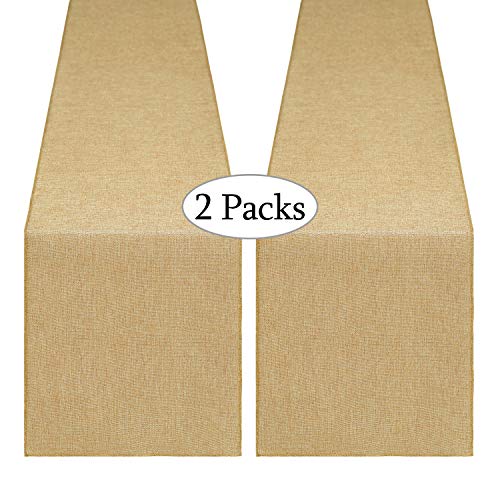
Scarves Made From Organic and Recycled Fibers
The Eileen Fisher Organic Cotton Scarf is the strongest all-around pick, using certified organic cotton in a lightweight weave that suits most seasons. The Pashma Cashmere-Silk Blend Scarf fits buyers who want more warmth from a traceable fiber source, while the Encircled Chrysalis Convertible Scarf suits anyone who wants one piece that wraps multiple ways.
The Eileen Fisher Organic Cotton Scarf leads this list because certified organic cotton and a simple weave make it wearable across most of the year without added bulk. Its main limitation is warmth, since cotton alone cannot match a wool or cashmere blend in cold weather.
We compared published fiber content, certifications, weight and country of production across each scarf, along with owner feedback on softness after washing, rather than wearing each one ourselves.
The top picks, ranked
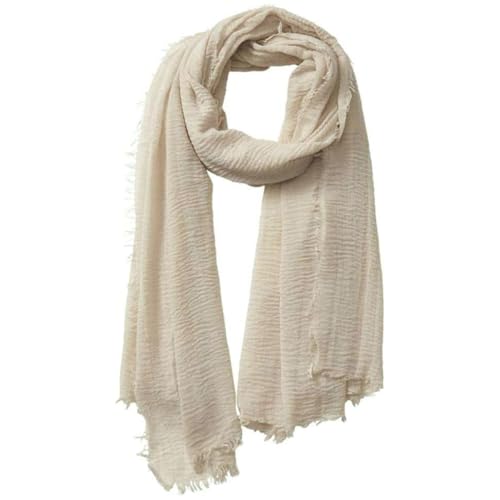
Eileen Fisher Organic Cotton Scarf
Certified organic cotton replaces conventionally grown cotton, which typically uses more pesticides and water during cultivation. A lightweight open weave works as a layering piece in spring and fall rather than a heavy winter wrap. Eileen Fisher’s garment recycling program also accepts worn pieces back at end of life.
Pros
- Certified organic growing process reduces pesticide use
- Lightweight weave suits layering across three seasons
- Brand takeback program recycles the scarf at end of life
Cons
- Too light for sustained use in freezing temperatures
- Open weave snags more easily than a tighter knit
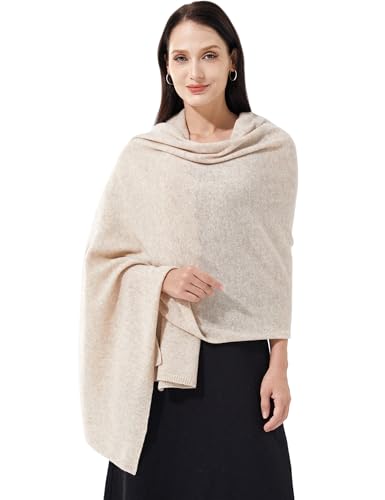
Pashma Cashmere-Silk Blend Scarf
A cashmere and silk blend adds warmth and drape beyond what cotton or synthetic fibers provide, with the brand publishing sourcing details back to the goat herds supplying the raw fiber. The silk content adds sheen and reduces the pilling common in pure cashmere. A tighter weave than cotton scarves holds its shape through repeated folding and wearing.
Pros
- Traceable sourcing documentation beyond a general sustainability claim
- Silk blend reduces pilling compared to pure cashmere
- Warmth level suits cold winter wear better than cotton
Cons
- Costs more than cotton or synthetic-blend scarves
- Needs gentle hand washing or dry cleaning, not a machine cycle

Encircled Chrysalis Convertible Scarf
This piece converts between a traditional scarf, a shoulder wrap and a poncho-style cover depending on how it folds and ties, reducing the need for separate accessories. A bamboo-based fabric blend offers a soft hand feel while using less water in processing than conventional cotton. The brand manufactures domestically in Canada rather than relying on long overseas supply chains.
Pros
- One piece replaces the need for separate scarf and wrap accessories
- Bamboo-based processing uses less water than conventional cotton
- Domestic production shortens the supply chain
Cons
- Bulkier when worn as a scarf compared to lightweight cotton options
- Fewer color choices than single-purpose scarf brands

PACT Organic Cotton Scarf
Organic cotton sourced through a Fair Trade Certified factory keeps the price lower than premium cashmere or silk blends while still avoiding conventional cotton’s pesticide load. A simple rectangular cut works for both casual and slightly dressed-up outfits. The brand publishes factory audit information rather than a general sustainability statement.
Pros
- Lower cost than cashmere or silk-blend alternatives
- Fair Trade Certified factory adds labor transparency
- Simple cut works across casual and dressier outfits
Cons
- Thinner fabric than wool or cashmere options for cold weather
- Limited color and pattern variety compared to larger brands

prAna Organic Cotton Scarf
A relaxed, slightly textured weave suits everyday casual outfits rather than formal wear, matching prAna’s broader outdoor-casual clothing line. Organic cotton content reduces pesticide exposure compared to conventional cotton farming. The brand also uses a fair labor program across its supply chain, covered in its published sustainability reporting.
Pros
- Textured weave pairs well with casual, everyday outfits
- Organic cotton avoids conventional pesticide-heavy farming
- Brand reports on fair labor practices across its supply chain
Cons
- Texture reads too casual for formal occasions
- Limited warmth compared to wool or cashmere scarves
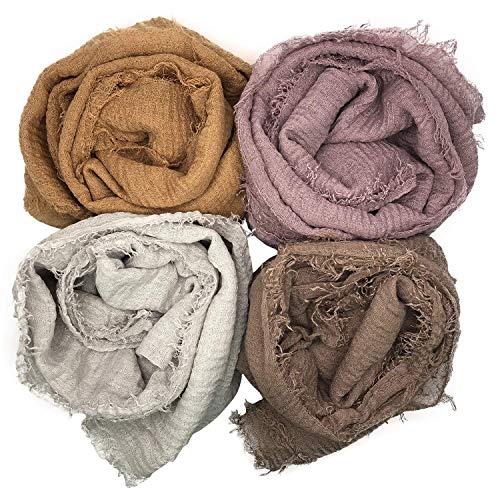
Toad&Co Hemp-Organic Cotton Blend Scarf
A blend of hemp and organic cotton adds durability beyond cotton alone, since hemp fiber resists wear and holds its shape through repeated use. Hemp cultivation also typically uses less water and fewer pesticides than conventional cotton farming. The resulting fabric has a slightly heavier hand than pure cotton scarves.
Pros
- Hemp blend resists wear better than cotton alone
- Lower water use in hemp cultivation than conventional cotton
- Heavier hand provides more structure when worn
Cons
- Feels less soft initially than pure cotton until broken in
- Heavier weight limits use as a warm-weather layering piece

Fair Indigo Organic Cotton Scarf
This scarf comes from a long-term fair trade factory partnership rather than a short-term supplier contract, which the brand presents as more stable for garment workers. Organic cotton content keeps the pesticide profile lower than standard cotton. A straightforward design keeps the price accessible compared to premium sustainable brands.
Pros
- Long-term fair trade factory partnership supports stable labor conditions
- Organic cotton reduces pesticide exposure versus standard cotton
- Priced more accessibly than premium sustainable brands
Cons
- Fewer design options than brands with larger scarf collections
- Thinner fabric offers less warmth than wool or hemp blends
How they compare
| # | Model | Fiber | Best for | Score | Price |
|---|---|---|---|---|---|
| 1 | Eileen Fisher Organic Cotton Scarf | Certified organic cotton | Best Overall | 8.8 | Check price |
| 2 | Pashma Cashmere-Silk Blend Scarf | Cashmere and silk blend | Best Luxury and Warmth | 8.6 | Check price |
| 3 | Encircled Chrysalis Convertible Scarf | Bamboo-based fabric blend | Best Multi-Way Convertible | 8.4 | Check price |
| 4 | PACT Organic Cotton Scarf | Organic cotton | Best Budget Organic Cotton | 8.2 | Check price |
| 5 | prAna Organic Cotton Scarf | Organic cotton | Best for Everyday Casual Wear | 8.1 | Check price |
| 6 | Toad&Co Hemp-Organic Cotton Blend Scarf | Hemp and organic cotton blend | Best Hemp Blend Durability | 8.0 | Check price |
| 7 | Fair Indigo Organic Cotton Scarf | Organic cotton | Best Fair Trade Value | 7.9 | Check price |
Before you buy
What makes a scarf genuinely eco-friendly Fiber source matters most, since organic cotton, hemp and recycled materials generally use less water and fewer pesticides than conventional cotton. Certifications like Fair Trade or organic status add a layer of verification beyond a brand’s own marketing claims. Country and method of production also affect the overall footprint, as shorter supply chains tend to add less transportation impact.
Lightweight cotton versus warm wool and cashmere blends Organic cotton scarves, such as the Eileen Fisher and PACT options, suit spring and fall layering but fall short in genuinely cold weather. Cashmere and hemp blends, like the Pashma and Toad&Co scarves, trade some lightness for warmth and durability. Buyers should match fiber choice to climate rather than choosing based on sustainability credentials alone.
Fair trade and labor transparency Fair Trade Certified factories, used by PACT and Fair Indigo, publish labor audit information that goes beyond a general sustainability statement. Brands like prAna report on fair labor sourcing across their supply chain without a single named certification body. Checking what a brand actually discloses, rather than relying on a general claim, separates genuine transparency from marketing language.
One versatile piece versus a single-purpose scarf A convertible design like the Encircled Chrysalis replaces a scarf, wrap and light poncho with one purchase, reducing the total number of accessories bought over time. Single-purpose scarves, like the PACT or Fair Indigo options, focus on one use case and typically cost less as a result. Buyers who travel light benefit more from a convertible piece than from several single-use accessories.
Frequently asked questions
What fibers count as eco-friendly for scarves?
Organic cotton, hemp, bamboo-based fabric and recycled wool or cashmere are commonly used eco-friendly fibers, each reducing water use, pesticide exposure or waste compared to conventional alternatives.
Is organic cotton warmer than regular cotton?
No, organic cotton has similar warmth properties to conventional cotton since the difference lies in the growing process, not the fiber’s thermal performance.
What does Fair Trade Certified mean for a scarf?
It means the factory producing the scarf has passed labor and sourcing audits tied to the Fair Trade Certified program, covering wages and working conditions.
Can a hemp blend scarf be as soft as cotton?
Hemp blends like the Toad&Co scarf start slightly stiffer than pure cotton but soften with wear and washing over time.
Are convertible scarves actually practical for daily wear?
Yes, a convertible piece like the Encircled Chrysalis works as a scarf, wrap or light poncho, which reduces the number of separate accessories needed for changing weather.
How should an organic cotton scarf be washed?
Most organic cotton scarves tolerate a gentle machine wash in cold water, though checking the specific care label avoids shrinking or color loss.
Is cashmere ever considered eco-friendly?
Cashmere can carry a sustainability claim when the brand documents herd size limits and sourcing practices, as Pashma does, since unmanaged cashmere grazing can otherwise degrade grassland.
What is the warmest eco-friendly scarf on this list?
The Pashma Cashmere-Silk Blend Scarf offers the most warmth, suited to winter wear rather than light layering.
Do bamboo-based scarves use less water to produce?
Bamboo-based fabric generally requires less irrigation than conventional cotton, though processing methods vary by manufacturer.
What is the most budget-friendly eco-friendly scarf?
The Fair Indigo Organic Cotton Scarf offers one of the more accessible price points among the organic and fair trade options on this list.
The verdict
The Eileen Fisher Organic Cotton Scarf is the right starting point for most buyers, balancing certified organic fiber with a weight that works across several seasons. Anyone shopping for genuine cold-weather warmth should pick the Pashma Cashmere-Silk Blend Scarf instead, since cotton alone cannot match its insulation. Travelers or minimalists get the most practical value from the Encircled Chrysalis, which replaces several accessories with one convertible piece.
Dana Whitfield
Dana spent eight years buying and merchandising for a regional kitchenware retailer before moving into editorial work. She has handled thousands of SKUs across cookware, small appliances and kitchen organization, and focuses on the practical differences that matter once a product is actually in daily use.
You might also need

Vollum 8 Liter Insulated Beverage Dispenser Review: Does the Spigot Design Deliver?

JH JIEMEI HOME Ramen Bowl Set Review: Real Donburi Bowls or Just Pretty Glaze?
Breaking Bad Los Pollos Hermanos Apron Review: Fun Fan Gear, But How Functional?