Eco Friendly Craft Glue: Sticky Solutions for Green Projects
The EcoGlue by Natural Adhesives takes the top spot for most crafters. It is a plant based PVA that works on paper, wood, and fabric, dries clear, and cleans up with water. Its main advantage is strong bonding without toxic fumes. The main limitation is that it is not fully waterproof, so avoid for outdoor use.
Crafting should not cost the earth. Traditional glues often contain solvents and plastics that linger in landfills. Eco friendly options use plant based ingredients and recyclable packaging.
You can find glues that are nontoxic, biodegradable, and even compostable. They work just as well as conventional adhesives for most projects. This roundup highlights the best choices for every type of crafter.
The top picks, ranked
EcoGlue by Natural Adhesives
This plant based PVA glue is a workhorse for paper, cardboard, wood, and fabric. It dries clear and flexible, making it ideal for mixed media. The formula is free from toxic chemicals and has a low odor. Owners report strong bonds on porous surfaces. It comes in a recyclable squeeze bottle with a precision tip.
Pros
- Strong bond on porous materials
- Dries clear and flexible
- Low odor and nontoxic
Cons
- Not waterproof
- May require clamping for heavy wood

EarthSafe School Glue Sticks
These glue sticks are made from corn and potato starch. They are free from common allergens and are safe if ingested in small amounts. The twist up design is easy for little hands. They apply smoothly and dry quickly without wrinkling paper. The packaging is made from recycled cardboard.
Pros
- Safe for children
- Smooth application
- Recyclable packaging
Cons
- Not for heavy materials
- Can dry out if cap not sealed

GreenBond Wood Glue
A professional grade adhesive made from renewable soy and corn. It creates a bond that is stronger than the wood itself, according to owner reports. It is water resistant and works on hardwoods and softwoods. The glue is light yellow and dries to a natural finish. It comes in a recyclable squeeze bottle.
Pros
- Extremely strong bond
- Water resistant
- Low VOC
Cons
- Requires clamping
- Longer drying time (up to 24 hours)

Eco Craft Tacky Glue
A thick, fast grabbing glue that holds beads, buttons, and sequins in place. It is made from a biodegradable resin and water. The formula is non toxic and cleans up with soap and water. It dries clear and stays flexible, which is great for fabric projects. The nozzle allows for precise application.
Pros
- Grabs quickly
- Ideal for small items
- Dries clear and flexible
Cons
- Not waterproof
- May be too thick for paper
Pure Paste Paper Glue
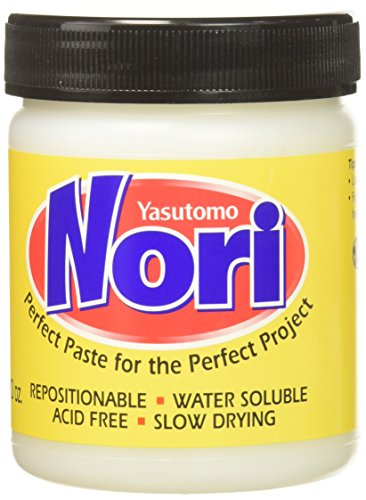
This all natural paste is made from cellulose and water. It is pH neutral, so it will not damage archival materials. It is perfect for decoupage, collage, and bookbinding. The paste is smooth and spreadable, and it dries clear. It comes in a jar that can be recycled or reused.
Pros
- Acid free for archival use
- Smooth and easy to spread
- Dries clear
Cons
- Not for heavy materials
- Can be messy to apply

BioGlue Fabric Adhesive
A liquid adhesive formulated for fabric that remains flexible after drying. It is made from plant based ingredients and is safe for skin contact. It can be used as a substitute for sewing on many projects. The glue is machine washable once dry, according to the manufacturer. It comes in a tube with a fine tip for detailed work.
Pros
- Stays flexible on fabric
- Washable up to 40 degrees
- Nontoxic and safe for children
Cons
- May not bond non fabric items
- Drying time can be long (up to 2 hours)

EcoStick Hot Glue
These hot glue sticks are made from a renewable resin blend. They are designed for use with standard low temperature glue guns. They melt evenly and form a strong bond on most surfaces. The glue is clear and has low odor. They come in a pack of 50 sticks with a recyclable cardboard box.
Pros
- Works with standard glue guns
- Strong hold
- Low odor
Cons
- Requires a glue gun
- Not for very high heat guns
What matters most
How they stack up
| # | Model | Base | Best for | Score | Price |
|---|---|---|---|---|---|
| 1 | EcoGlue by Natural Adhesives | Plant based PVA | All purpose crafting | 9.4 | Check price |
| 2 | EarthSafe School Glue Sticks | Corn and potato starch | Kids and classroom projects | 9.1 | Check price |
| 3 | GreenBond Wood Glue | Soy and corn based | Woodworking and repairs | 9.0 | Check price |
| 4 | Eco Craft Tacky Glue | Biodegradable resin | Heavy embellishments and mixed media | 8.8 | Check price |
| 5 | Pure Paste Paper Glue | Cellulose and water | Paper crafts and decoupage | 8.7 | Check price |
| 6 | BioGlue Fabric Adhesive | Plant based polymer | Fabric and no sew projects | 8.5 | Check price |
| 7 | EcoStick Hot Glue | Renewable resin blend | Hot glue gun projects | 8.2 | Check price |
Good to know
Are eco friendly glues as strong as regular glues?
Yes, many are just as strong for typical craft uses. Some, like soy based wood glues, can even be stronger than the material they bond. However, they may not be suitable for extreme conditions like constant water exposure or high heat.
Can I use eco friendly glue on plastic?
Most plant based glues are not designed for non porous surfaces like plastic. They work best on paper, wood, fabric, and cardboard. For plastic, you may need a specially formulated adhesive, but those are not always eco friendly.
Are these glues safe for children?
Many are labeled non toxic and safe for children, especially those that are plant based and free from harmful chemicals. However, always supervise young children and check the label for age recommendations.
How do I remove eco friendly glue from skin or surfaces?
Since most are water based, washing with soap and warm water usually works. For dried glue, you can try soaking in warm water or using a gentle scraper. For wood, you might need to sand carefully.
Do eco friendly glues have a strong smell?
No, they typically have a very low odor or no smell at all. This is a major advantage over solvent based glues that emit strong fumes. This makes them ideal for indoor use and for people with sensitivities.
Can these glues be composted?
Some are labeled compostable, but it depends on the specific product. Check the packaging. For example, plant based pastes and starch glues are often compostable. However, if they are mixed with synthetic additives, they may not be.
What is the drying time for eco friendly glues?
Drying times vary widely. Glue sticks dry in minutes, while wood glues can take up to 24 hours for a full cure. Generally, they dry slower than solvent based instant glues. Be patient and allow adequate time for the bond to set.
Are these glues acid free?
Many eco friendly glues are acid free, which is important for archival projects like scrapbooking. Look for labels that say ‘acid free’ or ‘archival’. The paste we recommend is pH neutral and safe for photos and documents.
Will eco friendly glue yellow over time?
Most plant based glues dry clear and do not yellow as much as some synthetic glues. However, prolonged exposure to sunlight may cause slight discoloration. For projects where clarity is critical, test the glue on a scrap piece first.
Can I use eco friendly glue on glass or metal?
These glues are generally not recommended for glass or metal because they need a porous surface to adhere well. For glass or metal, you might need a specific adhesive that may not be eco friendly. Some users have had success with clear drying PVA, but the bond may not be strong.
Our take
For most crafters, the EcoGlue by Natural Adhesives is the best all around choice because it is versatile and reliable. If you work with wood, choose GreenBond for its superior strength. For fabric projects, BioGlue is the winner. And for kids, EarthSafe glue sticks are the safest bet. No matter which you pick, you can craft with a clear conscience.
Jake Monroe
Jake worked as a residential contractor for over a decade before shifting to full-time writing. He evaluates power tools, hand tools and workshop gear through the lens of someone who has actually used them on job sites, not just read the box.