Which Dryer Style Actually Dries Clothes Fastest?
LG DLEX4000 leads for most homes, pairing a 7.4 cubic foot drum with steam and sensor drying that stops the cycle at the right moment. Electrolux EFME627 handles the largest loads at 8.0 cubic feet. Samsung DVE45 wins on app control and gentle steam refresh cycles.
LG DLEX4000 suits most households, combining a roomy drum with steam cycles and sensor drying that avoids over-drying. Families with bulky loads should look at the Electrolux EFME627, which adds nearly a full cubic foot of extra drum space. Smart-home buyers lean toward the Samsung DVE45.
Capacity ratings, fuel type, cycle counts and drum design all change how laundry actually comes out, which makes a dryer harder to shop for than it looks. We compared published specifications and manufacturer cycle features, then weighed what owners consistently report about drying time, fabric gentleness and long-term reliability.
Our top picks
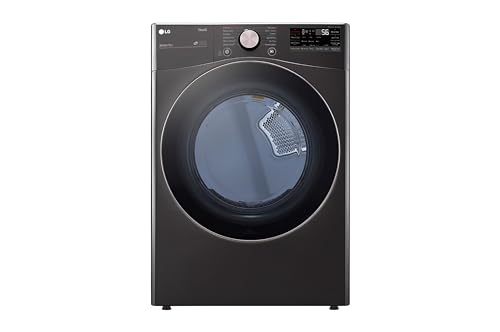
LG DLEX4000
A 7.4 cubic foot drum pairs with TurboSteam and sensor drying that ends the cycle once clothes are actually dry. Owners report fewer over-dried loads and more even results than a timer-based machine. ThinQ app control adds remote start and cycle alerts from a phone.
Pros
- Large 7.4 cu ft capacity
- Steam cycles reduce wrinkles
- Sensor drying stops the cycle accurately
Cons
- WiFi setup can be fiddly
- Cabinet footprint needs a spacious laundry room

Electrolux EFME627
An 8.0 cubic foot drum, among the largest in its class, swallows bulky comforters that crowd smaller dryers. Perfect Steam releases wrinkles, and owners note strong, even airflow across the load. Based on specifications, it runs quietly for a machine this size.
Pros
- Roomy 8.0 cu ft drum
- Perfect Steam wrinkle release
- Strong, even airflow
Cons
- Tall cabinet complicates stacked setups
- Fewer smart features than rivals
Samsung DVE45
SmartThings scheduling, cycle notifications and a Steam Sanitize+ option build out its connectivity. Sensor Dry aims to prevent over-drying, and owners appreciate the quiet operation. It suits households that already run other appliances through the Samsung app.
Pros
- Deep SmartThings integration
- Steam Sanitize+ option
- Quiet, gentle cycles
Cons
- App relies on stable WiFi
- Interface has a learning curve

Maytag MED4500
Maytag builds this model around a reputation for toughness, adding Advanced Moisture Sensing and a Wrinkle Prevent option that keeps tumbling after the cycle ends. Owner feedback favors dependable, no-drama drying over flashy extras or connected features.
Pros
- Sturdy, dependable build
- Advanced moisture sensing
- Wrinkle Prevent keeps clothes fresh after the cycle
Cons
- Basic dial interface
- No steam cycles

Whirlpool WED5000
AutoDry moisture sensing and a Wrinkle Shield option cover the essentials without overspending. Owners describe it as a straightforward, reliable workhorse for everyday laundry. That combination makes it a sensible mid-range pick rather than a stripped-down budget unit.
Pros
- Reliable everyday performance
- AutoDry moisture sensing
- Simple, intuitive controls
Cons
- No smart connectivity
- Plainer styling than premium models
GE GTD65EBSJWS
A 7.4 cubic foot drum pairs with HE Sensor Dry and an aluminized alloy interior that resists snags. Owners highlight how quietly it runs, which suits a laundry area near a bedroom or open kitchen. Cycle selection stays simpler than the LG or Samsung options above.
Pros
- Runs quietly
- Snag-resistant drum
- Generous 7.4 cu ft capacity
Cons
- Limited cycle variety
- No app control

Amana NED4655
A compact 6.5 cubic foot drum keeps this model affordable, using Automatic Dryness Control instead of pricier sensor systems. Steam and WiFi are skipped entirely. Owners say it dries everyday loads dependably, which is exactly what a budget dryer needs to do.
Pros
- Affordable and no-frills
- Automatic Dryness Control
- Compact footprint, easy to install
Cons
- Smaller 6.5 cu ft drum
- No steam or smart features
Compared at a glance
| # | Model | Capacity | Best for | Score | Price |
|---|---|---|---|---|---|
| 1 | LG DLEX4000 | 7.4 cu ft | Best overall | 9.4 | Check price |
| 2 | Electrolux EFME627 | 8.0 cu ft | Best for large loads | 9.1 | Check price |
| 3 | Samsung DVE45 | 7.5 cu ft | Best smart features | 8.9 | Check price |
| 4 | Maytag MED4500 | 7.0 cu ft | Best for durability | 8.7 | Check price |
| 5 | Whirlpool WED5000 | 7.0 cu ft | Best value | 8.5 | Check price |
| 6 | GE GTD65EBSJWS | 7.4 cu ft | Best for quiet operation | 8.3 | Check price |
| 7 | Amana NED4655 | 6.5 cu ft | Best budget | 8.1 | Check price |
Before you buy
How much drum capacity a household actually needs Dryer capacity is measured in cubic feet, and 7.0 to 7.5 cubic feet suits most families comfortably. Anyone regularly drying king comforters benefits from an 8.0 cubic foot drum like the Electrolux EFME627, since extra room improves evenness and cuts wrinkling. Buying bigger than needed mostly adds bulk and footprint, so match the drum to typical load size first.
Electric versus gas hookups Most homes run an electric dryer, which needs a 240 volt outlet, while gas models require a gas line but tend to dry faster and cost less to run per load. Check which hookup already exists in the laundry room before choosing, since converting from one to the other adds real installation cost. Every model in this list ships in an electric configuration.
What moisture sensors and steam cycles change day to day Sensor drying measures moisture inside the drum and ends the cycle once clothes are dry, protecting fabrics and saving energy compared with a fixed timer. Steam cycles relax wrinkles and refresh clothes between washes, cutting down on ironing. Owners across our top picks consistently report a noticeable difference in fabric care from both features.
Noise, smart features and fitting the space A laundry area near a bedroom or open kitchen benefits from a quieter model such as the GE GTD65EBSJWS. Smart app control adds remote start and finish alerts, but only proves useful with a stable WiFi connection. Before ordering, confirm the door swing direction and exact dimensions so the unit fits the space and opens the way needed.
Common questions
How many cubic feet do I need in a clothes dryer?
For most households, 7.0 to 7.5 cubic feet is plenty. Larger families or anyone drying bulky bedding often benefit from a 7.5 to 8.0 cubic foot drum, which lets big loads tumble freely and dry evenly without overpacking.
Are electric or gas dryers better?
Neither wins outright. Electric dryers install more easily and stay far more common, while gas dryers usually dry faster and cost less per load to run. The right choice depends mostly on which hookup a home already has, since adding a new one is a real expense.
Do I really need steam cycles?
Steam is not essential, but it genuinely helps relax wrinkles and refresh clothes that have not been washed. Anyone who dislikes ironing benefits from steam models like the LG DLEX4000 or Samsung DVE45.
What is sensor drying and is it worth paying for?
Sensor drying uses moisture sensors to end the cycle once clothes are dry, rather than running a fixed timer. It protects fabrics from over-drying and can save energy, so it earns its place on most shopping lists. Owners report it noticeably reduces stiff, over-dried loads.
How much clearance does a dryer need behind it?
Plan for a few inches behind the unit for venting and the power or gas connection, plus enough front clearance for the door to open fully. Always check manufacturer dimensions against the actual space, and confirm the door hinge side, before buying.
Can these dryers stack on top of a washer?
Some front-load dryers stack with a matching washer using a manufacturer stacking kit. Confirm both units are rated stackable and buy the correct kit, since top-load models and some tall front-loaders are not designed for it.
How often should the lint filter be cleaned?
Clean the lint filter after every load without exception. A clogged filter lengthens drying time, wastes energy and creates a common fire hazard, making this the single most important dryer maintenance habit.
Why do clothes come out wrinkled from the dryer?
Wrinkles usually trace back to overloading, over-drying or leaving clothes sitting after the cycle ends. A wrinkle-prevent or steam option combined with prompt removal makes a clear difference, which is why several picks here include those features.
Do smart dryer features actually help day to day?
App alerts and remote start add convenience, especially for busy households, but they depend on a stable WiFi connection to work reliably. Treat them as a useful bonus rather than the deciding factor over core drying performance.
How long does a typical dryer cycle take?
Most everyday loads dry in roughly 40 to 60 minutes, though bulky bedding and heavy fabrics take longer. Sensor drying shortens cycles by stopping once clothes are dry, and a higher-spin washer that removes more water beforehand also cuts total drying time.
The verdict
LG DLEX4000 stands out as the best overall clothes dryer, combining generous capacity, steam and dependable sensor drying in one machine. Households needing maximum room should choose the Electrolux EFME627, while the Amana NED4655 proves everyday laundry dries well on a tighter budget.
Dana Whitfield
Dana spent eight years buying and merchandising for a regional kitchenware retailer before moving into editorial work. She has handled thousands of SKUs across cookware, small appliances and kitchen organization, and focuses on the practical differences that matter once a product is actually in daily use.
You might also need
Blender or Food Processor: Which One Do You Actually Need?
Is an Air Fryer Actually Worth the Counter Space?

How to Pick a Blender That Actually Crushes Ice
