Doorbell Chimes Ranked by Range, Tunes and Receivers
Honeywell Home Series 9 wins on rated range, covering 450 feet from a single plug-in receiver. Ring Chime Pro suits homes already running Ring cameras, since it extends Wi-Fi at the same time. Renters who cannot drill should take SadoTech Model C, which sticks on and needs no account.
Honeywell Home Series 9 fits most houses: one portable receiver, 450 feet of rated range, and eight tunes you can split between a front and back button. Its housing is light plastic, so it feels cheaper than a hardwired unit on the wall. Bigger properties want two receivers instead, which is where Avantek DB-21 takes over.
Range figures on these listings assume open air, not plaster, brick and a steel fridge in between. We compared listed range, how many receivers ship in the box, power method, button weather ratings and ecosystem support. Owner feedback about dropouts, phantom rings and button battery life decided several placements.
Our top picks

Honeywell Home RDWL917AX2000/E Series 9 Portable Wireless Doorbell
Honeywell rates the link at 450 feet, enough for a two-story house plus a detached garage. Eight tunes let the front button sound different from the rear one, so you know where to walk. Extra buttons and motion sensors pair to the same receiver as your needs grow.
Pros
- Receiver unplugs and moves room to room
- Separate tunes per button identify the door
- Weather resistant push button suits an exposed porch
Cons
- Housing is lightweight plastic
- Eight tunes is far fewer than budget kits offer
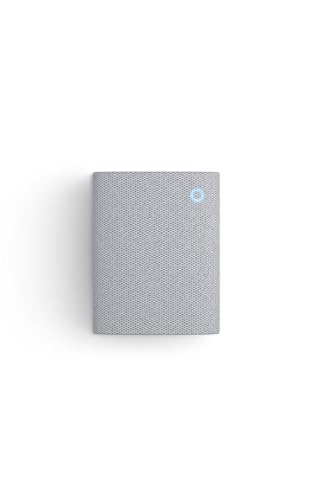
Ring Chime Pro (2nd Generation)
Two jobs share one outlet here: indoor alerts and a Wi-Fi boost for Ring gear sitting at the edge of router range. Dual band radios cover both 2.4 and 5 GHz. Tones and volume live in the Ring app rather than on buttons, and a soft LED nightlight runs from the same plug.
Pros
- Cures doorbell lag caused by distance from the router
- App control means no buttons to fumble with
- Nightlight marks a dark hallway
Cons
- Does nothing outside the Ring ecosystem
- Wants an outlet roughly midway to the door

Avantek DB-21 Wireless Doorbell
Two plug-in receivers ship together, so upstairs and downstairs both hear a single button press. Avantek lists 1300 feet of open-air range, 52 melodies and five volume steps. An IP55 rating on the button covers rain hitting an unsheltered door frame.
Pros
- Covers two floors without buying a second kit
- Five volume steps include a genuinely quiet setting
- Button runs on a common coin cell
Cons
- Sends no alerts to a phone
- Most of the 52 melodies go unused

Physen Model CW Wireless Doorbell
Physen links two receivers to one waterproof button and rates the range at 1000 feet. Each receiver can play its own tune, which lets a basement workshop sound different from a bedroom. LED flashes accompany every ring, useful while a vacuum or television runs.
Pros
- Flashing LED backs up the audible alert
- Receivers can be set to different tunes
- Button mounts with screws or adhesive
Cons
- Plastic button feels less solid than Honeywell’s
- Adding extra buttons means a manual pairing sequence

1byone Wireless Doorbell with LED Flash
Every press fires a bright strobe alongside the tune, so the alert still lands with hearing aids out. 1byone lists 1000 feet of range, 36 melodies and four volume steps. Top volume carries through a closed bathroom door, and the receiver body is slim enough for a crowded outlet strip.
Pros
- Strobe stays visible across a lit room
- Loud enough at its top setting to reach another floor
- Compact body clears neighbouring plugs
Cons
- Strobe cannot be switched off on its own
- 36 melodies trails the 52-tune budget kits

SadoTech Model C Wireless Doorbell
Setup runs about five minutes: peel the adhesive, stick the button on, plug the receiver in, pick a tune. SadoTech lists 500 feet of range with 52 melodies and four volume levels. Nothing pairs to an app, which is exactly why it survives a router swap or an outage.
Pros
- No drilling, so a rental deposit stays intact
- Runs without Wi-Fi, a hub or an account
- Button ships in several colours to match a door
Cons
- Shortest rated range of these picks
- Adhesive loosens on textured brick
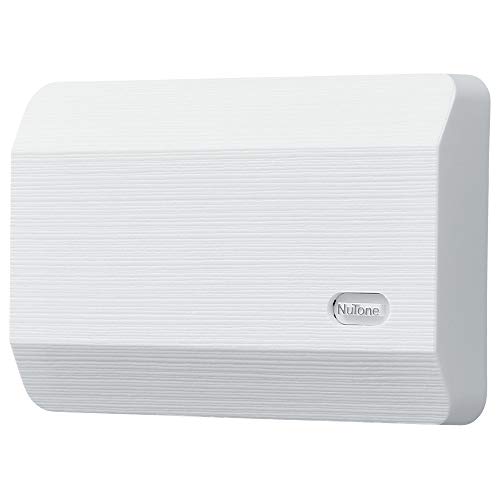
Broan-NuTone LA11WH Wired Two-Note Door Chime
Swapping out a dead chime already fed by a 16 volt transformer is the whole job here. Two notes sound for the front door and one note for the rear, so the entry is obvious from another room. Its paintable white cover blends into hallway plaster, and mounting holes line up with most existing chime boxes.
Pros
- No batteries and no radio link to drop
- Mechanical two-note sound carries through walls
- Lines up with existing chime screw holes in most homes
Cons
- Useless without existing low voltage wiring
- Sound cannot be changed, muted or turned down
What to look for
What to look for in a doorbell chime Range is the first filter, and every listed figure assumes clear line of sight. Plaster, brick and metal ductwork all eat into it, so buy well beyond your longest door-to-room distance. Count the receivers next, because one unit rarely reaches two floors. Tune totals matter far less than being able to assign a different tune per button. Check the push button for a weather rating too, since an uncovered door frame soaks it every storm.
Wired vs wireless doorbell chimes: which fits your home Wired chimes draw from a 16 volt transformer and never need a battery, which is why units like the Broan-NuTone LA11WH outlive most wireless kits. They only make sense where that wiring already exists, as pulling new low voltage cable through finished walls is real work. Wireless plug-in kits skip all of it and move house with you. Radio interference and a coin cell that dies every year or two are the trade. Pick wired for a permanent fix, wireless for speed and for rentals.
Best doorbell chime for apartments and small homes A one-bedroom flat has no use for 1300 feet of range or a second receiver. SadoTech Model C or a lone Honeywell receiver covers that footprint easily. Adhesive mounting outranks raw power here, since most leases ban drilling into a shared door frame. Volume control earns its keep through thin walls, so look for a kit with a real low setting rather than four steps that all shout. Skipping app pairing also avoids arguments with building Wi-Fi.
Large houses, workshops and alerts you cannot miss Detached spaces break cheap kits fast, because a garage wall plus a stretch of yard drains signal. Multi-receiver sets such as Avantek DB-21 and Physen Model CW fix that by putting an alert where you actually stand. Add a visual alert when power tools run, since no melody beats a compressor; the 1byone strobe and Physen’s LED flash both handle that, and they serve hearing-impaired households for the same reason. Ring Chime Pro is the outlier, worth buying only when a Ring camera at the property edge keeps dropping off Wi-Fi. Without Ring gear, spend that money on a second plain receiver.
How they stack up
| # | Model | Type | Best for | Score | Price |
|---|---|---|---|---|---|
| 1 | Honeywell Home RDWL917AX2000/E Series 9 Portable Wireless Doorbell | Portable plug-in receiver | Best overall | 9.4 | Check price |
| 2 | Ring Chime Pro (2nd Generation) | Plug-in chime and Wi-Fi extender | Best for Ring owners | 9.2 | Check price |
| 3 | Avantek DB-21 Wireless Doorbell | Two plug-in receivers, one button | Best value | 9.0 | Check price |
| 4 | Physen Model CW Wireless Doorbell | Two receivers, one button | Best for large homes | 8.8 | Check price |
| 5 | 1byone Wireless Doorbell with LED Flash | Plug-in receiver | Best for hearing difficulties | 8.6 | Check price |
| 6 | SadoTech Model C Wireless Doorbell | Plug-in receiver with adhesive button | Best budget | 8.3 | Check price |
| 7 | Broan-NuTone LA11WH Wired Two-Note Door Chime | Hardwired two-note chime | Best wired replacement | 8.0 | Check price |
Frequently asked questions
How does a wireless doorbell chime work?
A battery button transmits a coded radio signal, usually around 433 MHz, to a plug-in receiver that plays a stored tune. No internet, hub or account sits in the middle. Keep the outlet powered and the pair keeps working through a broadband outage.
What is the best doorbell chime for a large house?
Multi-receiver kits win. Avantek DB-21 ships two receivers on a 1300 foot listed range, and Physen Model CW does the same at 1000 feet. Place one receiver centrally and the second wherever you spend most of your day.
Can I add an indoor chime to an existing Ring doorbell?
Yes. Ring Chime Pro pairs inside the Ring app and rings indoors without a second doorbell button. It also extends Wi-Fi toward the door, which fixes the lag on doorbells mounted far from the router.
Do wireless doorbell chimes need batteries?
Only the push button, typically a CR2032 coin cell or an A23. Every receiver in this list runs from a wall outlet. Battery-powered receivers do exist, though they drain quickly at higher volume settings.
Is a plug-in chime better than a hardwired one?
Plug-in units install in minutes and move to your next home. Hardwired chimes never lose signal and never need a cell replaced. Choose hardwired only where 16 volt doorbell wiring already runs to the wall.
Which doorbell chime is best for hearing impaired users?
Prioritise a strobe over extra volume. 1byone flashes a bright LED with every press, and Physen Model CW adds LED flashes to its tunes. Put a receiver in the room you occupy most rather than a hallway.
Why does my wireless doorbell ring by itself?
Phantom rings usually trace to a neighbour transmitting on the same frequency and code, or to a weak button battery sending noise. Re-pair the button to change its code, then fit a fresh cell. Moving the receiver away from a Wi-Fi router helps too.
How many buttons can one chime receiver support?
Most kits accept several. Honeywell Series 9 pairs extra buttons and motion sensors, each with its own tune. Budget kits often ring the same melody for every button, which defeats the point of covering a second door.
How far will a doorbell chime actually reach indoors?
Expect roughly a third to half of the listed figure once walls are involved. A 1000 foot rating typically covers a normal two-story house comfortably. Brick, foil-backed insulation and metal appliances cut the hardest.
Can a doorbell chime work with no Wi-Fi at all?
Yes, and most here do. SadoTech Model C, Avantek DB-21 and Honeywell Series 9 all use direct radio between button and receiver. Only Ring Chime Pro depends on a working network.
Final word
Buy the Honeywell Home Series 9 for a normal house: 450 feet of range covers it, and separate tunes tell the front door from the back. Spread over two floors or working out of a garage? Avantek DB-21 is the better call purely for that second receiver. Ring Chime Pro earns a slot only when Ring cameras already sit on your network, and anyone replacing a dead wired chime should just fit the Broan-NuTone LA11WH.
Marcus Chen
Marcus covered consumer electronics for enthusiast tech publications for six years before joining ChoiceCrest. He specializes in translating manufacturer spec sheets into plain-language buying advice, with a focus on audio, computing accessories and smart-home gear.
You might also need

Nintendo Game & Watch: Super Mario Bros Review: Still Worth It as a Collectible?

Ray-Ban Meta (Gen 2) Wayfarer Smart Glasses: Worth $379 for Clear Lenses?
AlyKets Nikon UC-E6 Replacement USB Cable: Does a $7.95 Cord Work as Well as the Original?
