Which Decoupage Glue Works Best for Your Project?
Mod Podge Matte handles most paper and canvas crafts with a clear, non-shiny finish. Mod Podge Hard Coat suits furniture and tabletops that need a tougher cured shell. Mod Podge Outdoor protects planters and garden signs from rain and UV exposure. DecoArt Americana Decou-Page costs less per ounce for similar results.
Mod Podge Matte fits most scrapbooking and furniture upcycling projects, drying clear on wood, paper, and canvas. Heavy-handled furniture and outdoor pieces need a tougher or weather-rated formula instead, since Matte was not built for either job.
Seven decoupage glues and sealers were compared on finish type, cure time, surface compatibility, and water resistance pulled from their Amazon listings. Owner feedback about yellowing, brush marks, and long-term durability shaped where each pick landed below.
The top picks, ranked
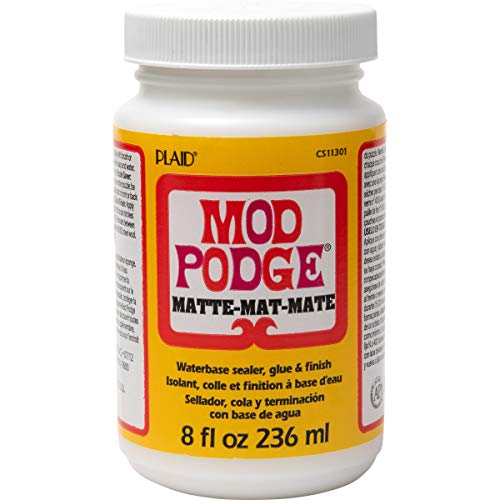
Mod Podge Matte 8 oz (Plaid)
This matte formula works as glue, sealer, and topcoat in a single coat. It dries clear without added shine, which suits paper and photo transfer projects. Thin, multiple coats build durability without clouding the artwork underneath.
Pros
- Dries clear without yellowing on light surfaces
- Works as both glue and topcoat in one step
- Cleans up with water before it sets
Cons
- Not rated for prolonged outdoor exposure
- Can show brush strokes when applied thick

Mod Podge Gloss 8 oz (Plaid)
Plaid built Gloss on the same acrylic base as Matte, but it cures to a reflective shine instead of a flat finish. Photographs and printed decoupage paper stand out more under this topcoat. Two coats give the most even coverage, according to the label.
Pros
- High-shine finish highlights color and detail
- Same water cleanup as other Mod Podge formulas
- Sold in the same 8 oz size as Matte for pairing
Cons
- Shows brush marks more than the matte finish
- Not the best pick for a flat, non-reflective look

Mod Podge Hard Coat (Plaid)
End tables, trays, and other frequently handled surfaces need more than a standard topcoat. Hard Coat cures to a tougher shell than Matte or Gloss, resisting scuffs once fully set. Three to four coats reach tabletop-level durability, per Plaid’s instructions.
Pros
- Cures harder than standard Mod Podge formulas
- Suited to furniture and other high-touch surfaces
- Resists scuffing better once fully cured
Cons
- Full cure takes up to three weeks
- Longer wait between coats than standard formulas

Mod Podge Outdoor (Plaid)
Planters, birdhouses, and garden signs face rain and sun that indoor formulas cannot handle. Outdoor resists water better than Matte or Gloss once fully cured. Plaid still recommends a spray sealer on top for pieces left outside year round.
Pros
- Formulated specifically for outdoor exposure
- Works on terra cotta, wood, and resin planters
- Applies the same way as indoor Mod Podge formulas
Cons
- Still benefits from an added spray sealant outdoors
- Limited to a satin finish, no gloss or matte option

Mod Podge Fabric (Plaid)
Cloth needs a formula that will not stiffen once it bends. Fabric stays soft and flexible after drying, unlike the wood-focused formulas above. Tote bags, canvas shoes, and fabric-covered boxes are the most common uses.
Pros
- Stays flexible on fabric instead of turning stiff
- Works on cotton canvas and blended fabrics
- Non-toxic water-based formula
Cons
- Not designed for rigid surfaces like wood or glass
- Needs a full 24 hours flat before handling

Mod Podge Dishwasher Safe (Plaid)
Mugs, tumblers, and ceramic tile projects go through regular washing that would peel a standard sealer. Dishwasher Safe bonds tightly enough to survive top-rack cycles after a full cure. Twenty-eight days pass before Plaid rates a piece ready for the dishwasher.
Pros
- Rated for dishwasher use after a full cure
- Bonds well to glass and ceramic surfaces
- Gloss finish highlights printed paper designs
Cons
- Requires a lengthy 28-day cure before dishwasher use
- Best kept to top-rack washing long term

DecoArt Americana Decou-Page
DecoArt’s matte and gloss versions cost less per ounce than comparable Mod Podge sizes. A single product still works as adhesive, sealer, and finish, the same way the Plaid lineup does. A 16 oz bottle option suits larger furniture pieces or multi-project use.
Pros
- Lower cost per ounce than comparable Mod Podge sizes
- Sold in a larger 16 oz bottle for bigger projects
- Works as glue, sealer, and finish in one product
Cons
- Smaller brand presence means fewer finish variants
- Owner reviews mention thinner consistency than Mod Podge
Before you buy
What to Look For in a Decoupage Glue Decoupage glue combines adhesive, sealer, and topcoat into a single product. Finish type matters most, since matte hides shine on paper art while gloss adds depth to photos and prints. Dry time ranges from 15 minutes touch dry to several weeks for a full cure. Water-based formulas clean up with soap and water before they set, unlike solvent-based sealers.
Matte vs Gloss vs Satin Finish A matte topcoat leaves a flat, non-reflective surface that suits paper crafts and mixed media. Gloss adds shine that makes photographs and printed images pop. Satin splits the difference, and it shows up in both the hard-coat and outdoor formulas here. Some crafters even layer gloss over a matte base coat to control sheen by hand.
Best Glue for Furniture and Outdoor Projects Furniture surfaces need a harder cured finish than paper crafts ever require. Hard Coat cures to a tougher shell over three weeks, standing up to daily handling on tables and trays. Rain, UV light, and temperature swings wear down indoor formulas outdoors much faster. A dedicated outdoor formula, paired with a spray sealant, holds up longer on planters and garden signs.
Decoupage on Fabric and Kitchenware Fabric decoupage calls for a flexible formula that will not crack when the material bends. Rigid sealers made for wood or glass tend to stiffen or peel off cloth over time. Mugs and tumblers need a dishwasher-safe rating plus a full cure before regular washing. Skipping that cure time often leads to a cloudy or peeling finish on kitchenware.
How they compare
| # | Model | Finish | Best for | Score | Price |
|---|---|---|---|---|---|
| 1 | Mod Podge Matte 8 oz (Plaid) | Matte | Best Overall | 9.4 | Check price |
| 2 | Mod Podge Gloss 8 oz (Plaid) | Gloss | Best for a Glossy Finish | 9.1 | Check price |
| 3 | Mod Podge Hard Coat (Plaid) | Satin | Best for Furniture and Tabletops | 8.9 | Check price |
| 4 | Mod Podge Outdoor (Plaid) | Satin | Best for Outdoor Decor | 8.7 | Check price |
| 5 | Mod Podge Fabric (Plaid) | Soft, flexible | Best for Fabric Decoupage | 8.5 | Check price |
| 6 | Mod Podge Dishwasher Safe (Plaid) | Gloss | Best for Mugs and Kitchenware | 8.3 | Check price |
| 7 | DecoArt Americana Decou-Page | Matte or gloss | Best Value | 8.0 | Check price |
Common questions
Is Mod Podge the same as decoupage glue?
Mod Podge is a brand name for decoupage glue, sealer, and finish combined in one product. Other brands, like DecoArt Americana Decou-Page, serve the same purpose under a different name.
Can you use regular white glue for decoupage?
Diluted white glue works for basic paper decoupage but dries less clear than purpose-made formulas. Dedicated decoupage glue resists yellowing and cracking better over time.
How long does decoupage glue take to dry?
Most water-based formulas feel dry to the touch in 15 to 30 minutes. Full curing, when the finish reaches maximum hardness, can take 24 hours to several weeks depending on the formula.
What is the difference between matte and gloss decoupage glue?
Matte dries with a flat, non-reflective surface, while gloss leaves a shiny, reflective finish. Satin formulas fall between the two.
Is decoupage glue waterproof?
Standard indoor formulas resist light moisture once cured but are not fully waterproof. Formulas labeled for outdoor use handle rain better, though a spray topcoat adds extra protection.
Can decoupage glue go in the dishwasher?
Only formulas specifically labeled dishwasher safe, like Mod Podge Dishwasher Safe, are rated for regular washing. Standard Mod Podge formulas should stay out of the dishwasher.
Does decoupage glue work on fabric?
Fabric-specific formulas stay flexible after drying, so the material does not stiffen or crack. Standard wood and paper formulas can leave fabric feeling stiff and brittle.
How many coats of decoupage glue do you need?
Most projects need two to four thin coats for even coverage and durability. Furniture and tabletop pieces often need three or four coats for a harder cured finish.
Can decoupage glue be used on glass?
Yes, but glass items handled often, like mugs, need a dishwasher-safe formula rather than a standard matte or gloss finish. Decorative glass that stays on a shelf can use any of the standard formulas.
Which decoupage glue is best for beginners?
Mod Podge Matte suits beginners since it forgives uneven coats and dries clear on the most common craft surfaces. It also skips the long cure times required by the furniture and dishwasher-safe formulas.
The verdict
Mod Podge Matte remains the strongest all-around pick for paper crafts, canvas, and general upcycling, drying clear without excess shine. Furniture builders and anyone finishing tabletops should reach for Mod Podge Hard Coat instead, since its tougher cured shell survives daily handling that Matte cannot. Crafters working on a tighter budget can get comparable results from DecoArt Americana Decou-Page’s larger 16 oz bottle.
Jake Monroe
Jake worked as a residential contractor for over a decade before shifting to full-time writing. He evaluates power tools, hand tools and workshop gear through the lens of someone who has actually used them on job sites, not just read the box.