Craft Twine That Won’t Fray, Slip, or Split on You
Ravenox Natural Jute Twine covers the widest range of projects, from gift wrapping to plant staking, and holds knots well under tension. Mandala Crafts Cotton Twine gives macrame and jewelry work a softer, smoother cord. Cypress Direct Baker’s Twine handles gift wrapping and bakery boxes for less.
Rustic packaging and plant staking call for Ravenox Natural Jute Twine, since its rough fiber grips knots and its tensile strength holds up outdoors. Macrame and jewelry work favor Mandala Crafts Cotton Twine instead, because a softer, smoother cord matters more than outdoor durability there. Budget-minded gift wrappers can reach for Cypress Direct’s colored baker’s twine.
Ply count changes twine behavior more than most shoppers expect. A 3-ply jute twine handles rope-like loads that a 12-ply cotton baker’s twine was never built for. We compared fiber type, ply count, and stated breaking strength across seven current listings to match each spool to a real project.
The shortlist, ranked
Ravenox Natural Jute Twine
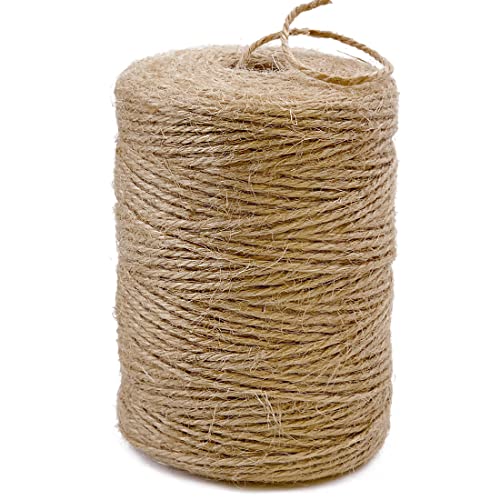
Rough, 100% natural jute fiber gives this twine a grip that holds knots without slipping. Ravenox sells it in 3-ply and heavier options, so gardeners and gift wrappers can pick a thickness to match the job. Packaging, plant staking, and rustic bows all sit within its range.
Pros
- Holds knots securely thanks to rough natural texture
- Biodegradable material suits garden and compost use
- Sold in multiple ply thicknesses for different projects
Cons
- Sheds small fibers that can stick to fabric or hands
- Not as smooth as cotton twine for jewelry work

Mandala Crafts Cotton Twine
Four-ply cotton construction keeps this twine soft enough for macrame, friendship bracelets, and jewelry cord. Dye and paint absorb evenly across its natural white finish. A reusable spool prevents tangling during storage between projects.
Pros
- Smooth texture is gentle on hands during long projects
- Takes fabric dye and paint evenly
- Included spool keeps cord organized during storage
Cons
- Lower breaking strength than jute for heavy packaging
- Can fray at cut ends without a quick flame seal
Cypress Direct Baker’s Twine
A candy-cane color pattern runs through this 12-ply cotton blend, built for decoration rather than load-bearing use. Gift wrapping, bakery box tying, and scrapbooking accents suit it well. Multiple color combinations ship across different spool listings.
Pros
- Low cost per spool for decorative wrapping projects
- Two-tone color pattern adds visual detail without paint
- Wide range of color combinations available
Cons
- Not rated for load-bearing or outdoor use
- Thinner ply count than dedicated packaging twine
Ravenox Cotton Twine
Cotton fiber gives this Ravenox twine a smoother finish than its jute sibling, aimed at gift wrapping and craft displays. Natural, black, and dyed color options cover most packaging themes. Four-ply construction ties clean bows without stiff kinks.
Pros
- Ties smooth bows without stiff kinking
- Available in dyed colors to match packaging themes
- Softer feel than jute for handheld crafts
Cons
- Weaker than jute twine under heavy load
- Colored variants may bleed dye if it gets wet
Golberg Jute Twine
Heavier ply counts set this jute twine apart, built for garden staking, bundling, and light construction crafts. Natural fiber breaks down in soil over a season, which suits ties that end up buried or composted. Thicker ply options carry more weight than standard baker’s twine.
Pros
- Heavier ply options hold more weight than typical twine
- Breaks down naturally when left in soil
- Rough texture resists slipping under tension
Cons
- Coarse texture is less comfortable for handheld crafts
- Natural color limits use where a specific shade matters
Trimming Shop Baker’s Twine
Dozens of solid and two-tone color combinations set this baker’s twine apart from single-shade competitors. Soft 100% cotton construction suits scrapbooking, card making, and gift tags. Spool sizes range from small craft rolls to larger bulk options.
Pros
- Largest color selection among twine options here
- Soft cotton feel suits delicate paper crafts
- Multiple spool sizes fit small or bulk projects
Cons
- Not intended for outdoor or load-bearing use
- Some colors sell out faster than others

T.W. Evans Cordage No. 24 Cotton Twine
Domestic manufacturing gives this cotton twine a consistent No. 24 gauge suited to macrame and weaving. Its tight double twist keeps knots from loosening across long patterns. Natural color takes dye evenly for colored macrame projects.
Pros
- Tight twist keeps macrame knots from loosening
- Consistent gauge makes patterns easier to repeat
- Domestically manufactured with documented specs
Cons
- Higher cost per foot than general craft twine
- Limited to natural color unless hand-dyed
How to pick the right one
What to look for in craft twine Ply count sets how thick and strong a twine feels in hand. A 3-ply jute twine suits rustic packaging, while 12-ply baker’s twine works better for decorative bows. Material matters just as much: cotton feels softer and takes dye evenly, while jute grips knots tighter under tension. Color ranges from natural undyed fiber to bright two-tone patterns.
Jute vs cotton twine Plant fiber gives jute a rougher, more rustic texture than cotton, and it holds up outdoors since it breaks down naturally in soil. Cotton feels smoother against skin and paper, making it the better pick for jewelry, macrame, and gift wrapping. Neither material resists water well, so both weaken once soaked.
Best twine for gift wrapping and packaging Clean, tight bows without stiff kinks come from a twine that stays flexible through repeated tying. Ravenox’s cotton twine and Trimming Shop’s baker’s twine both hold up to that kind of handling. Two-tone patterns, common in baker’s twine, add visual detail without paint or ribbon. Bakery packaging often uses a thinner ply for a tidier finished look.
Best twine for gardening and outdoor projects Sun, rain, and soil contact wear down a twine fast, so garden staking needs a tougher fiber. Golberg’s heavier jute twine and Ravenox’s jute options both survive repeated outdoor tension. Because jute biodegrades, ties left in soil eventually break down instead of piling up like plastic waste. Cotton twine works outdoors short term but wears faster than jute once wet.
Compared at a glance
| # | Model | Material | Best for | Score | Price |
|---|---|---|---|---|---|
| 1 | Ravenox Natural Jute Twine | 100% natural jute fiber | Best overall | 9.3 | Check price |
| 2 | Mandala Crafts Cotton Twine | 100% natural cotton | Best value | 9.0 | Check price |
| 3 | Cypress Direct Baker’s Twine | Cotton blend | Best budget | 8.8 | Check price |
| 4 | Ravenox Cotton Twine | 100% natural cotton | Best for gift wrapping | 8.6 | Check price |
| 5 | Golberg Jute Twine | 100% natural jute fiber | Best for gardening | 8.4 | Check price |
| 6 | Trimming Shop Baker’s Twine | 100% cotton | Best for color variety | 8.2 | Check price |
| 7 | T.W. Evans Cordage No. 24 Cotton Twine | 100% cotton | Best for macrame | 8.0 | Check price |
Frequently asked questions
What is the strongest type of craft twine?
Jute twine generally handles more tension than cotton twine at the same ply count, which is why gardeners and packaging use it more often than baker’s twine.
Is jute or cotton twine better for macrame?
Cotton works better for macrame because of its smoother texture and tighter, more consistent twist, which keeps knots from loosening as a pattern grows.
How many feet of twine come on a standard craft spool?
Most craft twine spools hold between 100 and 300 feet, though heavier-ply jute and bulk baker’s twine rolls can run longer.
Can craft twine be used outdoors for gardening?
Yes. Jute twine works well outdoors since it biodegrades naturally, and cotton twine can too, though it wears out faster when repeatedly wet.
What does ply count mean on a twine label?
Ply count refers to how many individual strands are twisted together. Higher ply counts, like 12-ply baker’s twine, feel thicker and often hold up to more handling.
Baker’s twine vs jute twine: what is the difference?
Baker’s twine is typically a soft cotton blend made for decorative tying, while jute twine is a rougher natural fiber suited to packaging and gardening.
Does craft twine fray at the ends?
Cotton and jute twine can both fray when cut. A quick pass over a flame or a dab of clear glue on the cut end usually stops it.
Can craft twine be dyed a different color?
Natural cotton and jute twine both accept fabric dye, though cotton takes color more evenly. Pre-dyed baker’s twine already comes in set color combinations.
What is the best twine for tying bakery boxes?
A thin cotton baker’s twine like Cypress Direct’s or Trimming Shop’s ties a tidy bow on bakery boxes without adding bulk.
Is craft twine safe for compost or garden soil?
Natural jute twine breaks down in soil over time, so ties left buried or composted do not leave synthetic residue behind.
Our take
Ravenox’s Natural Jute Twine covers the widest range of projects, from packaging to garden staking, making it the safest first purchase. Crafters focused on macrame or jewelry should reach for Mandala Crafts Cotton Twine instead, since its softer feel suits detailed knotting. Gift wrappers working within a tight budget can stick with Cypress Direct’s baker’s twine and still get a clean, decorative tie.
Jake Monroe
Jake worked as a residential contractor for over a decade before shifting to full-time writing. He evaluates power tools, hand tools and workshop gear through the lens of someone who has actually used them on job sites, not just read the box.