Tacky, Fabric, or Wood Glue: How to Pick the Right One
Aleene’s Original Tacky Glue is the best all-around craft glue, bonding wood, paper, and fabric without soaking thin materials. Beacon Fabri-Tac suits no-sew fabric projects best, staying flexible through a wash cycle. Titebond II Premium Wood Glue leads for wood crafts that need a water-resistant, sandable joint.
Aleene’s Original Tacky Glue bonds wood, paper, and fabric from one bottle, making it the strongest all-around pick for mixed-media crafters. Full cure still takes up to 24 hours, so sewers needing an instant hold often reach for Beacon Fabri-Tac instead.
Fabric glue, wood glue, and tacky glue are not interchangeable, and using the wrong one can stain fabric or fail on ceramic. We compared listed formulas, dry times, and surface compatibility across seven popular Amazon glues, then weighed owner feedback from real projects.
What we recommend

Aleene’s Original Tacky Glue
A thick, fast-tack formula grips wood, paper, fabric, and ceramic without soaking through thin material. It dries clear and stays flexible enough for fabric trims and appliques. Many mixed-media crafters keep this as their default bottle.
Pros
- Holds thin fabric and paper without soak-through
- Dries clear and stays flexible after curing
- Works across wood, paper, and ceramic from one bottle
Cons
- Full cure takes a full day
- Thick formula needs spreading by hand on larger surfaces

Beacon Fabri-Tac Permanent Adhesive
Fabri-Tac targets sewing and no-sew fabric work, bonding trim, lace, and appliques in under a minute. Its dried bond stays flexible and survives a machine wash cycle. A precision tip helps control small dabs on delicate fabric.
Pros
- Fast tack for hemming and appliques
- Flexible bond survives washing
- Precision tip limits mess on thin fabric
Cons
- Strong odor until fully cured
- Overapplying can stain very light or sheer fabric

Titebond II Premium Wood Glue
Titebond II is a Type II water-resistant wood glue built for furniture joints, not general crafting. Once cured, it dries a natural wood tone and sands smooth. Load-bearing wood joints hold longer with this than with general tacky glue.
Pros
- Sandable, natural-color dried bond
- Water-resistant for outdoor wood projects
- Stronger joint strength than tacky glue on wood
Cons
- Not designed for fabric or paper
- Clamping is required for the strongest joint
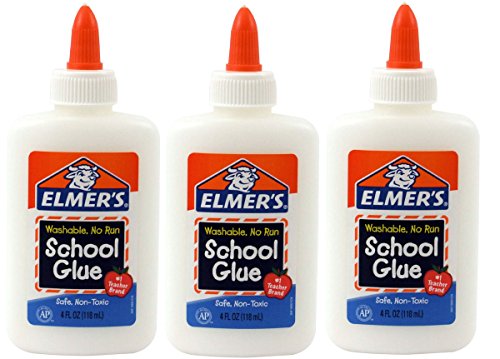
Elmer’s Washable No-Run School Glue
This school glue uses a no-run tip designed for small hands and classroom projects. Its washable formula rinses out of clothing and carpet with plain water. Paper and cardboard crafts dry clear with typical classroom use.
Pros
- Washes out of clothing and skin easily
- No-run tip reduces spills for young kids
- Non-toxic formula meets ASTM D-4236 standards
Cons
- Weaker bond than tacky glue on heavier materials
- Initial tack is slower than fabric or hot glue
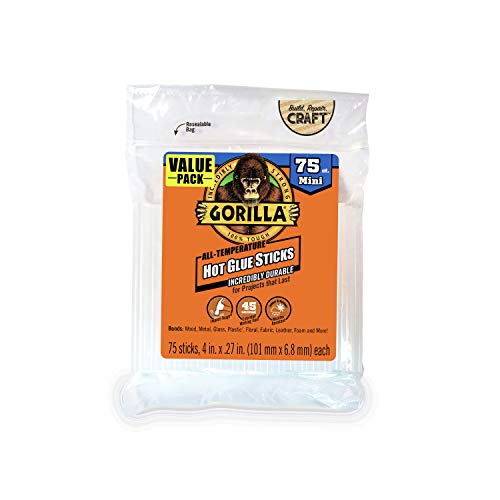
Gorilla Hot Glue Sticks Mini Size
These mini sticks fit standard mini hot glue guns and set in under a minute on foam, wood, and fabric. Textured surfaces where liquid glue struggles to grip hold well with this hot bond. One pack covers dozens of small projects.
Pros
- Sets fast, so pieces hold position quickly
- Strong grip on foam and textured surfaces
- Pack size covers many small projects
Cons
- Requires a hot glue gun to use
- Bond can soften again in heat or direct sun

3M Super 77 Multipurpose Spray Adhesive
Super 77 sprays an even, permanent bond across large surfaces like foam board, cardboard, and fabric. Unlike liquid glue, it avoids wrinkles when mounting photos or paper to a backing board. Coverage speed beats brush-on glue for collage work.
Pros
- Even coverage with no brush marks or wrinkles
- Fast bond for mounting and collage projects
- Covers large surfaces faster than liquid glue
Cons
- Needs ventilated space due to aerosol fumes
- Some states restrict sale under VOC rules
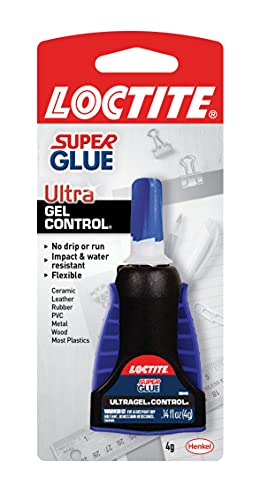
Loctite Super Glue Gel Control
This cyanoacrylate gel sets in seconds and stays put on vertical surfaces instead of dripping. Small parts like beads, charms, and broken ceramic pieces suit its control applicator. A wider range of materials bonds here than with tacky or fabric glue.
Pros
- Gel formula will not drip on vertical parts
- Sets in seconds for small repairs
- Bonds more material types than craft-specific glues
Cons
- Small tube runs out fast on bigger projects
- Cured bond isn’t flexible, so it fits fabric poorly
What matters most
What to look for in craft glue Formula type decides what a glue can actually hold. Tacky glue grips porous material like wood and paper. Cyanoacrylate super glue bonds nonporous surfaces such as ceramic and metal within seconds. Hot glue bridges gaps between mismatched textures where liquid glue struggles. Dry time matters almost as much as strength, since a fast set helps kids’ projects while a slow cure rewards patience with a tougher joint. Check the listed surface compatibility before buying, since fabric glue on bare wood usually underperforms a wood-specific formula.
Matching glue type to your project Fabric projects need flexibility after drying, so a rigid glue like cyanoacrylate can crack fabric fibers over time. Wood crafts benefit from a water-resistant, sandable adhesive such as Titebond II, especially pieces handled often or left outdoors. Paper and cardboard collage work favors spray adhesive for even coverage across a large flat area, avoiding the puckering liquid glue causes. Mixed-media projects combining wood, paper, and fabric tend to do best with a general tacky glue like Aleene’s.
Best glue for kids and classroom projects Young crafters need a washable, low-odor formula that rinses out of clothing and skin without solvents. A no-run tip reduces spills during group projects, which matters more in a classroom than raw bond strength. Hot glue and cyanoacrylate super glue both pose burn or bonding risks for small hands and should stay with adult supervision. School glue trades some strength for safety, so it suits paper and light fabric rather than wood joints.
Using hot glue guns and spray adhesive safely Hot glue melts at temperatures that can burn skin on contact, so a low-temp glue gun suits kids better than a full-heat model. Spray adhesive releases fumes that call for open windows or outdoor use, and some states restrict aerosol adhesives like 3M Super 77 under VOC regulations. Overspray travels further than a liquid glue drip, so cover surrounding surfaces before spraying. Both formulas reward a test patch on scrap material before committing to the final piece.
The lineup, side by side
| # | Model | Formula type | Best for | Score | Price |
|---|---|---|---|---|---|
| 1 | Aleene’s Original Tacky Glue | Thick tacky glue | Best overall | 9.4 | Check price |
| 2 | Beacon Fabri-Tac Permanent Adhesive | Permanent fabric adhesive | Best for fabric crafts | 9.1 | Check price |
| 3 | Titebond II Premium Wood Glue | Type II water-resistant wood glue | Best for wood crafts | 8.8 | Check price |
| 4 | Elmer’s Washable No-Run School Glue | Washable PVA school glue | Best for kids | 8.6 | Check price |
| 5 | Gorilla Hot Glue Sticks Mini Size | Hot melt adhesive sticks | Best for hot glue guns | 8.4 | Check price |
| 6 | 3M Super 77 Multipurpose Spray Adhesive | Aerosol spray adhesive | Best for large surfaces and spray projects | 8.2 | Check price |
| 7 | Loctite Super Glue Gel Control | Cyanoacrylate gel super glue | Best value for precision repairs | 8.0 | Check price |
Frequently asked questions
What is the best glue for fabric crafts?
Beacon Fabri-Tac is built specifically for fabric, bonding trim, lace, and appliques while staying flexible and machine-washable after curing.
Is tacky glue the same as regular white glue?
No, tacky glue is thicker and grips faster than standard white school glue, which helps craft material hold position while drying.
Can you use hot glue on fabric?
Yes, hot glue sticks like Gorilla’s mini sticks bond fabric for no-sew projects, though the cured bond is stiffer and less washable than a dedicated fabric adhesive.
What is the best glue for kids’ craft projects?
Elmer’s Washable No-Run School Glue suits classroom use, with a washable formula and no-run tip built for small hands and paper crafts.
Does super glue work on wood?
Loctite Super Glue Gel bonds wood in seconds, but a dedicated wood glue like Titebond II gives a stronger, more durable joint for load-bearing crafts.
How long does craft glue take to dry?
Dry time varies by formula, from 10 to 45 seconds for cyanoacrylate super glue up to 24 hours for wood glue and tacky glue to fully cure.
Spray adhesive vs glue stick, which is better for scrapbooking?
Spray adhesive like 3M Super 77 covers large flat pages evenly without wrinkling paper, while a glue stick gives more control for small cutouts and photo corners.
Is wood glue stronger than tacky glue?
On wood-to-wood joints, yes, Titebond II forms a water-resistant bond that outlasts tacky glue, though tacky glue handles mixed material like paper and fabric better.
Which glue works best on ceramic?
Loctite Super Glue Gel bonds ceramic in seconds with a no-drip gel, while Aleene’s Tacky Glue also grips ceramic for lower-stress craft repairs.
Can craft glue be used outdoors?
Titebond II resists water once cured, making it a better outdoor pick than tacky or fabric glue, which soften with repeated moisture exposure.
Our pick
Aleene’s Original Tacky Glue suits most crafters, bonding wood, paper, and fabric from a single bottle without the setup a glue gun or sprayer needs. Sewers and no-sew fabric crafters should reach for Beacon Fabri-Tac instead, and anyone building wood joints that need to survive handling or moisture should choose Titebond II Premium Wood Glue.
Jake Monroe
Jake worked as a residential contractor for over a decade before shifting to full-time writing. He evaluates power tools, hand tools and workshop gear through the lens of someone who has actually used them on job sites, not just read the box.