What Makes a Cordless Leaf Blower Worth Buying?
The EGO Power+ LB6504 tops this group with 650 CFM airflow and a long run time from its included battery. The Greenworks Pro 80V suits larger lots, and the DeWalt DCBL722B is the easy pick for anyone already on the 20V MAX platform.
Most homeowners get the best overall mix from the EGO Power+ LB6504, which blends high airflow with a genuinely long run time on one charge. Large yards benefit more from the sustained power of the Greenworks Pro 80V. Anyone already holding DeWalt, Makita, or Milwaukee batteries can skip straight to the matching bare tool.
Marketing numbers rarely tell the full story here, since peak MPH and CFM are usually measured separately and run time drops sharply at full power. We compared published specifications, manufacturer run time claims, and patterns in verified owner feedback, weighting real world airflow, battery life, weight, and noise over headline figures.
What to look for
How much airflow does your yard actually need? Airflow, measured in cubic feet per minute (CFM), matters more than air speed for most yard work. A small yard or hard surface needs only 350 to 500 CFM. Larger lots or wet, matted leaves call for 550 CFM or more. Watch for listings that advertise peak MPH and CFM separately, since blowers rarely hit both numbers at once.
Battery voltage and run time explained Higher voltage platforms like 56V and 80V tend to sustain power better under load, while 18V and 20V tools prioritize light weight instead. Run time depends heavily on the speed setting: a battery rated for 90 minutes on low may last only 15 to 20 minutes on turbo. A large yard usually calls for a bigger amp-hour battery or a charged spare on hand.
Weight, balance, and noise on longer sessions A blower that feels light in the store can strain your wrist after 20 minutes of real use. Balanced designs and cruise-control levers let you hold a steady speed without squeezing the trigger the whole time. Cordless models also run noticeably quieter than gas, though turbo modes still get loud.
Should you buy into an existing battery system? Bare-tool models like the DeWalt, Makita, and Milwaukee blowers offer strong value if you already own compatible batteries. Starting fresh means factoring the cost of a battery and charger into the decision. Consider which other tools might join the same platform later before committing.
Our top picks

EGO Power+ LB6504
A variable speed trigger and turbo boost push this blower to 650 CFM, enough to move wet leaves and light debris across a driveway. Owners report the included 5.0Ah battery lasts through most suburban yards on one charge. Balanced weight distribution keeps wrist strain low during longer sessions.
Pros
- Strong turbo airflow for wet leaves
- Long run time from included 5.0Ah battery
- Comfortable, well-balanced handling
Cons
- Heavier than smaller 40V models
- Turbo mode drains the battery quickly
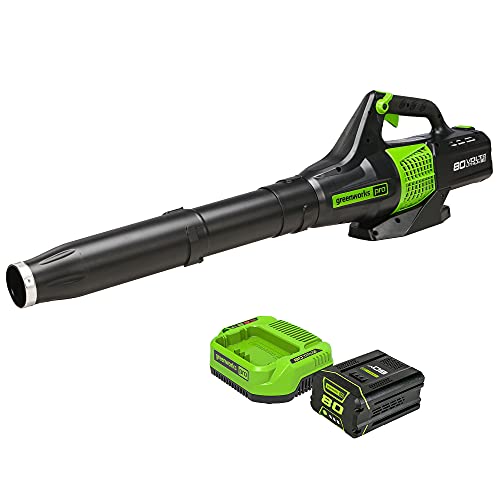
Greenworks Pro 80V Cordless Blower
An 80V brushless motor delivers steady axial airflow built for clearing large open lawns rather than quick bursts. Based on specifications, it favors sustained output over peak numbers. Owners note the cruise-control lever cuts hand fatigue during long clearing sessions.
Pros
- High-voltage platform for sustained power
- Cruise control reduces fatigue
- Lighter than many 56V rivals
Cons
- Battery ecosystem is pricier to expand
- Peak air speed trails top models
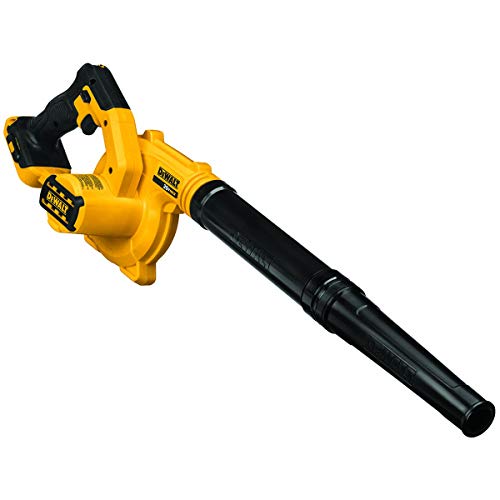
DeWalt DCBL722B 20V MAX Blower
Sold as a bare tool, this blower is the obvious pick for anyone already holding DeWalt 20V MAX batteries. Its brushless motor and variable speed trigger with lock make output easy to control. Owners point out it suits general cleanup rather than moving heavy wet piles.
Pros
- Very light and easy to maneuver
- Uses existing DeWalt 20V MAX batteries
- Variable speed with trigger lock
Cons
- Battery not included
- Not ideal for large or wet debris
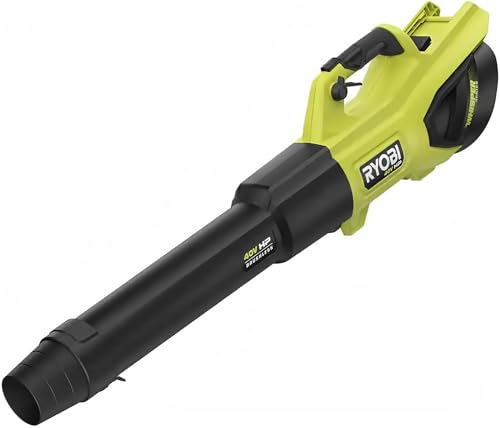
Ryobi 40V HP Whisper Series Jet Fan (RY404100)
High headline numbers for airflow and speed come paired with a quieter motor than most rivals in the Whisper Series lineup. Owners report it clears dry leaves quickly, and the wide Ryobi 40V ecosystem makes adding batteries straightforward.
Pros
- High peak airflow and speed on paper
- Quieter than most competitors
- Large, affordable 40V battery ecosystem
Cons
- Run time drops fast at full power
- Peak figures are not sustained
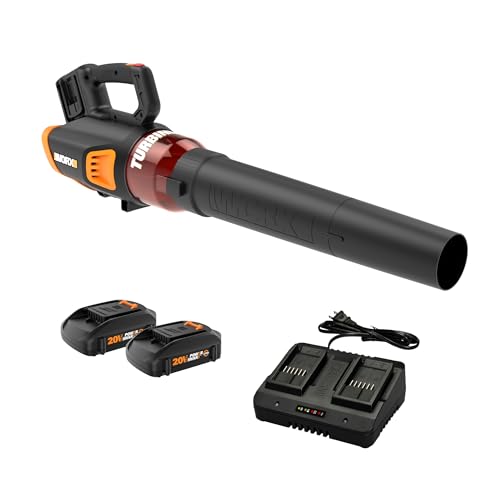
Worx WG584 40V Turbine Blower
Two 20V batteries combine for 40V output here, driving a turbine fan with hyper-stream and wide-nozzle attachments. Owners like getting two batteries and a charger in the box. It is aimed more at driveways and patios than sprawling lawns.
Pros
- Two batteries and charger included
- Swappable nozzles for different tasks
- Reasonable weight for the power
Cons
- Uses two battery slots at once
- Better for cleanup than large yards

Makita XBU02Z 18V X2 LXT Blower
Two 18V LXT batteries run in series here for 36V output, appealing to owners already in the Makita cordless system. Sold bare, it offers cruise control and a slim profile. Shorter cleanup sessions around the home suit it best.
Pros
- Fits the popular Makita LXT system
- Cruise control for steady output
- Slim, controllable profile
Cons
- Batteries sold separately
- Needs two 18V packs to run
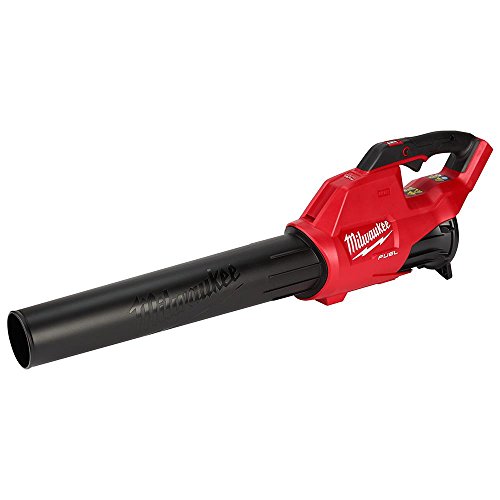
Milwaukee M18 Fuel Blower (2724-20)
Jobsite cleanup is the target use case for this blower, built on Milwaukee’s professional M18 battery platform. A durable brushless motor delivers consistent airflow across long shifts. Sold as a bare tool, it fits contractors who already carry M18 packs, though homeowners may prefer lighter options.
Pros
- Rugged, jobsite-ready build
- Works with the M18 tool platform
- Consistent brushless performance
Cons
- Battery not included
- Overkill for small yards
Side by side
| # | Model | Air volume | Best for | Score | Price |
|---|---|---|---|---|---|
| 1 | EGO Power+ LB6504 | 650 CFM | Best overall | 9.4 | Check price |
| 2 | Greenworks Pro 80V Cordless Blower | 580 CFM | Best for large yards | 9.1 | Check price |
| 3 | DeWalt DCBL722B 20V MAX Blower | 450 CFM | Best for tool-system owners | 8.9 | Check price |
| 4 | Ryobi 40V HP Whisper Series Jet Fan (RY404100) | 730 CFM | Best value | 8.6 | Check price |
| 5 | Worx WG584 40V Turbine Blower | 480 CFM | Best for two-battery power | 8.4 | Check price |
| 6 | Makita XBU02Z 18V X2 LXT Blower | 473 CFM | Best for compact handling | 8.2 | Check price |
| 7 | Milwaukee M18 Fuel Blower (2724-20) | 450 CFM | Best for pro contractors | 8.0 | Check price |
Good to know
Are cordless leaf blowers powerful enough for a big yard?
Yes, higher-voltage models such as the EGO 56V and Greenworks 80V handle large suburban lots, especially with a spare battery on hand. Very large or wooded properties with heavy wet leaves may still call for a gas or backpack blower.
CFM or MPH, which matters more?
CFM, or air volume, moves piles of leaves and matters most for general cleanup. MPH, or air speed, helps dislodge stuck or wet debris. The strongest blowers balance both, but CFM should carry more weight in the decision.
How long do cordless leaf blower batteries last per charge?
Run time swings widely with the speed setting. Many blowers run 60 to 90 minutes on low but only 15 to 20 minutes on turbo. A larger amp-hour battery extends run time, and a second pack keeps work going while one charges.
Do bare-tool blowers come with a battery?
No. Bare-tool models like the DeWalt DCBL722B, Makita XBU02Z, and Milwaukee M18 Fuel are sold without a battery or charger. These suit buyers who already own compatible packs from the same brand.
Are cordless blowers quieter than gas models?
Generally, yes. Cordless blowers run noticeably quieter, which helps in neighborhoods with noise ordinances. Turbo modes still produce real noise, so hearing protection is worth using for long sessions.
Can a cordless leaf blower move wet leaves?
Higher-CFM models can move damp and lightly matted leaves, especially in turbo mode. Very wet, compacted piles stay difficult for any handheld blower and may need to dry out or get raked first.
How much maintenance do cordless blowers need?
Very little, since there is no engine, oil, or spark plug involved. Keeping intake vents clear and storing batteries at moderate temperatures covers most of it. That is a major advantage over gas blowers.
Is a higher voltage platform always the better buy?
Not necessarily. Higher voltage sustains power better under load, but it adds weight and cost. Small yards and hard surfaces are often better served by a lighter 18V or 40V blower.
Best cordless leaf blower for someone who already owns cordless tools?
Staying within a battery system already at home saves money, since batteries and chargers carry over. This is exactly why bare-tool blowers are popular among owners already invested in a brand.
The bottom line
For most homeowners, the EGO Power+ LB6504 offers the strongest mix of airflow, run time, and comfortable handling. Large yards do better with the sustained power of the Greenworks Pro 80V, while owners already on a battery platform get the best value from the bare-tool DeWalt, Makita, or Milwaukee options.
Sierra Daniels
Sierra's background is in landscape design and nursery retail. She focuses on lawn and garden equipment, outdoor furniture and gear durability, weighing published specs against how materials actually hold up outside.
You might also need

Blades, Batteries or Attachments: What’s Worth Buying?
Commercial Leaf Blowers That Tackle Any Property
Tiny But Mighty: Compact Brushless Leaf Blowers for Quick Yard Cleanup
