Compact Camping Mattresses That Pack Small and Sleep Big
The Therm-a-Rest NeoAir XLite NXT is the top pick for most backpackers. It offers the best warmth-to-weight ratio and packs down to the size of a water bottle. Its main drawback is the crinkly noise when you move at night.
A good night’s sleep is the difference between a great trip and a miserable one. But when you’re carrying everything on your back, every ounce counts. Compact camping mattresses solve this by combining small packed sizes with adequate cushioning.
We compared the most popular ultralight and compact options on the market. Our focus is on real-world suitability for backpacking and bikepacking. We looked at specifications, owner reviews, and durability reports to bring you this list.
How to choose
The shortlist, ranked
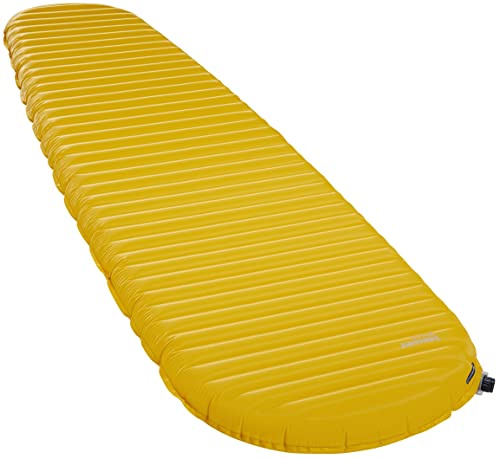
Therm-a-Rest NeoAir XLite NXT
This mattress has been a favorite for years, and the NXT version is lighter and warmer. It provides 4-season insulation with a 2.5-inch thickness. Owners report that it’s comfortable for side sleepers, though it does crinkle.
Pros
- Excellent warmth-to-weight ratio
- Packs incredibly small
- Comfortable for side sleepers
Cons
- Crinkly noise when moving
- Premium price

Sea to Summit Ultralight Insulated Air Sleeping Mat
This mat uses a unique air-sprung cell design that feels more like a real mattress. It’s quiet and provides excellent support. The insulated version has an R-value of 1.3, making it a 3-season mat. It’s slightly heavier than the NeoAir but more comfortable for many.
Pros
- Very comfortable and quiet
- Packs down small
- Durable fabric
Cons
- Not warm enough for cold weather
- Inflating takes a few minutes

Nemo Tensor Insulated Sleeping Pad
The Tensor is known for its stability and comfort. It uses thermal mirror insulation to reflect body heat, giving an R-value of 4.2. It’s quiet and has a plush feel. Owners appreciate the included stuff sack and repair kit.
Pros
- Warm and comfortable
- Quiet material
- Stable sleeping surface
Cons
- A bit heavier than some
- Small leaks reported by a few

Klymit Static V2
The Static V2 features V-shaped chambers that cradle your body and prevent roll-off. It’s wide and comfortable, with an R-value of 1.3. It packs down to a decent size, though not as tiny as the premium options. Owners love the price.
Pros
- Affordable
- Comfortable and roomy
- Easy to inflate
Cons
- Not very warm
- Bulky when packed

Exped Ultra 3R
Exped mats are known for their robust construction and high R-values. The Ultra 3R has an R-value of 2.9 and features vertical baffles that provide excellent support. It’s a bit heavier but very durable. Owners report it’s comfortable for all sleeping positions.
Pros
- High R-value
- Durable construction
- Comfortable vertical baffles
Cons
- Heavier and bulkier
- More expensive

Big Agnes Insulated Q-Core Deluxe
This pad is 3.5 inches thick, offering superior cushioning for side sleepers. It has an R-value of 4.5 and a quilted top that adds comfort. It’s heavier and packs larger, but for car camping or short hikes, it’s a luxury.
Pros
- Very thick and comfortable
- High R-value
- Quilted top feels nice
Cons
- Heavy for backpacking
- Bulky when packed

REI Co-op Flash Insulated Air Sleeping Pad
REI’s Flash pad offers a good balance of warmth and packability at a reasonable price. It has an R-value of 3.7 and weighs under a pound. It’s not as plush as others but works well for most trips. Owners appreciate the price and the small packed size.
Pros
- Lightweight and compact
- Good warmth for the price
- Affordable
Cons
- Not as durable as premium brands
- Narrower than some
How they compare
| # | Model | R-Value | Best for | Score | Price |
|---|---|---|---|---|---|
| 1 | Therm-a-Rest NeoAir XLite NXT | 4.5 | Ultralight backpackers who want maximum warmth per ounce | 9.4 | Check price |
| 2 | Sea to Summit Ultralight Insulated Air Sleeping Mat | 1.3 | Campers who want a quiet, comfortable night’s sleep | 9.2 | Check price |
| 3 | Nemo Tensor Insulated Sleeping Pad | 4.2 | Backpackers who want a balance of warmth and comfort | 9.0 | Check price |
| 4 | Klymit Static V2 | 1.3 | Budget-conscious campers who want a roomy, comfortable pad | 8.7 | Check price |
| 5 | Exped Ultra 3R | 2.9 | Winter campers who need reliable insulation | 8.9 | Check price |
| 6 | Big Agnes Insulated Q-Core Deluxe | 4.5 | Campers who want extra thickness and plushness | 8.8 | Check price |
| 7 | REI Co-op Flash Insulated Air Sleeping Pad | 3.7 | Backpackers who want a compact, affordable 3-season pad | 8.5 | Check price |
Common questions
What R-value do I need for camping?
R-value measures insulation. For summer, an R-value of 1 to 2 is enough. For 3-season camping, 2 to 4 works. For winter, you need 4.5 or higher. If you sleep cold, add extra insulation.
How thick should a camping mattress be?
Thickness affects comfort. Side sleepers generally need 3 inches or more to prevent hip pain. Back sleepers can manage with 2 inches. Thicker pads are heavier and bulkier. Consider your sleeping position and weight.
Are self-inflating pads better than air pads?
Self-inflating pads contain foam that expands, but they still need a few breaths to firm up. They are more durable and provide better insulation, but they are heavier and bulkier. Air pads offer more comfort and pack smaller, but they can puncture.
How do I fix a leak in my camping mattress?
Locate the leak by inflating the pad and listening or submerging it in water. Mark the spot, dry it, and apply a patch from a repair kit. For larger tears, use tenacious tape. Always carry a repair kit.
Can I use a camping mattress for car camping?
Yes, you can use these compact mattresses for car camping, but they may not be as thick or wide as dedicated car camping models. If you prioritize space in your vehicle, a compact mattress is a good choice.
What is the best material for a camping mattress?
Nylon and polyester are common. Nylon is lighter and packs smaller, while polyester is more puncture-resistant. Some pads use a combination. Look for ripstop fabric for extra durability.
How do I store my camping mattress?
Store it unrolled and slightly inflated to maintain its shape and prevent creases. Keep it away from extreme heat and cold. Before storage, clean it with a mild soap and let it dry completely.
Are these mattresses suitable for side sleepers?
Many are. Look for pads at least 2.5 inches thick. Some have special designs like vertical baffles or air cells that provide targeted support. The Nemo Tensor and Sea to Summit are often recommended for side sleepers.
How do I inflate my mattress without a pump?
You can use the stuff sack as a pump if it has a valve adapter. Otherwise, you can blow it up with your mouth. Some pads come with a pump sack. For a faster method, use a rechargeable pump.
What is the lifespan of a camping mattress?
With proper care, a quality pad can last several years. Air pads may develop leaks over time. Foam pads last longer. Always patch small punctures immediately. Avoid storing it compressed for long periods.
The verdict
For most backpackers, the Therm-a-Rest NeoAir XLite NXT is the best overall choice because it offers an unbeatable combination of low weight, small packed size, and high warmth. If you are on a budget and can tolerate a bit more bulk, the Klymit Static V2 gives you great comfort for less money. For those who sleep cold, the Exped Ultra 3R provides reliable insulation without excessive weight. Choose the one that aligns with your trip type and personal comfort needs.
Derek Holt
Derek has a background coaching recreational and amateur athletes and has worked the sales floor at specialty fitness retailers. He focuses on equipment durability, ergonomics and realistic use cases rather than marketing claims.


