Compact Hydration Backpacks That Keep You Moving
For most trail runners and day hikers, the Ultimate Direction Ultra Vesta is the top pick because it offers a stable, form-fitting harness with two soft flasks and ample storage. Its main limitation is that it does not include a hydration reservoir, so you will need to buy one separately if you prefer a bladder.
Carrying water on a run or short hike should not slow you down. A compact hydration backpack lets you stay hydrated while keeping your hands free. The key is finding one that fits snugly without bouncing.
We compared seven popular models from brands like CamelBak, Osprey, and Salomon. Each excels in different areas, such as storage, breathability, or reservoir integration. Read on to find the one that matches your activity.
How to choose
The best picks, ranked
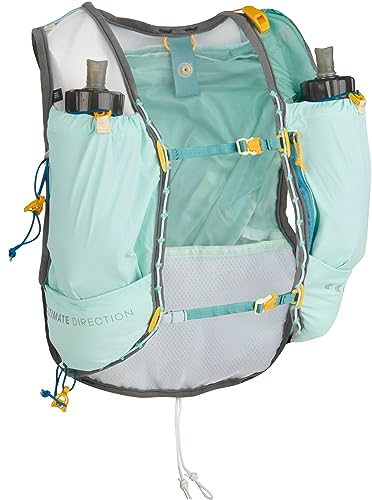
Ultimate Direction Ultra Vesta
The Ultra Vesta is a women’s-specific vest that fits like a glove. It has two 500ml soft flasks in front and a large back pocket for gear. The four-way stretch mesh keeps contents secure. Owners report minimal bounce even when fully loaded.
Pros
- Superb stability and comfort
- Easy access to flasks without stopping
- Breathable mesh back panel
Cons
- No reservoir included
- May be too small for winter layers

CamelBak Women’s Circuit Vest
The Circuit Vest comes with a 1.5-liter Crux reservoir that delivers 20% more water per sip. It has adjustable sternum straps and a secure fit. The back panel is ventilated to reduce heat buildup. Owners say it carries weight well and keeps water tasting clean.
Pros
- Integrated reservoir with quick disconnect
- Good ventilation
- Adjustable fit for different torso lengths
Cons
- Slightly heavier than flask-only vests
- Reservoir can be tricky to refill on the go

Salomon Adv Skin 5 Set
The Adv Skin 5 Set is a minimalist vest that uses a Sensifit construction for a close, comfortable fit. It comes with two 500ml soft flasks and has multiple stretch pockets for nutrition. The back panel is made of breathable mesh. Runners appreciate the low bounce and easy access to gear.
Pros
- Featherlight and breathable
- Excellent pocket layout for quick access
- Secure fit with minimal bounce
Cons
- No reservoir option
- Limited space for bulky items
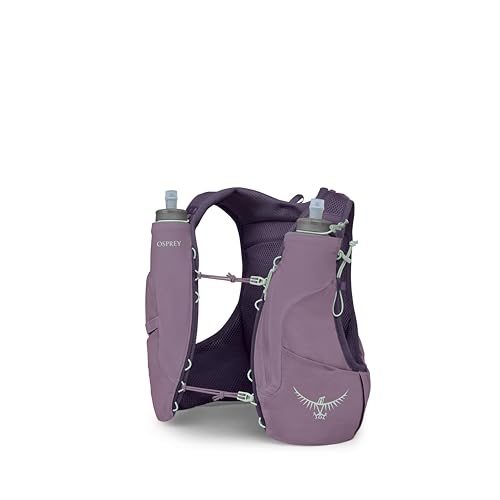
Osprey Dyna 1.5
The Dyna 1.5 is a unisex vest that offers 1.5 liters of water in two front flasks. It has a stretch mesh back panel and a zippered pocket for keys or phone. The fit is adjustable with multiple sternum straps. Owners like the balance of storage and minimalism.
Pros
- Great ventilation
- Comfortable for all-day wear
- Good pocket organization
Cons
- Flasks are a bit bulky
- Not ideal for carrying a DSLR
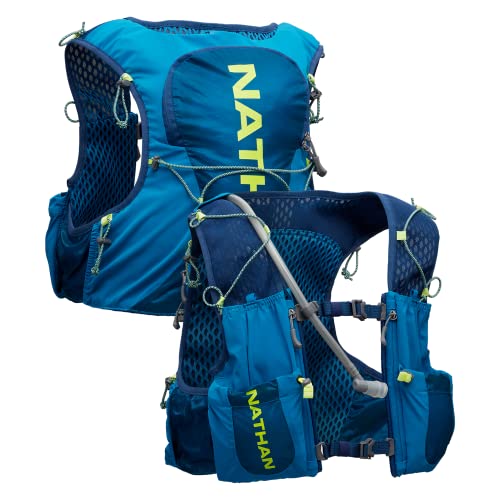
Nathan VaporAir 2.0
The VaporAir 2.0 features a mesh back and shoulder straps that maximize airflow. It includes two 10 oz soft flasks and has a smart pocket layout for gels and phone. The vest has a secure fit with multiple adjustment points. Runners report less sweating and chafing.
Pros
- Excellent airflow
- Very lightweight
- Adjustable and secure
Cons
- Small capacity
- No reservoir compatibility

CamelBak Lobo
The Lobo is a versatile pack that comes with a 2-liter Crux reservoir. It has a padded back panel and a breathable harness. The pack includes a magnetic tube management system and a roll-top closure for easy access. Owners find it comfortable even on rough trails.
Pros
- Large reservoir capacity
- Durable construction
- Great for cycling
Cons
- Heavier than others
- Not as sleek for running
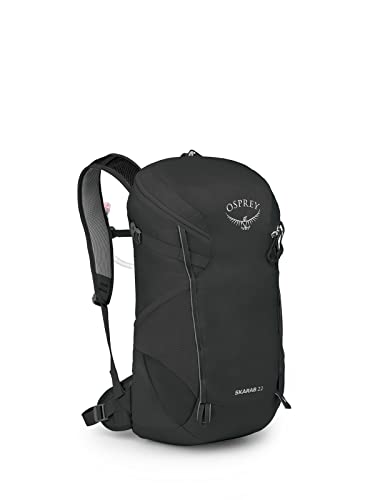
Osprey Skarab 10
The Skarab 10 is a compact daypack with a 2.5-liter reservoir included. It has a breathable backpanel and a roll-top closure that expands storage. The pack includes a rain cover and multiple pockets. Hikers appreciate the extra space for layers and snacks.
Pros
- Large capacity for its size
- Comes with rain cover
- Reservoir included
Cons
- Bulky for running
- Harness is less adjustable
How they stack up
| # | Model | Capacity | Best for | Score | Price |
|---|---|---|---|---|---|
| 1 | Ultimate Direction Ultra Vesta | 11 liters | Trail running and fast day hikes | 9.4 | Check price |
| 2 | CamelBak Women’s Circuit Vest | 9 liters | All-day adventures with reservoir | 9.1 | Check price |
| 3 | Salomon Adv Skin 5 Set | 5 liters | Long trail runs | 9.0 | Check price |
| 4 | Osprey Dyna 1.5 | 6 liters | Fast day hikes | 8.9 | Check price |
| 5 | Nathan VaporAir 2.0 | 4 liters | Hot weather runs | 8.7 | Check price |
| 6 | CamelBak Lobo | 8 liters | Mountain biking and hiking | 8.5 | Check price |
| 7 | Osprey Skarab 10 | 10 liters | Day hikes with extra gear | 8.4 | Check price |
Questions worth asking
What is the best capacity for a compact hydration backpack?
For trail runs and short hikes, a capacity between 4 and 10 liters is ideal. A 5-liter vest is great for carrying just water and essentials. If you need extra layers or food, look for 8 to 10 liters. The best capacity depends on the duration and your packing needs.
Should I choose a hydration pack with a reservoir or soft flasks?
Reservoirs hold more water and are easier to drink from hands-free, but they are heavier and harder to refill. Soft flasks are lighter and can be accessed quickly, but they hold less water. For short runs, soft flasks are convenient. For longer adventures, a reservoir may be better.
Can I use a hydration pack for mountain biking?
Yes, many hydration packs are designed for mountain biking. Look for models with a stable harness and a reservoir. The CamelBak Lobo is a good option because it has a secure fit and a large reservoir. Ensure the pack does not interfere with your helmet or movement.
How do I clean a hydration reservoir?
After each use, rinse the reservoir with warm water and mild soap. Use a cleaning brush to scrub the inside. You can use a solution of baking soda and water to remove odors. Always air dry with the cap open. Store the reservoir in a cool, dry place. Refer to the manufacturer’s instructions for specific care.
Are hydration packs allowed in carry-on luggage?
Most airlines allow empty hydration packs in carry-on luggage. The bladder must be empty and clean. Check with your airline for specific rules. It is a good idea to pack the reservoir in a clear plastic bag to avoid leaks.
What is the difference between a hydration vest and a hydration pack?
A hydration vest is a body-hugging design that is lightweight and stable for running. It usually has front pockets for quick access. A hydration pack is a more traditional backpack style with a larger capacity and often includes a reservoir. Vests are better for high-intensity activities, while packs are more versatile for hiking and cycling.
How should a hydration backpack fit?
The pack should fit snugly against your body without restricting movement. Adjust the shoulder straps so the pack sits high on your back. The sternum strap should be at chest level. There should be no gaps or excessive bounce. For vests, the fit should be snug but comfortable. Try it with water to see how it feels.
Can I add a hydration bladder to any pack?
Most packs have a dedicated sleeve or hook for a hydration bladder. If your pack does not have one, you can often attach a bladder using clips or straps. However, ensure the pack has a tube port and enough space. Check the pack’s specifications for compatibility.
The verdict
If you are a trail runner or fast hiker, the Ultimate Direction Ultra Vesta is the best choice for its superior fit and stability. For those who prefer a reservoir, the CamelBak Women’s Circuit Vest offers a great balance of storage and hydration. If you need more capacity for day hikes, the Osprey Skarab 10 is a reliable pack with extra space. Choose based on your activity and hydration preference.
Sierra Daniels
Sierra's background is in landscape design and nursery retail. She focuses on lawn and garden equipment, outdoor furniture and gear durability, weighing published specs against how materials actually hold up outside.