Cat Carriers With Enough Pockets to Stay Organized
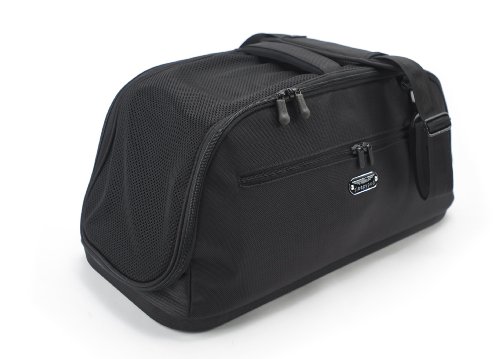
The Sherpa Original Deluxe Pet Carrier is the best overall organizer-style cat carrier, pairing a front zip pocket for supplies with a soft-sided body cats tolerate well. PetAmi’s Premium Cat Carrier adds the most storage pockets for vet visits. Jespet covers the budget tier.
The Sherpa Original Deluxe Pet Carrier earns the top spot because its front zip pocket holds a vet file, treats, and a small towel without needing a separate bag on top of the carrier itself. Owners juggling medication, pads, and spare bedding for multiple cats get more storage from PetAmi’s pocket-heavy design below. First-time carrier buyers on a budget can start with Jespet.
A carrier’s main job is still keeping a cat secure and calm, so organization has to layer on top of that without compromising ventilation or structure. We compared pocket count, placement, and how each carrier’s storage held up against a cat’s weight shifting inside, then checked owner reports from vet visits and travel use.
Our top picks

Sherpa Original Deluxe Pet Carrier
A front-facing zip pocket holds a vet record folder or a small bag of treats within reach, without digging through a separate tote bag at the clinic. Mesh panels on three sides keep airflow steady while a cat rides inside. The soft-sided body flexes to fit under an airline seat when needed.
Pros
- Front pocket keeps essentials within reach
- Strong mesh ventilation on multiple sides
- Soft-sided design fits under airline seats
Cons
- Single pocket limits storage for multiple cats’ supplies
- Soft sides offer less structure than hard carriers

PetAmi Premium Cat Carrier
A side pocket and a separate top pocket split storage into two zones, useful for keeping medication away from treats or toys. Plush bedding lines the carrier’s base for added comfort during longer trips. The extra pocket count adds a small amount of bulk compared to single-pocket designs.
Pros
- Two separate pockets keep items organized apart
- Plush bedding adds comfort for longer trips
- Good ventilation across mesh windows
Cons
- Bulkier than single-pocket carriers
- Plush bedding requires more frequent washing

Texsens Innovative Traveler Bubble Cat Carrier
A clear bubble window lets a nervous cat see outside, which some owners report reduces anxiety compared to a fully enclosed carrier. A side storage pocket holds a leash or small items without crowding the main compartment. The bubble panel adds rigidity but also extra weight versus a fully soft-sided design.
Pros
- Bubble window reduces anxiety for some cats
- Side pocket adds useful storage
- Sturdy acrylic panel resists flexing
Cons
- Heavier than fully soft-sided carriers
- Bubble panel can fog in humid conditions

Jespet Soft-Sided Pet Carrier
A single front pocket covers basic storage needs at a lower cost than premium multi-pocket competitors. Collapsible construction folds flat for storage between uses, saving closet space. Build materials feel lighter-duty than Sherpa or PetAmi under frequent daily use.
Pros
- Lower cost than premium multi-pocket carriers
- Folds flat for compact storage
- Adequate ventilation for short trips
Cons
- Thinner fabric than premium competitors
- Single pocket limits storage versatility

Mancro Cat Carrier Backpack
Backpack-style straps free up both hands, useful for owners walking a cat to the vet alongside other bags or a second pet. Side mesh pockets hold small items like a water bottle or treats within reach while worn. The backpack shape distributes a cat’s weight differently than a shoulder-carried design, which some cats adjust to more slowly.
Pros
- Backpack straps free up both hands
- Side pockets hold small items within reach
- Good ventilation through top and side mesh
Cons
- Takes some cats longer to adjust to backpack motion
- Less main compartment space than shoulder carriers

Morpilot Expandable Cat Carrier
Zip-expandable side panels let the main compartment grow for a larger cat or to add a travel blanket, then zip back down for storage between trips. A front pocket covers basic item storage alongside the expandable body. This flexibility suits multi-purpose use better than a fixed-size carrier.
Pros
- Expandable panels add interior room when needed
- Front pocket for basic item storage
- Collapses smaller than fixed-size carriers when not expanded
Cons
- Expansion zippers add potential wear points over time
- Less structured shape than rigid carriers
Arespark Cat Carrier
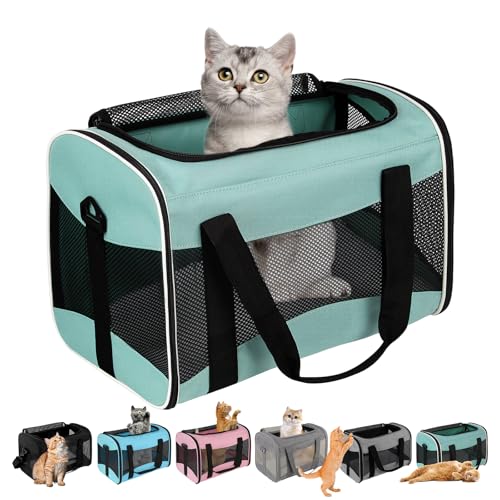
Dimensions sized to meet common airline underseat requirements make this carrier a practical choice for cats that travel by plane regularly. A front zip pocket holds travel documents and a small amount of food. The compact size trades some interior room for guaranteed underseat fit.
Pros
- Sized to meet common airline underseat limits
- Front pocket holds travel documents conveniently
- Lightweight for carrying through airports
Cons
- Compact size limits room for larger cats
- Fewer storage pockets than PetAmi’s design
Side by side
| # | Model | Storage | Best for | Score | Price |
|---|---|---|---|---|---|
| 1 | Sherpa Original Deluxe Pet Carrier | Front zip pocket | Best overall | 9.2 | Check price |
| 2 | PetAmi Premium Cat Carrier | Side pocket and top pocket | Best for multiple storage pockets | 9.0 | Check price |
| 3 | Texsens Innovative Traveler Bubble Cat Carrier | Side zip pocket | Best for visibility plus storage | 8.7 | Check price |
| 4 | Jespet Soft-Sided Pet Carrier | Front pocket | Best budget | 8.3 | Check price |
| 5 | Mancro Cat Carrier Backpack | Side mesh pockets | Best for hands-free organization | 8.1 | Check price |
| 6 | Morpilot Expandable Cat Carrier | Front pocket | Best for expandable storage space | 8.0 | Check price |
| 7 | Arespark Cat Carrier | Front zip pocket | Best for airline-approved organization | 7.9 | Check price |
How to pick the right one
What organization actually adds to a cat carrier A front or side zip pocket holds a vet record, treats, or a small towel without needing a separate bag at every appointment, which matters more than it sounds once hands are full with a carrier and a nervous cat. Ventilation and structural security still come first, since no amount of pocket space matters if the carrier cannot keep a cat calm and contained. Extra pockets add a small amount of weight and bulk, a fair tradeoff for owners who travel with cats regularly. Occasional vet visits may not justify paying extra for storage features that rarely get used.
Single-cat versus multi-cat households One cat’s supplies, a leash, a small towel, and maybe medication, fit comfortably in a single front pocket without needing extra compartments. Multi-cat households juggling separate medications or feeding schedules benefit from carriers with two distinct pockets, keeping items from mixing between cats. Buying a heavily pocketed carrier for a single healthy cat adds bulk without matching benefit. Matching pocket count to actual household needs avoids both under- and over-buying storage.
Visibility and anxiety during transport Some cats calm down when they can see their surroundings through a mesh panel or clear bubble window, while others feel safer fully enclosed in a dim, covered space. A bubble window adds visibility but also rigidity and weight compared to a fully soft-sided mesh carrier. Testing a nervous cat’s reaction to visibility before committing to a bubble-style carrier avoids buying a feature that backfires. Owners of calm, well-adjusted cats may see little practical difference between the two styles.
Travel-specific sizing and hands-free options Airline travel often requires a carrier within specific underseat dimensions, which trades some interior room for guaranteed compliance at the gate. Backpack-style carriers free up both hands for walking trips but shift a cat’s weight distribution in a way that takes some cats longer to adjust to. Checking actual travel needs, air travel compliance versus simple walking trips, before choosing a carrier style prevents buying features that go unused.
Questions worth asking
What should a cat carrier’s storage pocket actually hold?
Most owners use the front or side pocket for a vet record, treats, a small towel, or a leash kept within easy reach.
Do organizer-style cat carriers work for air travel?
Models sized to meet common airline underseat dimensions, like the Arespark carrier, work well for air travel specifically.
Are backpack-style cat carriers safe for most cats?
Yes, though some cats take longer to adjust to the different motion and weight distribution compared to shoulder carriers.
Can a cat carrier with a bubble window overheat?
Acrylic bubble panels can trap heat in direct sun, so keeping the carrier in shade matters more than with mesh-only designs.
How many pockets does a cat carrier actually need?
One well-placed front or side pocket covers most single-cat needs; multi-cat households benefit from two separate pockets.
Do expandable cat carriers lose structural stability?
Quality expandable zippers maintain stability when fully zipped, though checking seams periodically is a reasonable precaution.
Is a soft-sided carrier as secure as a hard-sided one?
Soft-sided carriers with sturdy zippers and structured panels hold up well, though hard-sided carriers resist crushing force better.
Can I fit a small litter pad inside an organizer carrier?
Most main compartments fit a thin absorbent pad, though pocket space itself is usually too small for that purpose.
Do organizer cat carriers fit under an airplane seat?
Only models specifically sized for underseat dimensions, like the Arespark carrier, reliably meet airline requirements.
How often should a cat carrier’s storage pockets be cleaned?
Wiping down pockets after each vet visit or trip prevents buildup of spilled treats or residue from stored items.
The bottom line
The Sherpa Original Deluxe Pet Carrier suits most single-cat households that want real storage without sacrificing the carrier’s core job of keeping a cat calm and secure. Owners managing supplies for multiple cats should choose PetAmi’s Premium Carrier instead for its two separated pockets. Frequent flyers traveling with a cat should pick the Arespark carrier for its airline-compliant sizing.
Olivia Hartley
Olivia spent several years working at an animal shelter and a pet-supply retailer before joining the editorial team. She researches pet gear with an emphasis on safety, comfort and the fine print that owners often miss.