Kid-Friendly Tents for Family Camping Trips
The Coleman Sundome 4 Person tops this list because two young campers can pitch it without adult help. The ALPS Mountaineering Lynx 2 delivers the best value for a real backpacking tent, and the Naturehike Cloud-Up 2 stays lightest for teens carrying their own kit.
Most youth trips are solved by the Coleman Sundome 4 Person, backpacking outings call for the ALPS Mountaineering Lynx 2, and the Naturehike Cloud-Up 2 wins when every ounce in a young hiker’s pack counts. Each one goes up fast enough that a tired eleven year old can manage it before dark.
Buying for young campers differs from buying for adults, since the tent has to survive a bad pitch, a wet pack job and a hurried stuff into its bag. Complicated pole sleeves and heavy fabrics get abandoned halfway through setup. We compared pole and clip design, packed weight against what a young person can realistically carry, waterproof ratings, floor area per camper and what leaders and parents report after seasons of group use.
The top picks, ranked

Coleman Sundome 4-Person Dome Tent
Two continuous poles and colour coded corners let a pair of young campers have this tent standing in around ten minutes without adult help. A welded floor and inverted seams handle ordinary rain without complaint. Room for two campers plus their bags means nobody sleeps on top of their kit. It belongs in a car boot rather than a backpack, since nobody should carry it far.
Pros
- Genuinely simple for young campers to pitch
- Roomy enough for gear to stay inside
- Widely available with cheap spare parts
Cons
- Fibreglass poles can splinter if forced
- Too heavy and bulky for backpacking

ALPS Mountaineering Lynx 2-Person Tent
Aluminium poles and a full coverage fly cost far less here than at specialist outdoor brands. Two doors and two vestibules matter for a growing teenager who may outgrow the tent before wearing it out. Free standing construction lets a beginner pitch the body first and peg it afterward. That order forgives a lot of technique mistakes.
Pros
- Aluminium poles survive rough handling
- Two doors stop campers climbing over each other
- Free standing, so it forgives poor pegging
Cons
- Heavier than premium backpacking tents
- Fly fabric is thicker and slower to dry
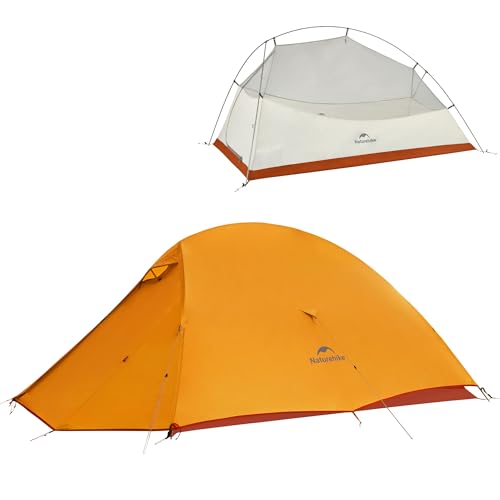
Naturehike Cloud-Up 2 Person Backpacking Tent
Packed weight matters most for a teenager carrying their own tent on a multi day trek, and this one stays comfortably lighter than the others here without dropping into tarp territory. A single pole hub goes up fast once practised, though a first pitch should happen at home rather than in the rain. Thin silicone coated fabric needs a footprint underneath on stony ground.
Pros
- Light enough for a young person to carry all day
- Fast pitch once the hub system is learned
- Packs down very small
Cons
- Thin floor needs a footprint on rough ground
- Tight for two larger teenagers

Kelty Late Start 2 Backpacking Tent
A pre bent hub pole only assembles one way, removing the most common beginner mistake before it happens. Quick corner clips attach the fly instead of fiddly buckles, so setup in fading light stays realistic for a first timer. Extra weight compared to ultralight tents buys real durability for group ownership. A single door means one camper climbs over the other to exit.
Pros
- Pole assembles only one way, hard to get wrong
- Quick corner clips speed up the fly
- Sturdy build for group ownership
Cons
- Single door means climbing over a tent mate
- Heavier than ultralight rivals
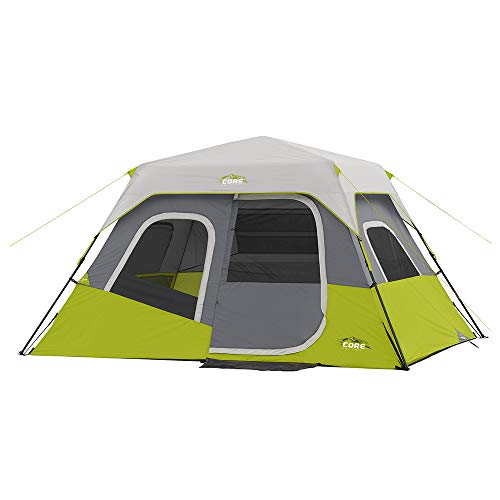
CORE 6 Person Instant Cabin Tent
Pre attached telescoping poles bring this cabin tent upright in about a minute, which is why families with several children keep buying it. Near vertical walls give a teenager enough headroom to stand and change. A room divider splits the interior into two separate spaces. Weight and bulk belong beside a car rather than on a trail.
Pros
- Stands up in roughly a minute
- Standing headroom throughout
- Divider creates two separate spaces
Cons
- Very bulky and heavy packed
- Tall walls catch wind on exposed sites

Wenzel Alpine 3 Person Tent
A simple three pole dome works as a first tent a beginner can figure out without reading instructions. A large fly vestibule keeps muddy boots out of the sleeping area, more useful on a wet weekend than any other feature at this price. Basic fabrics and poles mean treating it as a two or three season tent for organised campsites rather than harsh terrain.
Pros
- Lowest cost way into a real tent
- Vestibule keeps muddy boots outside
- Simple enough to pitch without help
Cons
- Basic fabrics need careful handling
- Not suited to sustained heavy weather
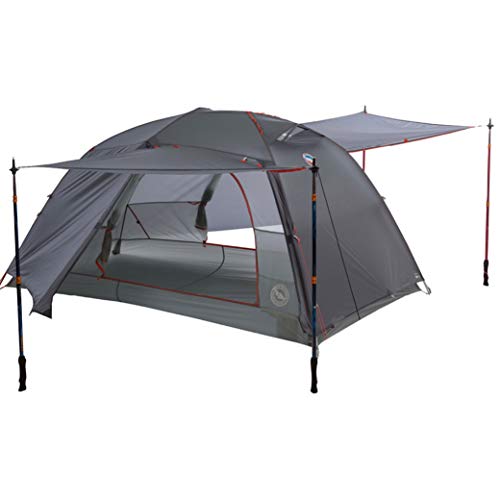
Big Agnes Copper Spur HV UL2
Steep walls create far more usable space than the floor dimensions suggest, and packed weight barely registers in a loaded pack. A serious sixteen year old hiker could keep this tent well into adulthood. Two doors and two vestibules keep two campers civil on longer trips. Cost is the obvious barrier, and the ultralight fabric asks for careful handling that younger campers may not give it.
Pros
- Exceptional space for the weight
- Two doors and vestibules for two campers
- Durable enough to last many seasons with care
Cons
- Most expensive tent in this roundup
- Ultralight fabric needs careful handling
How to choose
Judge a tent by how it pitches, not by its capacity number Manufacturer capacity ratings assume adults sleeping shoulder to shoulder with no gear space. For young campers, the more useful question is whether they can put it up alone in poor light. Colour coded poles, clip attachment instead of sleeves, hub systems that only assemble one way and free standing bodies all cut the chance of a half pitched tent at dusk. One practice run in a garden makes an enormous difference before the actual trip.
Weight only matters once someone is actually carrying it A heavy Coleman or CORE cabin tent is fine for a campsite trip where the tent rides in a car, and that weight buys space and durability. Once a young person carries their own tent, the calculation flips, and every pound counts against a body still growing. A common guideline keeps total pack weight around twenty percent of body weight, which makes a four pound tent very different from an eight pound one.
Pole material decides how a tent survives group use Fibreglass poles are cheap and they splinter when forced, which happens often when several different people pitch the same tent. Aluminium poles bend rather than shatter and can usually be splinted in the field if something does go wrong. Whatever gets bought, check that replacement poles and pegs stay available, since group tents live or die on spare parts more than on original quality.
Plan ahead for wet packing and drying Youth trips almost always end with a tent packed away damp, because the schedule rarely waits for it to dry first. Fabrics that dry quickly help, packing the fly separately from the inner where possible helps more, and a firm rule to air every tent within a day of getting home helps most. Leaders report that mildew, not weather, is what actually kills group tents over time.
The lineup, side by side
| # | Model | Capacity | Best for | Score | Price |
|---|---|---|---|---|---|
| 1 | Coleman Sundome 4-Person Dome Tent | Four person rated, comfortable for two with gear | Best overall | 9.4 | Check price |
| 2 | ALPS Mountaineering Lynx 2-Person Tent | Two person | Best value | 9.2 | Check price |
| 3 | Naturehike Cloud-Up 2 Person Backpacking Tent | Two person | Best lightweight | 9.0 | Check price |
| 4 | Kelty Late Start 2 Backpacking Tent | Two person | Best for first backpacking trips | 8.8 | Check price |
| 5 | CORE 6 Person Instant Cabin Tent | Six person | Best for siblings sharing | 8.6 | Check price |
| 6 | Wenzel Alpine 3 Person Tent | Three person | Best budget | 8.3 | Check price |
| 7 | Big Agnes Copper Spur HV UL2 | Two person | Best for older teens on long treks | 8.0 | Check price |
Frequently asked questions
What size tent should a young camper use?
A two person tent gives room for a sleeping bag and a pack when used solo. Two campers sharing are better served by a three or four person rating than a two person one, since capacity numbers leave no space for gear.
How heavy a tent can a twelve year old carry?
Aim for total pack weight around twenty percent of body weight, which usually means a tent under five pounds for solo carrying. Splitting a tent between two campers, one taking the body and one the fly and poles, is the standard solution on group treks.
Are fibreglass poles a problem for youth tents?
Not for occasional campsite use, where they hold up fine. They matter more in group settings where different people pitch the same tent repeatedly, since forced poles splinter. Aluminium is the safer choice for shared kit that gets handed around.
Do youth tents need a footprint underneath?
Lightweight tents with thin floors, like the Naturehike Cloud-Up, clearly benefit from one on stony ground. Thicker floors on car camping tents cope without, though a cheap groundsheet still extends their working life.
What waterproof rating is enough for a youth tent?
A hydrostatic head around 1500 mm handles typical rain, while 3000 mm and above copes with sustained downpours. Seam sealing and a fly that reaches close to the ground matter as much as the number itself.
Can one tent work for both scouts and family camping?
A four person dome like the Coleman Sundome handles both jobs well. It stays roomy enough for family weekends and simple enough for a scout to pitch alone at camp.
How do you stop condensation inside a youth tent?
Open the vents even in cold weather, keep wet clothing in the vestibule rather than inside the sleeping area, and avoid pitching in a hollow where damp air settles. Condensation gets mistaken for a leaking fly more often than it should.
How long should a tent used by youth groups last?
Several seasons of regular use is normal with aluminium poles, careful drying and stored pegs. Group tents that get packed wet and stuffed away tend to fail within a year or two regardless of original quality.
The bottom line
The Coleman Sundome 4 Person suits most young campers, since it pitches quickly, holds enough gear and costs little to replace parts on. Step up to the ALPS Mountaineering Lynx 2 once they carry their own kit, and to the Naturehike Cloud-Up 2 for longer treks where every pound in the pack counts.
Derek Holt
Derek has a background coaching recreational and amateur athletes and has worked the sales floor at specialty fitness retailers. He focuses on equipment durability, ergonomics and realistic use cases rather than marketing claims.