Seven Camping Stoves That Actually Boil Water Fast
The Coleman Classic Propane 2-Burner Stove leads this list for car camping with steady two-burner output. The Jetboil Flash wins for fast solo boiling, while the MSR PocketRocket 2 stays the top pick for ultralight backpacking.
The Coleman Classic 2-Burner Stove tops this list for car camping, giving two independent burners enough output for a full meal at once. It suits groups cooking at a basecamp, though its weight rules out carrying it on a backpacking trail.
We compared BTU output, fuel type, weight, and boil time across backpacking and car-camping stoves. Owner feedback on wind resistance, simmer control, and cold-weather performance filled gaps the spec sheets leave out. Trip type, solo backpacking versus car camping, changes which stove actually fits.
The top picks, ranked
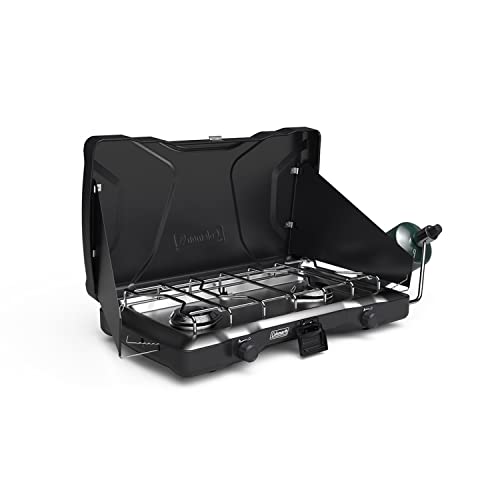
Coleman Classic Propane Stove, 2-Burner
Coleman’s two-burner propane stove covers full camp cooking, from boiling water to simmering sauce on the second burner. Wind baffles shield the flame better than open-burner designs. The 11 pound body suits car camping over backpacking.
Pros
- Two burners let you cook two dishes at once
- Wind baffles keep the flame steady in breezy campsites
- Standard propane canisters are widely available at stores
Cons
- Too heavy and bulky for backpacking
- Burns through small propane canisters faster at high output
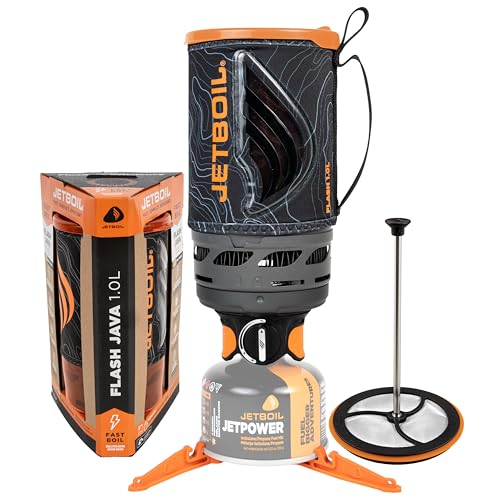
Jetboil Flash Cooking System
Jetboil’s insulated cup and integrated burner boil water faster than open-pot stove setups, which matters most for solo backpackers melting snow or rehydrating meals. A color-change heat indicator shows when water is ready. The narrow pot limits it mostly to boiling rather than real cooking.
Pros
- Boils a liter of water in under two minutes
- Insulated cup keeps drinks hot longer and protects hands
- Compact, all-in-one design packs small for backpacking
Cons
- Narrow pot design limits real cooking beyond boiling water
- Less efficient in windy conditions without a separate shield

MSR PocketRocket 2
MSR’s PocketRocket 2 folds down small enough to fit in a cup, making it a staple for thru-hikers counting ounces. A wide burner head spreads flame more evenly than some ultralight rivals. It sits unstable on uneven ground without a wider pot base.
Pros
- Among the lightest and most compact stoves for backpacking
- Wide burner head improves flame spread for more even cooking
- Simple design has fewer parts to fail in the field
Cons
- Stability suffers on uneven ground without a stable, wide pot
- No integrated wind protection, so a separate shield helps

GSI Outdoors Pinnacle Camp Stove
GSI’s Pinnacle stove tunes its valve for a wider range between a low simmer and a full boil than many ultralight stoves manage. That control matters for backpackers cooking real meals, not just boiling water. The slightly heavier build trades some weight savings for that flame control.
Pros
- Wide flame adjustment range supports simmering, not just boiling
- Folding legs provide more stability than minimalist pocket stoves
- Reliable piezo ignition skips carrying a separate lighter
Cons
- Heavier than the lightest ultralight pocket stoves
- Piezo igniters can wear out before the stove does

Camp Chef Everest 2 Burner Stove
Camp Chef rates each burner on the Everest at 20,000 BTU, enough output to bring a large pot to a hard boil quickly at a basecamp. Independent burner control supports simmering on one side and boiling on the other. That much output burns through fuel faster than lower BTU stoves.
Pros
- High BTU output boils large pots faster than standard camp stoves
- Independent burner valves allow simmer and boil at once
- Sturdy construction holds large pots and pans without tipping
Cons
- High fuel consumption at full output on small canisters
- Weight and size rule out anything but car camping

Primus Lite+ Stove System
Primus adds a pressure regulator that keeps flame output steady as a canister empties and temperatures drop. That makes it more dependable than basic stoves in cold, shoulder-season conditions. The integrated pot system costs more than a basic burner alone.
Pros
- Pressure regulator maintains steady flame in cold weather
- Integrated pot and burner simplify setup at camp
- Insulated cup sleeve helps retain heat after boiling
Cons
- Costs more than a basic standalone burner
- Integrated pot size limits cooking beyond boiling liquids

Eureka Ignite Plus 2-Burner Stove
Eureka keeps the Ignite Plus simple and light for a two-burner stove, trading some BTU output for an easier carry between car and campsite. Folding wind panels help protect the lower-output flame from breezes. Lower BTU output means slower boil times than high-output rivals.
Pros
- Lighter and more compact than most two-burner stoves
- Lower price point than premium high-BTU two-burner models
- Folding wind panels help a lower-output flame stay lit
Cons
- Lower BTU output means slower boiling than high-output stoves
- Less powerful for large groups needing to cook quickly
Compared at a glance
| # | Model | Fuel | Best for | Score | Price |
|---|---|---|---|---|---|
| 1 | Coleman Classic Propane Stove, 2-Burner | Propane canister | Best overall for car camping | 9.2 | Check price |
| 2 | Jetboil Flash Cooking System | Isobutane-propane canister | Best for fast boiling on solo trips | 9.0 | Check price |
| 3 | MSR PocketRocket 2 | Threaded isobutane canister | Best for ultralight backpacking | 8.9 | Check price |
| 4 | GSI Outdoors Pinnacle Camp Stove | Isobutane-propane canister | Best for simmering control while backpacking | 8.8 | Check price |
| 5 | Camp Chef Everest 2 Burner Stove | Propane | Best for high-output car camping | 8.9 | Check price |
| 6 | Primus Lite+ Stove System | Isobutane-propane canister | Best for cold-weather backpacking | 8.7 | Check price |
| 7 | Eureka Ignite Plus 2-Burner Stove | Propane | Best value 2-burner stove | 8.6 | Check price |
How to pick the right one
What determines cooking performance BTU output measures how much heat a stove produces, which affects boil time more than burner count alone. Fuel type, isobutane canister blends versus refillable propane tanks, affects cold-weather performance and availability on the trail. Burner count determines whether you can cook two things at once or only boil water.
Backpacking stoves vs car-camping stoves Backpacking stoves prioritize low weight and small pack size over raw output, often under a pound total. Car-camping stoves add burners, wind panels, and higher BTU output at the cost of several extra pounds. Choosing between them comes down to how far you carry the stove yourself.
Best for solo and ultralight trips Solo backpackers boiling water for coffee or dehydrated meals benefit most from integrated systems like Jetboil that optimize boil speed. Ultralight hikers counting every ounce lean toward minimalist burners like the MSR PocketRocket 2. Neither type supports real simmering the way a basecamp stove does.
Best for groups and basecamp cooking Groups cooking at a campsite benefit from two burners and higher BTU output to feed more people faster. Independent burner valves let one pot simmer while another boils. Weight stops mattering once the stove travels by car instead of on a back.
Questions worth asking
How many BTUs does a camping stove need?
Backpacking stoves typically run under 10,000 BTU per burner, which is enough for boiling water. Car-camping stoves in the 20,000 BTU range per burner cook faster for groups.
What fuel do backpacking stoves use?
Most backpacking stoves run on threaded isobutane-propane canisters. Car-camping stoves more often use larger refillable or disposable propane tanks.
Why won’t my camping stove light in cold weather?
Standard canister stoves lose pressure in cold temperatures, which weakens the flame. Stoves with a pressure regulator, like the Primus Lite+, hold output steadier in the cold.
Can I simmer food on an ultralight backpacking stove?
Many ultralight stoves only offer a narrow range between off and a strong boil. Stoves like the GSI Pinnacle add a wider valve range built for actual simmering.
How long does a propane canister last on a camp stove?
Burn time depends on BTU output and canister size, but a small canister on a high-output two-burner stove can run out within a few hours of steady use.
Is a two-burner stove worth it for solo camping?
A two-burner stove adds weight and bulk most solo campers do not need. A single-burner backpacking stove usually covers solo meals more efficiently.
What is the fastest way to boil water while camping?
Integrated systems like the Jetboil Flash are built specifically to boil water fast, often under two minutes per liter. Open-burner stoves with a separate pot usually take longer.
Do camping stoves need wind protection?
Wind can significantly slow boil times and waste fuel on exposed burners. Built-in wind baffles or a separate wind screen help maintain consistent heat.
Can I use a camping stove inside a tent?
Camping stoves should not be used inside a closed tent due to carbon monoxide risk and fire danger. Cook in a well-ventilated area away from tent walls.
What is the difference between isobutane and propane camping fuel?
Isobutane-propane blend canisters are lighter and common for backpacking stoves. Straight propane tanks are heavier but perform more consistently in cold weather for car-camping stoves.
Our take
The Coleman Classic 2-Burner Stove is the strongest pick for car camping, giving groups two reliable burners without a steep price. Solo backpackers who just need hot water fast should choose the Jetboil Flash instead, since its integrated design boils far quicker than a basecamp stove built for feeding a group.
Sierra Daniels
Sierra's background is in landscape design and nursery retail. She focuses on lawn and garden equipment, outdoor furniture and gear durability, weighing published specs against how materials actually hold up outside.