How to Pick a Kite That Won’t Frustrate a New Flier
Prism Zephyr Sport Kite suits fliers ready for dual-line steering. Younger children do better with the single-line X Kites Prism Diamond. Calm-wind days favor the Premier Kites Gomberg Dragon Fly, which lifts off in breezes as light as 4 mph.
Three kites fit different starting points. The Prism Zephyr rewards active steering, the X Kites Prism Diamond keeps things simple for young kids, and the Premier Kites Gomberg Dragon Fly launches in the lightest breeze. Age, typical wind speed and how much control a child wants each point toward a different design.
Kite shape rarely predicts ease of flight, since line count and minimum wind speed matter more than silhouette. We compared single-line against dual-line control, checked assembly steps, and looked at owner feedback on durability and how forgiving each design is when a flight goes wrong.
The shortlist, ranked

Prism Zephyr Sport Kite
Two lines give this kite real steering, so figure eights and dives become possible once basic control clicks. Ripstop nylon and a fiberglass frame shrug off crash landings on grass or sand. Wind range runs from 5 to 20 mph, covering most park and beach days.
Pros
- Dual-line control teaches genuine flying skill
- Fiberglass frame withstands repeated beginner crashes
- 5 to 20 mph range fits most outdoor conditions
Cons
- Takes longer to master than single-line kites
- Not the best first kite for children under six

X Kites Prism Diamond Kite
A single line keeps this diamond kite simple enough for kids under eight to manage alone. Bright ripstop polyester stays easy to spot once the kite climbs. It ships pre-assembled, so a first flight can start within minutes of opening the box.
Pros
- Single-line control suits younger children
- Bright fabric stays visible high overhead
- Arrives pre-assembled with no setup
Cons
- Offers little active steering as skills grow
- Needs fairly steady wind to stay up

Premier Kites Gomberg Dragon Fly Kite
A wide sail catches lift in wind as light as 4 mph, useful on calmer beach mornings. Its dragonfly shape gives younger kids something colorful to track across the sky. Fiberglass spars keep the frame light while still handling occasional gusts.
Pros
- Flies in lighter wind than most beginner kites
- Dragonfly shape holds a child’s attention
- Lightweight spars handle gusty moments well
Cons
- Larger sail needs more open launch space
- Single line limits hands-on steering practice

HQ Kites Eddy Beginner Kite
This traditional Eddy diamond keeps cost down without switching to flimsy fabric. A two-point bridle lets a parent adjust the line angle without prior kite experience. Folded size fits easily into a car trunk or beach bag.
Pros
- Costs less than most premium beginner kites
- Two-point bridle is simple for first-time parents
- Compact folded shape travels well
Cons
- Included tail may need an upgrade over time
- Stitching feels less refined than pricier kites

Into The Wind Freakin Huge Delta Kite
A delta wing holds a steady angle even as wind direction shifts, cutting down on constant line correction. Its large size climbs fast once airborne, which keeps a young flier motivated. Setup means stretching the sail across one spine before launch.
Pros
- Delta shape stays steady through shifting wind
- Quick climb gives beginners fast success
- Handles a wide 5 to 20 mph wind range
Cons
- Bigger size makes transport less convenient
- Assembly takes longer than pre-built kites
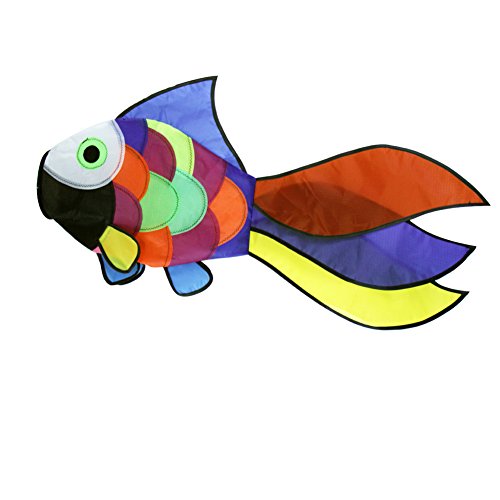
Gomberg Kite Productions Sky Dancer Windsock
This windsock needs zero steering, so a toddler can simply watch it move overhead. A single string attaches directly, skipping any bridle adjustment. Wind fills the open tube shape quickly, so it launches with barely a few steps of running.
Pros
- No steering required, works for the youngest kids
- Launches with minimal running needed
- Skips bridle adjustment entirely
Cons
- Builds no active flying skill over time
- Less durable than framed kite designs

WindNSun Nylon Sled Kite
No frame means this sled kite folds flat into a bag smaller than any spar-based design here. Wind shapes the sail itself, so there is nothing rigid to snap during a rough landing. Steady wind suits it better than gusty, shifting conditions.
Pros
- Frameless build packs into a small bag
- No fiberglass rods to break in transit
- Single-line control stays beginner friendly
Cons
- Needs steadier wind than framed alternatives
- Looks less dynamic in flight than shaped kites
How to pick the right one
Single-line vs dual-line: which control type should a beginner start with? Single-line kites fly with almost no input, which suits first flights and younger fliers. Dual-line kites add real steering, opening up figure eights and dives once basic control feels natural. Most households get more success starting single-line before moving to a sport kite. Jumping straight to dual-line often stalls progress rather than speeding it up.
How much wind does a beginner kite actually need? Local wind speed on a typical flying day should guide the minimum wind rating you pick. Large-sail kites such as the Gomberg Dragon Fly lift off in breezes as light as 4 mph. Smaller or frameless designs need closer to 8 mph before they hold steady. Picking a kite rated for the wrong range causes most of the frustration blamed on skill.
What age is right for each kite design? Toddlers do best with a windsock that needs no steering at all. Kids from about five to eight manage simple diamond or delta single-line kites without much coaching. Older kids and adults ready to steer actively benefit from a dual-line sport kite like the Prism Zephyr. Attention span matters more here than the age printed on the packaging.
Do beginner kites need assembly, and how durable are they? Pre-assembled and frameless kites save setup time, which matters for an impatient young flier. Fiberglass spars bend instead of snapping, unlike the wooden dowels used in older kite designs. Ripstop nylon and polyester both resist tearing, though nylon tends to handle repeated folding a bit better. Anyone packing a kite for car trips should check how small it folds first.
Side by side
| # | Model | Line type | Best for | Score | Price |
|---|---|---|---|---|---|
| 1 | Prism Zephyr Sport Kite | Dual-line, steerable | Best overall | 9.2 | Check price |
| 2 | X Kites Prism Diamond Kite | Single-line | Best for young kids | 8.9 | Check price |
| 3 | Premier Kites Gomberg Dragon Fly Kite | Single-line | Best for light wind | 8.7 | Check price |
| 4 | HQ Kites Eddy Beginner Kite | Single-line | Best value | 8.5 | Check price |
| 5 | Into The Wind Freakin Huge Delta Kite | Single-line | Best for consistent flight | 8.3 | Check price |
| 6 | Gomberg Kite Productions Sky Dancer Windsock | Single-line, no bridle | Best for toddlers | 8.1 | Check price |
| 7 | WindNSun Nylon Sled Kite | Single-line, frameless | Best for easy storage | 8.0 | Check price |
Good to know
What is the easiest kite for a total beginner?
Single-line diamond or delta kites, such as the X Kites Prism Diamond, need the least input and forgive early mistakes best.
How much wind is needed to fly a beginner kite?
Most models here fly between 5 and 20 mph. The Premier Kites Gomberg Dragon Fly manages breezes as light as 4 mph.
What age should a child be for their first kite?
Toddlers do fine with a windsock that needs no steering. Kids around five and up can usually handle a single-line diamond or delta shape.
Single-line vs dual-line kites, what actually changes?
Single-line kites stay simple with minimal input. Dual-line kites let a flier steer into figure eights and dives once basic flight feels comfortable.
Do beginner kites come pre-assembled?
Some, like the X Kites Prism Diamond, arrive ready to fly. Others need fiberglass spars slid into fabric sleeves, which takes only a few minutes.
Can a beginner kite handle gusty beach wind?
Kites rated to 20 mph, including the Prism Zephyr and the Into The Wind Freakin Huge Delta, hold up in typical beach gusts.
What is the best kite material for kids?
Ripstop nylon and polyester both resist tearing during hard landings. Fiberglass frames flex instead of snapping, unlike older wooden dowel designs.
Is a sport kite too advanced for a first flight?
Dual-line sport kites like the Prism Zephyr take more practice than single-line kites, though most older kids and adults get comfortable within a few sessions.
What is the best beginner kite for very young kids?
A windsock design, such as the Gomberg Kite Productions Sky Dancer, needs no steering and launches with barely any running.
The verdict
Fliers ready to learn active steering get the most from the Prism Zephyr, which balances control with a forgiving crash tolerance. Younger children usually do better starting with the single-line X Kites Prism Diamond. On calm days, the Premier Kites Gomberg Dragon Fly stays airborne when smaller kites just sit on the sand.
Rachel Simmons
Rachel previously worked in child-product retail and brings a practical, detail-first eye to gear reviews, focusing on safety standards, ease of use and the fine print that matters most for new caregivers.