Nylon vs Fireline: Choosing the Right Beading Thread
Fireline 6lb Fused Beading Thread suits fine seed bead weaving and resists fraying against sharp edges. KO Beading Thread is thin enough for tight peyote and loomwork. Gudebrod Silk Beading Cord ties tighter knots for pearl and gemstone strands.
Thread choice decides whether beadwork lasts for years or unravels within weeks.
Seed bead weaving, pearl knotting, and gemstone stringing stress thread differently, so this comparison groups options by technique and checks owner feedback on fraying and knot strength.
What we recommend

Fireline 6lb Fused Beading Thread
Fused gel-spun fibers give this thread more fray resistance than twisted nylon against sharp bead edges. Tight peyote and herringbone stitches hold their tension without loosening. A smoke tone blends into most bead palettes without special dyeing.
Pros
- Resists fraying against sharp bead holes
- Holds tension through tight stitch patterns
- Threads a needle without wax
Cons
- Stiffer than nylon, so knotting takes practice
- Limited to a few color choices

KO Beading Thread 100% Nylon
Pre-waxed nylon slides through size 15 seed beads without splitting the hole. Multiple thread passes stay smooth instead of bunching inside tight weaves. Off-loom patterns benefit from its thin, consistent diameter.
Pros
- Thin profile allows multiple passes through small beads
- Wax coating cuts down on fraying
- Wide color range matches most bead palettes
Cons
- Breaking strength trails fused thread options
- Can stretch slightly with heavy use

Gudebrod Silk Beading Cord Size FF
A twisted wire needle comes pre-attached, so knotting between pearls starts right out of the package. Silk drapes softer against skin than stiffer nylon cords. Knots tied in silk pull tight and resist slipping over time.
Pros
- Attached needle skips a separate setup step
- Soft drape suits pearl and gemstone strands
- Knots stay tight without slipping
Cons
- Wears faster than synthetic thread over years
- Costs more per length than nylon

S-Lon Micro Cord Nylon Bead Cord
Glass and stone beads add real weight, and this micro cord resists stretching under that load. Its diameter sits between standard beading thread and macrame cord for added body. Bulk spools bring the cost per project down.
Pros
- Resists stretch under heavier glass or stone beads
- Bulk spool length lowers cost per project
- Works for both stringing and knotting
Cons
- Too thick for size 15 seed beads
- Fewer specialty colors than dedicated thread lines
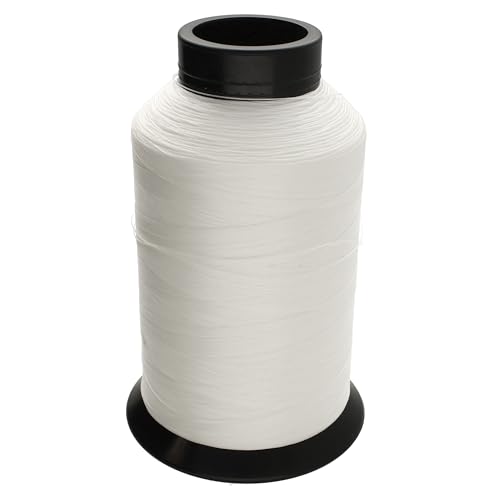
Nymo Nylon Beading Thread Size D
Extra body in this thicker nylon suits bead embroidery and general stringing projects. No wax coating comes standard, so many crafters run it through beeswax before stitching. Bobbins ship in a wide range of colors for matching.
Pros
- Thicker body suits bead embroidery well
- Affordable across a large color range
- Handles general stringing projects reliably
Cons
- Needs waxing to cut down on fraying
- Too thick for fine seed bead weaving

C-Lon Beading Cord Fine Weight
Consistent diameter matters in kumihimo braiding, and this bonded nylon cord holds its shape through repeated passes. Dye saturates deeper than in some competing cords. A bonded finish keeps cut ends from fraying.
Pros
- Bonded finish prevents fraying at cut ends
- Deep color saturation across a wide range
- Consistent diameter suits braiding work
Cons
- Not built for fine seed bead weaving
- Stiffer feel than pure silk cord

WildFire Beading Thread .006
A waterproof treatment lets this fused thread handle jewelry worn while swimming or sweating through a workout. Its .006 diameter fits small seed bead holes without adding bulk. Cut ends stay clean instead of fraying.
Pros
- Waterproof treatment suits active or humid wear
- Thin diameter fits small bead holes
- Cut ends resist fraying
Cons
- Fewer color options than standard nylon lines
- Firmer hand feel than untreated nylon
How to choose
What to look for in beading thread Bead hole size, project technique, and wear all shape which thread performs best. Diameter, material, and breaking strength interact, so a thread built for pearl knotting will not behave the same in seed bead weaving. Start with the technique, then narrow by strength and color.
Best thread for seed bead weaving and peyote stitch Fine threads such as KO or Fireline pass through size 11 and 15 seed beads multiple times without splitting the hole. Fused thread resists fraying better than nylon when bead edges run sharp. Tight stitches like peyote and herringbone need a thread that holds tension.
Best thread for stringing pearls and gemstones Silk cord remains the traditional pick for knotting between pearls, since it drapes softly and holds a tight knot. Rougher gemstone holes call for thicker nylon or micro cord instead. Weight and hole size decide which route works better.
Thread for bead embroidery and heavier beadwork Thicker nylon threads like Nymo Size D give embroidery stitches more body against fabric backing. Projects mixing embroidery with fringe or edging may need two thread weights on one piece. Kumihimo and macrame beadwork favor a bonded cord that holds its shape.
The lineup, side by side
| # | Model | Material | Best for | Score | Price |
|---|---|---|---|---|---|
| 1 | Fireline 6lb Fused Beading Thread | Fused gel-spun polyethylene | Best overall | 9.4 | Check price |
| 2 | KO Beading Thread 100% Nylon | Pre-waxed nylon | Best for fine seed bead weaving | 9.2 | Check price |
| 3 | Gudebrod Silk Beading Cord Size FF | 100% silk | Best for pearl and gemstone knotting | 9.0 | Check price |
| 4 | S-Lon Micro Cord Nylon Bead Cord | Nylon micro cord | Best for stringing heavier beads | 8.8 | Check price |
| 5 | Nymo Nylon Beading Thread Size D | Nylon, unwaxed | Best value | 8.6 | Check price |
| 6 | C-Lon Beading Cord Fine Weight | Bonded nylon | Best for kumihimo and macrame beadwork | 8.3 | Check price |
| 7 | WildFire Beading Thread .006 | Waterproof fused thread | Best for waterproof durability | 8.0 | Check price |
Common questions
What is the strongest thread for beading?
Fused threads such as Fireline test stronger per diameter than twisted nylon, which helps pieces under regular tension.
Is nylon or silk better for beading thread?
Nylon resists moisture and stretch better, while silk drapes softer and suits knotted pearl strands specifically.
What thread size works for size 11 seed beads?
A fine diameter like size B nylon or .006 fused thread usually passes through size 11 beads without extra bulk.
Do I need to wax beading thread before use?
Unwaxed nylon threads such as Nymo benefit from beeswax to cut fraying, while pre-waxed or fused threads skip that step.
Can I use regular sewing thread for beading?
Standard sewing thread lacks the strength and fray resistance needed for repeated passes through seed bead holes.
What is the difference between Fireline and nylon beading thread?
Fireline is fused gel-spun material that resists fraying against sharp edges, while nylon feels softer and knots more easily by hand.
How long does beading thread last in a piece worn daily?
Durability varies by material, but fused threads tend to outlast standard nylon in daily-wear jewelry based on owner reports.
Which thread works best for kumihimo braiding?
Bonded nylon cords like C-Lon hold a consistent diameter and color saturation, which suits the tight structure of kumihimo braiding.
Is waterproof beading thread worth it for everyday jewelry?
It helps for pieces worn while swimming or exercising, since the coating resists the fraying that sweat and water speed up.
The verdict
No single thread covers every beading technique well. Match diameter and material to bead hole size and project type, then pick fused thread for weaving durability or silk for knotted pearl strands.
Jake Monroe
Jake worked as a residential contractor for over a decade before shifting to full-time writing. He evaluates power tools, hand tools and workshop gear through the lens of someone who has actually used them on job sites, not just read the box.


