Baseball Gloves Broken In Fast, Built to Last a Season
The Wilson A2000 1787 is the best overall baseball glove, with a versatile infield pattern that holds up across a full season of daily use. The Rawlings Heart of the Hide PRO205-6 suits quick infield transfers, and the Easton Professional Collection covers developing players on a budget.
The Wilson A2000 1787 is the best overall baseball glove, because its pro stock leather and versatile infield pattern hold shape across a full season without breaking down early. It takes longer to fully break in than lighter, softer leather gloves, so players wanting a faster-ready glove for the season get more convenience from the Rawlings Gamer XLE instead.
We compared leather type and durability, pocket depth, web pattern, and typical break-in time using manufacturer specifications and owner feedback from retail listings.
Before you buy
What to Look for in Glove Size and Web Type Infield gloves typically run smaller, around 11.5 to 11.75 inches, with a shallower pocket for quick transfers, as seen on the Rawlings Heart of the Hide PRO205-6. Outfield gloves run larger, like the 12.75 inch Mizuno Pro Select, with a deeper pocket to secure fly balls at extension.
Infield Gloves Versus Outfield Gloves Infielders need a shallow pocket and fast transfer shape to turn double plays quickly, which the Rawlings Heart of the Hide and Wilson A2000 1787 both provide. Outfielders benefit more from a longer pattern and deeper pocket, found on the Mizuno Pro Select, for tracking and securing fly balls.
Break-In Speed Versus Long-Term Leather Durability Lighter shell leather, like the Rawlings Gamer XLE, breaks in faster but tends to wear out sooner than premium pro stock or Heart of the Hide leather. Players willing to spend more break-in time upfront get more season-to-season durability from gloves like the Wilson A2K 1786.
Premium Pro-Level Gloves Versus Developing Player Gloves Advanced and competitive players often justify the cost of premium leather gloves like the Wilson A2000 1787 or Nokona Alpha Select for their durability and consistent feel. Developing players still refining position and technique can get adequate performance from a more affordable option like the Easton Professional Collection.
Our top picks

Wilson A2000 1787
Pro stock leather resists breaking down over a long season better than softer, faster break-in leathers. The 1787 pattern suits infield positions with its moderate pocket depth and quick-transfer shape.
Pros
- Durable leather holds shape across a full season
- Quick-transfer pocket suits infield defense
- Reliable choice for players at most skill levels
Cons
- Longer break-in period than softer leather gloves
- Costs more than entry-level synthetic options

Rawlings Heart of the Hide PRO205-6
A shallow pocket speeds up ball transfer for infielders who need to get the ball out of the glove quickly on double plays. Heart of the Hide leather is known for durability over repeated seasons of use.
Pros
- Shallow pocket speeds up ball transfer for infield plays
- Heart of the Hide leather lasts multiple seasons
- Trusted pattern among competitive infielders
Cons
- Shallower pocket is less forgiving on tough catches
- Needs a proper break-in before game-ready feel
Wilson A2K 1786
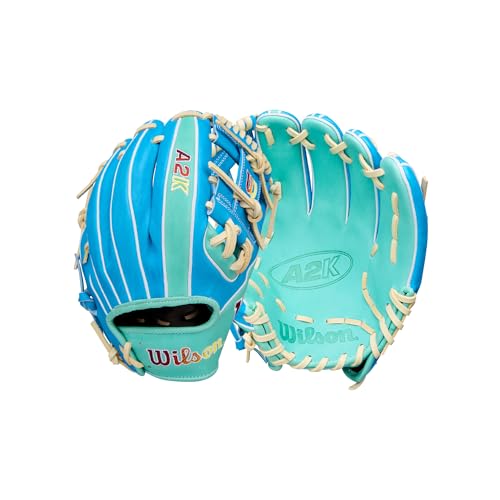
Pro Stock Select leather ranks among the more durable hides used in Wilson’s lineup, built to hold its shape through heavy daily use. The pattern suits infielders wanting a slightly deeper pocket than the A2000 1787.
Pros
- Premium leather resists wear over repeated seasons
- Slightly deeper pocket adds catching forgiveness
- Holds shape well even with heavy daily use
Cons
- Premium price compared to standard leather gloves
- Long break-in period before game-ready feel

Mizuno Pro Select
A deeper pocket and longer pattern suit outfielders tracking fly balls over a longer reach than infield gloves allow. Oil-treated leather softens for a more game-ready feel sooner than raw, untreated hides.
Pros
- Deep pocket secures fly balls at full extension
- Longer pattern extends effective catching reach
- Oil treatment speeds up break-in comfort
Cons
- Too large and deep for infield quick-transfer needs
- Heavier than compact infield-sized gloves

Rawlings Gamer XLE
A lighter shell leather softens faster than Heart of the Hide or pro stock hides, getting the glove game-ready sooner in the season. The tradeoff is somewhat less long-term durability over many seasons.
Pros
- Lighter leather breaks in faster than premium hides
- Comfortable fit reduces hand fatigue during games
- Reasonable price for Rawlings build quality
Cons
- Less durable over many seasons than premium leather
- Softer leather shows wear sooner with heavy use
Nokona Alpha Select
Kip leather construction, made domestically, balances durability with a moderate break-in period shorter than full-grain steer leather gloves. The pattern works across multiple infield positions.
Pros
- Kip leather offers a shorter break-in than steer hide
- Domestic manufacturing appeals to buyers wanting that detail
- Versatile pattern works across infield positions
Cons
- Less widely available than major national brands
- Durability trails top-tier premium steer leather
Easton Professional Collection
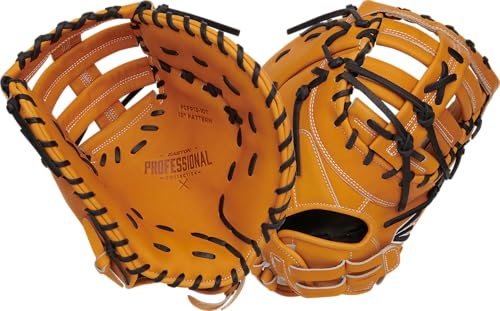
Tournament-grade leather covers developing and recreational players at a noticeably lower price than premium pro-level gloves. It breaks in reasonably well without matching premium leather longevity.
Pros
- Lowest cost option in this comparison
- Breaks in reasonably fast for a budget glove
- Suitable pattern for developing infielders
Cons
- Leather durability trails premium pro-level gloves
- Less shape retention after a full season of heavy use
The lineup, side by side
| # | Model | Size | Best for | Score | Price |
|---|---|---|---|---|---|
| 1 | Wilson A2000 1787 | 11.75 inches | Best Overall | 9.3 | Check price |
| 2 | Rawlings Heart of the Hide PRO205-6 | 11.75 inches | Best for Infield Quick Transfer | 9.0 | Check price |
| 3 | Wilson A2K 1786 | 11.5 inches | Best for Premium Leather Durability | 8.8 | Check price |
| 4 | Mizuno Pro Select | 12.75 inches | Best for Outfield Range | 8.6 | Check price |
| 5 | Rawlings Gamer XLE | 11.75 inches | Best for Faster Break-In | 8.4 | Check price |
| 6 | Nokona Alpha Select | 11.5 inches | Best for American-Made Craftsmanship | 8.2 | Check price |
| 7 | Easton Professional Collection | 11.75 inches | Best Budget Pick | 7.9 | Check price |
Good to know
What glove size is best for infield positions?
Infield gloves typically range from 11.5 to 11.75 inches, as seen on the Wilson A2000 1787 and Rawlings Heart of the Hide PRO205-6, favoring quick ball transfer over extended reach.
What glove size works best for outfielders?
Outfield gloves generally run larger, often 12.5 to 12.75 inches like the Mizuno Pro Select, giving extra reach and a deeper pocket for catching fly balls.
How long does it take to break in a new baseball glove?
Break-in time varies by leather type; lighter shell leather like the Rawlings Gamer XLE breaks in within a few weeks of use, while premium pro stock leather like the Wilson A2000 can take longer.
What is the difference between an H-web and I-web glove?
An H-web, found on the Wilson A2000 1787, offers a slightly more open pocket, while an I-web, like the Rawlings Heart of the Hide PRO205-6, tends to favor a shallower, quicker-transfer pocket.
Does leather quality really affect how long a glove lasts?
Yes, premium leathers like Heart of the Hide or Pro Stock Select, used in the Rawlings and Wilson A2K gloves, generally outlast lighter shell leather or tournament-grade leather over multiple seasons.
Can one glove be used for multiple infield positions?
Many infield patterns, including the Wilson A2000 1787 and Nokona Alpha Select, work across several infield positions without needing a position-specific glove for each spot.
How should a new baseball glove be broken in?
Common methods include playing catch regularly, using a mallet to soften the pocket, and storing the glove with a ball inside to help it hold its shape.
Is a more expensive baseball glove worth it for casual players?
Casual or developing players can often get by with a more affordable glove like the Easton Professional Collection, while competitive players benefit more from the durability of premium leather gloves.
Our pick
The Wilson A2000 1787 is the strongest overall pick for its durable leather and versatile infield pattern across a full season. Infielders prioritizing the fastest possible ball transfer should choose the Rawlings Heart of the Hide PRO205-6 instead. Developing players on a budget can still get reliable performance from the Easton Professional Collection.
Derek Holt
Derek has a background coaching recreational and amateur athletes and has worked the sales floor at specialty fitness retailers. He focuses on equipment durability, ergonomics and realistic use cases rather than marketing claims.