Merino Vs Synthetic Base Layers: How to Choose for Your Trip
Smartwool Merino 150 balances warmth, odor control and breathability for most outdoor trips. Under Armour ColdGear Armour dries fast for skiers and runners pushing hard in cold weather. Patagonia Capilene Midweight suits backcountry trips where quick drying beats merino’s odor resistance.
Smartwool Merino 150 tops this list for hikers and skiers who want warmth without daily washing, since merino resists odor for days. It costs more than synthetic rivals and takes longer to dry once soaked. Under Armour ColdGear Armour fits high output cold weather athletes who need synthetic fabric that dries overnight, while Patagonia Capilene Midweight suits multi day backcountry trips where drying speed outweighs odor control.
Merino and synthetic fabrics trade odor resistance for drying speed, so no single fiber wins every trip. Weight class, seam construction and washing instructions shift that balance further. We compared stated fabric blends, weight in grams per square meter, wicking claims and owner reports of durability after repeated washing to rank these seven.
How to choose
What to look for in a base layer Fabric type drives most of the tradeoffs here. Merino wool resists odor and regulates temperature across a wide range, while synthetic fabric dries faster and costs less. Weight class, usually listed in grams per square meter for merino, sets how much warmth the layer adds under a shell. Flatlock seams reduce chafing where a pack strap or harness presses against the body.
Merino wool vs synthetic for multi day trips Laundry access decides this more than personal preference. Merino stays odor free for several days without washing, a real advantage on a backpacking trip. Synthetic fabric dries overnight even in humid air, while wet merino can need a full extra day. Trips with stream access or frequent laundry favor synthetic, while trips without either favor merino.
Which weight class fits your climate Lightweight base layers, often around 150 grams for merino, suit high output activity or mild cold where overheating is the bigger risk. Midweight options add warmth for standing around camp or lower intensity cold weather work. Stacking a lightweight base under a midweight jacket often beats one heavier all in one layer.
Fit and durability across blends A snug fit, not a tight one, wicks moisture better by keeping fabric close to skin without restricting movement. Nylon or spandex blended into merino adds durability against pack straps and repeated washing, at a small cost to pure wool’s softness. Workwear branded base layers trade that refinement for extra abrasion resistance against tool belts and rough gear.
The shortlist, ranked

Smartwool Merino 150 Base Layer Top
Smartwool’s 150 gram merino knit balances warmth and breathability from hiking to skiing under a shell. Odor stays low across multiple days of wear thanks to the wool fiber itself. Flatlock seams cut chafing under a pack strap, though the fabric costs more than polyester rivals.
Pros
- Resists odor across multiple days of wear
- Regulates temperature from mild to cold conditions
- Flatlock seams cut chafing under a pack strap
Cons
- Costs more than synthetic base layers
- Takes longer to dry than polyester once soaked

Under Armour ColdGear Armour Base Layer
A brushed polyester interior traps heat while pulling sweat away during high output cold weather sport. Skiers and winter runners get faster drying than any merino option in this lineup. Odor builds up sooner than wool without a wash between multi day outings.
Pros
- Dries fast after heavy sweating
- Compression fit layers cleanly under a shell
- Costs less than merino equivalents
Cons
- Picks up odor faster than wool
- Feels less breathable in mild temperatures

Icebreaker Oasis Merino Base Layer
Icebreaker steps up to a 200 gram merino knit, heavier than Smartwool’s 150 weight, for added warmth in cooler climates. A small percentage of nylon blends in for extra durability against pack straps and repeated washing. High aerobic effort runs too warm in this weight, so it suits lower intensity cold weather use.
Pros
- Adds warmth over 150 weight merino for cold climates
- Nylon blend adds durability over pure merino
- Resists odor across multiple days of wear
Cons
- Runs too warm for high output aerobic activity
- Feels heavier than lightweight merino options

Patagonia Capilene Midweight Base Layer
Recycled polyester wicks moisture and dries overnight even in humid backcountry air, unlike merino on a multi day trip. A gridded fleece interior holds warmth through cold camp mornings without adding bulk. Odor resistance trails merino, so this fits trips with stream access or regular laundry.
Pros
- Dries overnight even in humid conditions
- Gridded interior traps warmth without added bulk
- Made from recycled fabric
Cons
- Builds up odor faster than merino
- Feels less soft against skin than merino wool
REI Co-op Lightweight Base Layer Top
REI’s polyester blend covers mild to cool weather layering at a lower price than merino or premium synthetic brands. Wicking performance handles day hikes fine but falls short of Patagonia’s gridded fleece under heavy sweat. Sizing runs true across the full range offered.
Pros
- Costs less than premium synthetic brands
- Wicks enough moisture for day hikes
- Runs true to size across the range
Cons
- Wicking lags behind premium synthetic fabric
- Builds up odor faster than merino

32 Degrees Heat Thermal Base Layer Set
This top and bottom set undercuts every other price point here, fitting occasional cold weather use over daily outdoor performance. Lightweight synthetic fabric wicks basic sweat but wears out sooner than pricier brands after repeated washing. First time buyers get a full layering kit without the higher merino cost.
Pros
- Costs less than every other option here
- Includes a matching top and bottom set
- Layers thin enough under regular clothes
Cons
- Wears out faster after repeated washing
- Adds less warmth than midweight options
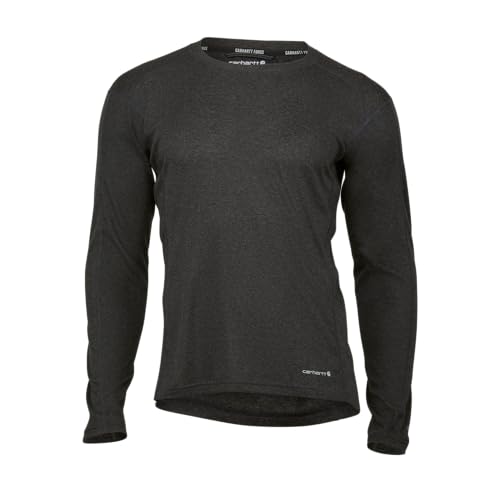
Carhartt Force Midweight Base Layer
Carhartt built this for job sites, not backcountry travel, so it shrugs off abrasion from tool belts and gear better than hiking brands. Moisture wicking keeps outdoor workers dry through cold shifts on site. Bulk under a shell exceeds trimmer hiking focused base layers.
Pros
- Withstands abrasion from tool belts and gear
- Wicks sweat through long outdoor work shifts
- Layers over other workwear in a relaxed cut
Cons
- Fits bulkier than trim hiking base layers
- Feels less refined than merino options
How they compare
| # | Model | Fabric | Best for | Score | Price |
|---|---|---|---|---|---|
| 1 | Smartwool Merino 150 Base Layer Top | 100% merino wool | Best overall | 9.3 | Check price |
| 2 | Under Armour ColdGear Armour Base Layer | Polyester and elastane blend | Best for cold weather sports | 9.0 | Check price |
| 3 | Icebreaker Oasis Merino Base Layer | Merino wool with nylon blend | Best merino for cold climates | 8.8 | Check price |
| 4 | Patagonia Capilene Midweight Base Layer | Recycled polyester, gridded interior | Best for backcountry trips | 8.6 | Check price |
| 5 | REI Co-op Lightweight Base Layer Top | Polyester blend | Best value synthetic | 8.3 | Check price |
| 6 | 32 Degrees Heat Thermal Base Layer Set | Polyester and spandex blend | Best budget | 8.1 | Check price |
| 7 | Carhartt Force Midweight Base Layer | Polyester with FastDry wicking | Best for work and durability | 8.0 | Check price |
Frequently asked questions
What is the best fabric for a base layer?
Merino wool suits multi day trips that need odor resistance, while polyester suits high output activity that needs fast drying. Trip length and laundry access decide the right choice more than any single spec.
How often should merino wool base layers be washed?
Merino can go several days between washes without smelling, unlike synthetic fabric that needs washing sooner. Washing less often also extends the wool fiber’s working life.
Are base layers supposed to fit tight?
Yes, a snug fit keeps fabric against skin so it wicks sweat effectively. It should never restrict movement or circulation, since a loose layer traps sweat instead of moving it away.
What weight base layer works best for skiing?
Midweight fabric like Under Armour’s ColdGear Armour balances warmth on the lift with breathability on the run down. Lightweight layers alone often leave skiers cold at the top of a lift line.
Can a base layer be worn alone without a jacket?
Lightweight base layers work as standalone tops in mild weather or high output activity. Midweight and heavier options need a shell over them for real cold protection.
Merino vs polyester base layers, which dries faster?
Polyester dries significantly faster than merino wool once soaked with sweat or rain. That speed matters most on backcountry trips without a chance to dry gear fully overnight.
Do base layers help in warm weather too?
Lightweight wicking base layers manage sweat in warm weather activity as well as cold. Thick midweight layers, by contrast, are built for cold conditions specifically.
How long do merino wool base layers last?
Proper care, including air drying and gentle washing, can stretch a merino base layer across several years of regular use. Blends with nylon tend to outlast pure merino against pack strap abrasion.
What is the difference between pure merino and merino nylon blends?
Pure merino feels softer against skin but wears faster under a pack strap or harness. A nylon blend, like Icebreaker’s Oasis, trades a little softness for meaningfully longer durability.
Our take
Smartwool Merino 150 remains the pick for most outdoor use, balancing warmth, breathability and odor resistance across the widest range of conditions. Skiers and winter runners pushing hard should choose Under Armour ColdGear Armour instead, since its synthetic fabric dries faster after heavy sweat. Backcountry travelers on multi day trips without laundry access should weigh Patagonia Capilene Midweight against merino’s odor advantage before deciding.
Sierra Daniels
Sierra's background is in landscape design and nursery retail. She focuses on lawn and garden equipment, outdoor furniture and gear durability, weighing published specs against how materials actually hold up outside.
You might also need

How to Pick the Right Fire Extinguisher for Every Room
4 Person Tents: How Many Campers Really Fit

How Often Should You Sharpen Pruning Shears?