Base Layers That Actually Hold Warmth Without Overheating
The Smartwool Classic Thermal Merino is the best overall base layer, balancing warmth and breathability for most cold-weather activity. The Icebreaker Merino 200 Oasis suits multi-day trips needing odor resistance, and the 32 Degrees Heat covers casual cold days on a budget.
The Smartwool Classic Thermal Merino is the best overall base layer, because its midweight merino knit traps warmth while still wicking sweat during active days on the trail or slope. It costs more than synthetic alternatives and needs gentler washing, so anyone prioritizing low-maintenance durability over natural fiber comfort may prefer a synthetic option like the Patagonia Capilene instead.
We compared fabric type and weight, moisture-wicking performance, odor resistance over multiple wears, and fit under outer layers using manufacturer specifications and owner feedback from retail listings.
What to look for
What to Look for in Fabric and Weight Class Base layers fall into lightweight, midweight and heavyweight classes. Lightweight pieces like the REI Co-op layer under other garments without bulk, while heavyweight options like the Under Armour ColdGear Base 4.0 work best alone in genuinely cold conditions. Matching weight to the coldest expected temperature avoids overheating or underdressing.
Merino Wool Versus Synthetic Base Layers Merino wool, used in the Smartwool Classic Thermal and Icebreaker Merino 200, stays warm when damp and resists odor across multiple wears. Synthetic fabrics, like the Patagonia Capilene Midweight, dry faster after heavy sweating but need washing sooner to avoid smell. Hybrid designs such as the Helly Hansen Lifa Merino split the difference.
Base Layers for Aerobic Activity Versus Standing Cold High-output activities like ski touring or winter trail running generate heat internally, so a faster-drying layer like the Patagonia Capilene or Helly Hansen Lifa Merino prevents overheating. Standing cold, such as watching a youth sports game outdoors, favors a heavier insulating layer like the Under Armour ColdGear Base 4.0.
Lightweight Layering Versus Heavyweight Standalone Warmth A lightweight layer like the REI Co-op piece works best as one piece in a multi-layer system for variable temperatures. A heavyweight layer stands alone better on consistently cold days but becomes too warm once layered under a heavy jacket during activity.
The top picks, ranked

Smartwool Classic Thermal Merino Base Layer
A midweight merino wool knit regulates temperature across a wider range than most synthetic layers, staying warm when damp from sweat. Flatlock seams reduce chafing under a backpack or harness.
Pros
- Merino wool stays warm even when damp from sweat
- Flatlock seams reduce chafing under packs and harnesses
- Naturally resists odor across multiple wears
Cons
- Costs more than synthetic base layer alternatives
- Needs gentler washing than polyester blends

Icebreaker Merino 200 Oasis
A 200gsm merino knit resists odor buildup well enough to wear multiple days on a backcountry trip without a noticeable smell. A slightly looser fit than racing-style layers improves comfort for long wear.
Pros
- Resists odor across several days of wear
- Comfortable relaxed fit for long multi-day trips
- Merino fiber regulates temperature in variable weather
Cons
- Slower drying time than synthetic fabrics
- Premium price compared to blended options

Helly Hansen Lifa Merino
A two-layer construction pairs a synthetic Lifa inner layer against skin with a merino outer layer, pulling moisture away faster than merino alone. This blend favors high-output activity over standing around in the cold.
Pros
- Lifa inner layer wicks moisture faster than merino alone
- Blend holds warmth better than pure synthetic layers
- Handles high-output aerobic activity well
Cons
- Less natural odor resistance than full merino layers
- Fit runs closer to the body than relaxed designs
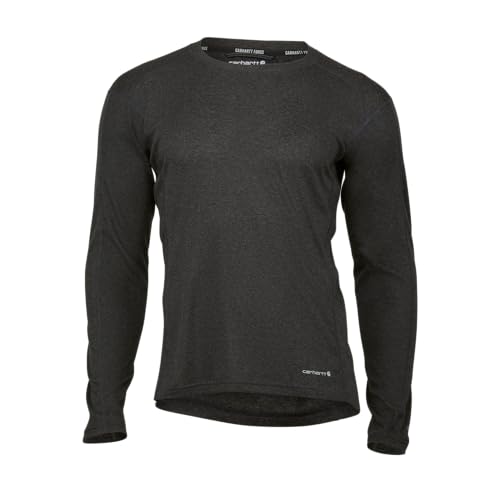
Patagonia Capilene Midweight
A recycled polyester knit dries faster than wool after heavy sweating, which suits aerobic activities like ski touring or winter running better than standing cold exposure. Flat seams reduce friction during repetitive motion.
Pros
- Dries noticeably faster than wool after heavy sweat
- Durable synthetic knit handles frequent washing
- Flat seams reduce friction during repetitive motion
Cons
- Retains odor faster than merino across multiple wears
- Less warm than wool when standing still in the cold

Under Armour ColdGear Base 4.0
A brushed fleece interior traps more warmth than lighter base layers, built for standing cold rather than high-output movement. The heavier weight class works best as a standalone layer in extreme temperatures.
Pros
- Brushed fleece lining adds warmth in extreme cold
- Compression fit layers cleanly under outerwear
- Holds up well to frequent machine washing
Cons
- Too warm for high-output aerobic activity
- Bulkier under tight-fitting outer layers

REI Co-op Lightweight Base Layer
A lightweight synthetic knit layers easily under a midweight or heavyweight piece without adding bulk, suiting variable-temperature days. It wicks moisture adequately without the insulation of thicker layers.
Pros
- Thin profile layers easily under other pieces
- Moisture-wicking blend handles light activity well
- Stretch fabric moves with the body comfortably
Cons
- Not warm enough alone in genuinely cold conditions
- Less odor resistance than merino options

32 Degrees Heat
A tightly woven synthetic fabric traps body heat at a noticeably lower price than wool or branded technical layers. It covers casual cold-weather days without the performance edge of premium fabrics.
Pros
- Lowest cost option in this comparison
- Tight weave retains heat better than basic cotton layers
- Slim fit layers cleanly under jackets
Cons
- Less breathable during sustained high-output activity
- Odor builds up faster than merino fabrics
How they stack up
| # | Model | Fabric | Best for | Score | Price |
|---|---|---|---|---|---|
| 1 | Smartwool Classic Thermal Merino Base Layer | 100% merino wool | Best Overall | 9.3 | Check price |
| 2 | Icebreaker Merino 200 Oasis | 100% merino wool | Best for Multi-Day Odor Resistance | 9.0 | Check price |
| 3 | Helly Hansen Lifa Merino | Lifa synthetic inner, merino outer blend | Best Moisture-Wicking Blend | 8.8 | Check price |
| 4 | Patagonia Capilene Midweight | Recycled polyester knit | Best for Active Aerobic Use | 8.6 | Check price |
| 5 | Under Armour ColdGear Base 4.0 | Polyester with brushed fleece interior | Best for Extreme Cold | 8.4 | Check price |
| 6 | REI Co-op Lightweight Base Layer | Polyester and spandex blend | Best for Layering Versatility | 8.1 | Check price |
| 7 | 32 Degrees Heat | Polyester heat-retention weave | Best Budget Pick | 7.8 | Check price |
Questions worth asking
What is the best base layer fabric for cold weather?
Merino wool, found in the Smartwool Classic Thermal and Icebreaker Merino 200, handles a wider temperature range than synthetics because it stays warm even when damp from sweat.
Do merino wool base layers really resist odor?
Yes, merino fiber structure naturally resists bacteria growth better than synthetic fabrics, letting layers like the Icebreaker Merino 200 Oasis go multiple days without a strong odor.
Is a lightweight or midweight base layer better for skiing?
Midweight layers like the Smartwool Classic Thermal suit most skiing, while lightweight layers like the REI Co-op piece work better layered underneath on milder days.
Can base layers be worn alone without an outer jacket?
Lightweight and midweight base layers work fine alone in mild cool weather, but heavyweight layers like the Under Armour ColdGear Base 4.0 are built to pair with an outer shell in genuinely cold conditions.
How tight should a base layer fit?
A snug, non-restrictive fit against the skin wicks moisture most effectively; base layers that fit loosely, like relaxed merino designs, trade some wicking efficiency for comfort on long wears.
Do synthetic base layers dry faster than wool?
Yes, synthetic fabrics like the Patagonia Capilene dry noticeably faster after heavy sweating than merino wool, which retains more moisture before fully drying.
What weight base layer works for extreme cold temperatures?
Heavyweight layers with fleece lining, such as the Under Armour ColdGear Base 4.0, trap the most warmth for standing in extreme cold rather than active movement.
Can base layers be machine washed?
Most can, though merino layers like the Smartwool Classic Thermal need cold water and gentler cycles, while synthetic layers like the 32 Degrees Heat tolerate standard washing better.
Is merino wool worth the higher price over synthetic options?
For multi-day trips or frequent cold-weather use, merino’s odor resistance and temperature regulation often justify the price; occasional users may get adequate performance from a budget synthetic layer instead.
Final word
The Smartwool Classic Thermal Merino is the strongest overall pick for its balance of warmth, breathability and odor resistance across most cold-weather activities. Anyone needing multi-day odor control on an extended trip should choose the Icebreaker Merino 200 Oasis instead. Casual cold-weather wearers on a budget can still stay warm with the 32 Degrees Heat.
Sierra Daniels
Sierra's background is in landscape design and nursery retail. She focuses on lawn and garden equipment, outdoor furniture and gear durability, weighing published specs against how materials actually hold up outside.


