Baby Oil Options Compared for Massage and Dry Skin
Johnson’s Baby Oil with Aloe Vera and Vitamin E spreads furthest per drop, making it the practical everyday bottle. Burt’s Bees Baby Nourishing Baby Oil is the plant based alternative that absorbs rather than sitting on top. Weleda Calendula Baby Oil covers fragrance sensitive skin.
Johnson’s Baby Oil with Aloe Vera and Vitamin E covers the widest range of jobs, from massage to sealing damp skin after a bath. Burt’s Bees Baby Nourishing Baby Oil suits parents avoiding petroleum derived ingredients. For reactive skin and the shortest label, Weleda Calendula Baby Oil is the safer starting point.
One name covers two different products here, which is why the category confuses people. Refined mineral oil forms a barrier and locks water into skin; plant oils absorb and condition the skin itself. We compared base oils, complete ingredient lists, fragrance presence, absorption speed and bottle design, then weighed what owners report about residue transferring to sleepsuits and cot sheets.
What we recommend

Johnson’s Baby Oil with Aloe Vera and Vitamin E
Mineral oil forms the base, so this spreads further and stays slippery longer than any plant oil on the list. Aloe and vitamin E soften the finish without changing how it behaves. Applied to damp skin straight after a bath, it seals in the water already there, which is where it does its best work.
Pros
- Covers a large area from a small amount
- Slip lasts through a full massage
- Stocked in almost every pharmacy
Cons
- Leaves a sheen rather than absorbing
- Added fragrance rules it out for some babies

Burt’s Bees Baby Nourishing Baby Oil
Apricot kernel and grapeseed oils replace mineral oil here, giving a lighter feel that sinks in instead of sitting on top. Parents switching away from petroleum derived products report this as the easiest swap to make. Because it absorbs, a long massage needs a second application partway through.
Pros
- Plant derived rather than petroleum based
- Absorbs without leaving heavy residue
- Ingredient list fits on one glance
Cons
- Needs reapplying during a long massage
- Seed and kernel oils warrant care with allergies
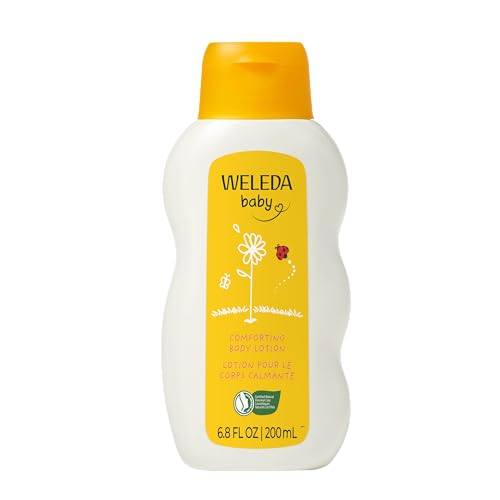
Weleda Calendula Baby Oil
Sesame seed oil carries calendula extract, and a version without added fragrance sits alongside the scented one. Texture runs richer than light seed oils, which is why owners tend to use it on elbows, knees and dry cheeks rather than the whole body. Sesame is a recognised allergen, so patch test before wider use.
Pros
- Unscented option for skin that flares
- Rich enough for stubborn dry areas
- Few ingredients, all identifiable
Cons
- Sesame base matters in allergy families
- Heavier feel than light seed oils

Mustela Baby Oil
Formulated to stay light, this absorbs quickly while still giving enough slip to complete a routine. Its pump top beats a flip cap when one hand is holding a wriggling baby. Warm rooms and babies who dislike anything heavy on the skin suit it best.
Pros
- Light feel that vanishes quickly
- Pump dispenses with one hand
- Formulated specifically for infant skin
Cons
- Less slip than mineral oil over a long session
- Fragranced, so not ideal for reactive skin

Earth Mama Organic Baby Oil
Organic plant oils and calendula make up the whole list, with nothing added for scent. Removing fragrance removes the most common irritant in baby skincare, which is the point of the formula. Its plain bottle is harder to manage one handed than a pump, though it keeps the oil away from light.
Pros
- Very short certified organic list
- No fragrance compounds at all
- Works well for softening cradle cap
Cons
- Bottle is awkward with one hand busy
- Sold in smaller sizes than mainstream brands

Puracy Organic Baby Oil
Light plant oils blend into something that absorbs without leaving a greasy film, dispensed through a pump. Parents who want a plant based bottle for daily use, rather than an occasional treatment, tend to land here. Its lightness works against it on cracked heels or badly chapped cheeks.
Pros
- Absorbs with no greasy afterfeel
- Pump makes portioning simple
- Practical size for daily use
Cons
- Too light for severely dry skin
- Disappears too fast for a long massage

Johnson’s Baby Oil Gel with Shea and Cocoa Butter
Gel consistency is the whole argument for this one: it stays where you put it instead of running down a leg. Shea and cocoa butter give a richer finish suited to rough knees, elbows and chapped cheeks. Spreading it across a whole body takes noticeably longer than pouring liquid oil.
Pros
- Stays put on the area you target
- Rich finish for rough patches
- Far less mess than liquid oil
Cons
- Too thick for a whole body routine
- Leaves a noticeable residue on clothes
What matters most
What is baby oil actually for? Three jobs come up repeatedly: massage, sealing moisture into skin after a bath, and softening cradle cap before a wash. Each favours a different property. Massage wants slip that lasts, so a barrier oil wins. Post bath sealing wants occlusion, applied within a few minutes while skin is still damp. Cradle cap wants something that softens scale without being scrubbed in, which is why light plant oils get used there. One bottle rarely does all three equally well.
Mineral oil vs plant oil: what is the difference for babies? Highly refined mineral oil molecules are too large to pass into skin, so the product stays on top and slows water loss. Plant oils carry fatty acids that penetrate and condition, then oxidise slowly once the bottle is open. Neither is unsafe. Choose a barrier if the goal is locking moisture in or keeping hands gliding, and a plant oil if you want something absorbed and want a petroleum free label.
Which baby oil suits cradle cap and dry patches? Softening works better than scrubbing. Owners commonly apply a light plant oil to the scalp, leave it for a short while, then lift loosened flakes with a soft brush during a wash. Never pick at scale, and stop if the scalp looks red or weeping. For dry elbows, knees and cheeks, a thicker gel stays on target where a liquid oil would run. Persistent cracking or eczema deserves a proper emollient recommended by a health professional rather than a general oil.
How do you avoid oil residue on clothes and bedding? Use less than instinct suggests, since a teaspoon covers more area than most parents expect. Warm it between your palms so it spreads evenly instead of pooling. Give it a minute or two before dressing, and blot anything still sitting on the surface with a soft towel. Mineral oil and the gel version mark fabric most, so schedule those for a bath night rather than a morning change. Plant oils wash out more easily but can leave a stale smell if they oxidise in fabric.
The lineup, side by side
| # | Model | Base | Best for | Score | Price |
|---|---|---|---|---|---|
| 1 | Johnson’s Baby Oil with Aloe Vera and Vitamin E | Mineral oil with aloe and vitamin E | Best overall | 9.4 | Check price |
| 2 | Burt’s Bees Baby Nourishing Baby Oil | Apricot kernel and grapeseed oils | Best plant based | 9.2 | Check price |
| 3 | Weleda Calendula Baby Oil | Sesame seed oil with calendula | Best for sensitive skin | 9.0 | Check price |
| 4 | Mustela Baby Oil | Plant derived oil blend | Best for daily massage | 8.8 | Check price |
| 5 | Earth Mama Organic Baby Oil | Organic plant oils with calendula | Best organic option | 8.5 | Check price |
| 6 | Puracy Organic Baby Oil | Blended plant oils | Best everyday plant oil | 8.3 | Check price |
| 7 | Johnson’s Baby Oil Gel with Shea and Cocoa Butter | Mineral oil gel with shea and cocoa butter | Best for very dry patches | 8.0 | Check price |
Frequently asked questions
Is baby oil safe for newborn skin?
Formulations intended for infants are used from the early weeks, though many parents stick with plain water at first while the skin barrier develops. Premature babies, broken skin and diagnosed conditions all need individual advice from your health visitor or doctor.
Is mineral oil bad for babies?
Cosmetic grade mineral oil is highly refined and has been used in infant products for generations, staying on the surface rather than being absorbed. Preference for plant oils is usually about ingredient philosophy rather than an established safety problem.
Can I use baby oil on cradle cap?
Many parents soften the scales with a small amount of oil, then brush gently during a hair wash. Leave picking alone, and check with a health professional if the scalp looks inflamed or the patches spread beyond the usual pattern.
Does baby oil help dry skin?
It works by slowing water loss, which is why applying it to slightly damp skin after a bath beats applying it to dry skin. Persistent cracking, itching or eczema calls for an emollient recommended by a clinician instead.
How much baby oil should I use?
A teaspoon warmed between the palms covers a surprising area, especially with mineral oil. Excess mostly transfers to clothing and sheets rather than doing anything useful for the skin.
Can baby oil go on the face?
Most parents keep it away from the face and eye area, because oil migrates and irritates eyes easily. Dry cheeks are better handled with a product formulated for facial skin.
Fragranced or fragrance free baby oil: which should I choose?
Fragrance free carries less risk, particularly for newborns and reactive skin, and it changes nothing about how the oil performs. Scent is purely a pleasantness feature added for the adult applying it.
What is the difference between baby oil and baby lotion?
Oil is nearly all lipid and seals the surface, while lotion mixes water with oils and absorbs faster. Lotion suits daytime dressing; oil suits massage and post bath sealing. Households with dry skin often keep both.
How should baby oil be stored?
Keep it capped, at room temperature and out of direct sunlight, since heat and light accelerate oxidation in plant oils. Check the period after opening symbol, and discard any bottle that smells sour or looks cloudy.
Our take
Johnson’s Baby Oil with Aloe Vera and Vitamin E remains the most versatile bottle, simply because nothing spreads as far or holds slip as long. Households avoiding petroleum derived ingredients will be happier with Burt’s Bees Baby Nourishing Baby Oil. When skin reacts to almost everything, the unscented Weleda Calendula Baby Oil keeps the ingredient list as short as this category allows.
Rachel Simmons
Rachel previously worked in child-product retail and brings a practical, detail-first eye to gear reviews, focusing on safety standards, ease of use and the fine print that matters most for new caregivers.